 1800 156 455


Exterior Timber Cladding
Natural Timber Solutions for External & Out-of-Weather Applications
Exterior Timber Cladding Panels
Durable, exterior timber cladding for outdoor environments.
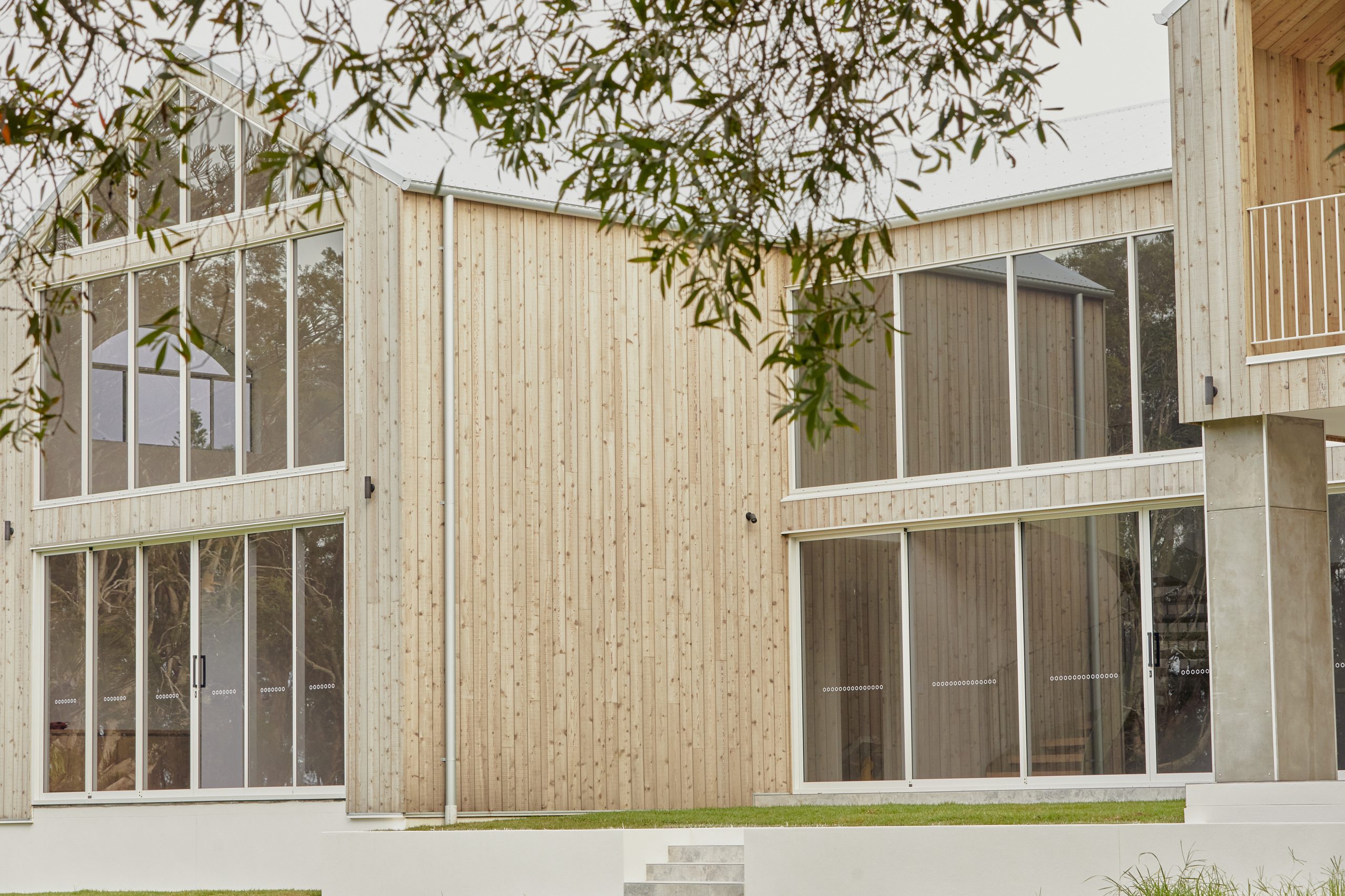
Our exterior timber cladding is designed for both fully exposed and out-of-weather applications. Whether used on facades, soffits, recessed entryways, or covered walkways, Modinex timber brings natural warmth and refined texture to external spaces.
With a broad selection of species, profiles, and coatings—including fire-rated options—our timber is specified across residential, commercial, and civic projects where both appearance and performance matter.
All profiles are supported with local expertise in timber care, coating recommendations, and installation best practices, helping you achieve design consistency and long-term durability in exposed or semi-protected environments.
Exterior Timber Cladding
Filters






External Timber Cladding Materials
The performance characteristics of exterior timber cladding extend beyond visual contribution. Properly specified and installed timber systems provide weather protection, contribute to thermal performance, and age in ways that enhance rather than diminish architectural intent. Timber species selection influences durability, maintenance requirements, and how facades respond to environmental exposure. Modinex sources timber from sustainably managed forests globally, ensuring material quality and responsible procurement practices that support long-term forest regeneration.
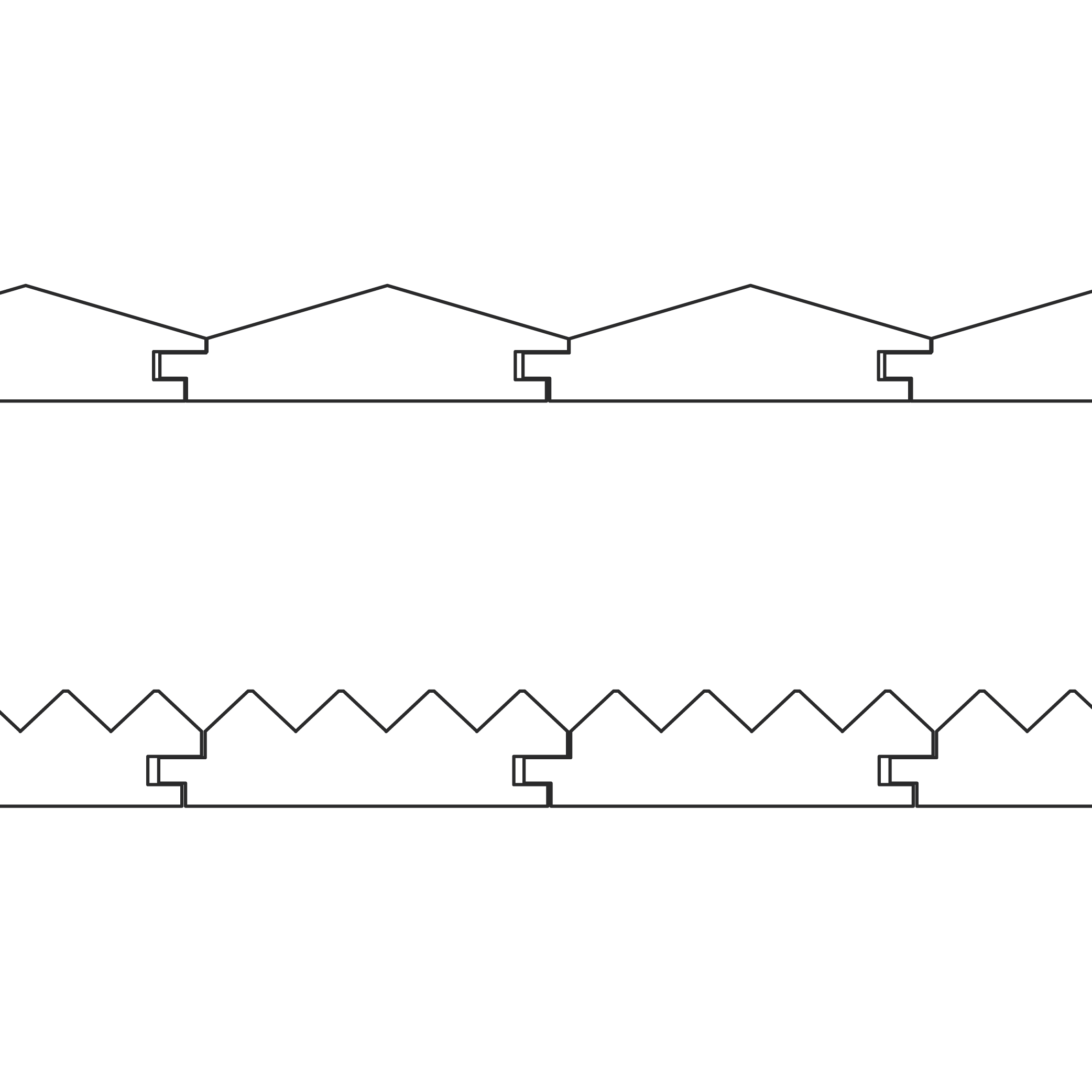
External timber cladding options within the Modinex range address varied architectural expressions and performance requirements. Australian hardwood species deliver exceptional durability and distinctive grain patterns. Western Red Cedar provides natural resistance to decay and dimensional stability.
Surface treatment of timber cladding significantly impacts both appearance and longevity.
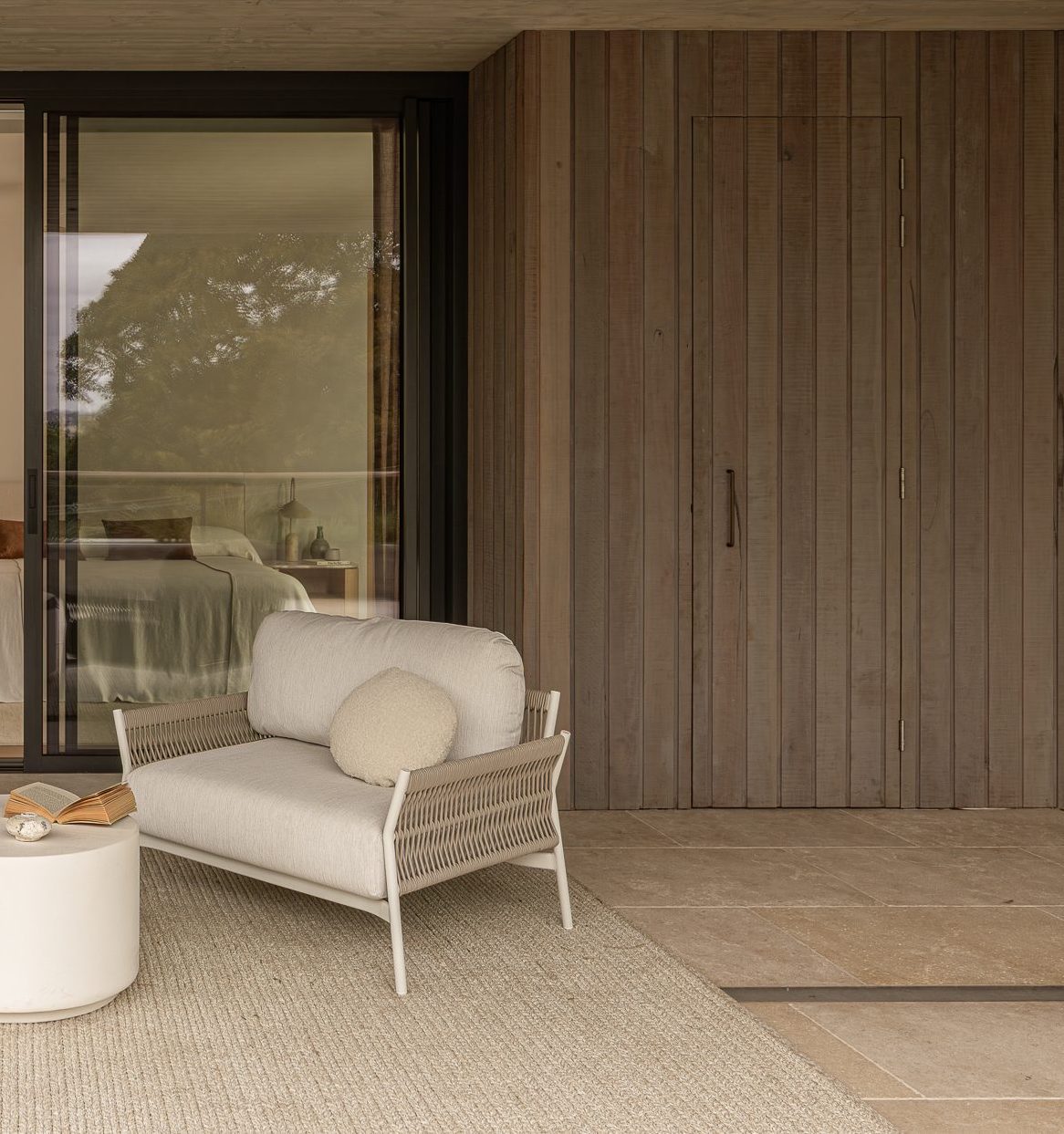
Natural oil finishes enhance grain visibility and allow timber to weather naturally, developing silver-grey patinas that suit coastal and rural contexts. Stained finishes provide colour consistency whilst maintaining visible timber character. Factory-applied treatments ensure even coverage and optimal penetration, supporting specified performance across the facade. Maintenance protocols for exterior timber cladding vary with species selection and finish specification, with detailed guidance provided for all products.
Manufacturing expertise at Modinex supports custom profile development, specific dimension requirements, and volume supply for large-scale projects. Technical consultation includes species selection advice, finish recommendation, compliance documentation, and installation support. Whether specifying complete building envelope systems in external timber cladding or targeted feature applications, architects have access to material knowledge and manufacturing capability throughout project delivery.


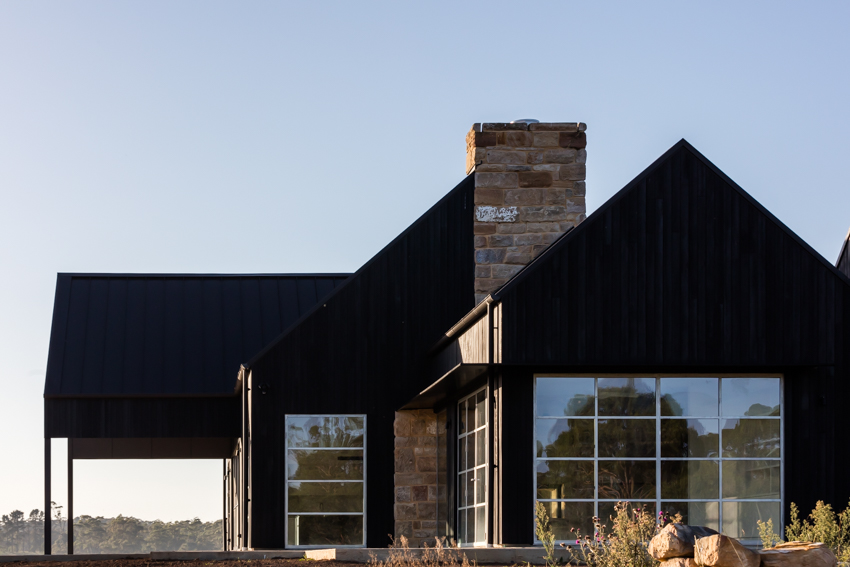
View Other Materials
View all

Durability and design intelligence converge in external cladding systems that respond to Australia’s extreme conditions. From bushfire zones to salt-laden coastal sites, the right cladding selection ensures buildings withstand environmental stresses whilst maintaining visual integrity and architectural presence for generations.

Efficiency meets architectural expression through external wall panels that transform project timelines without sacrificing design quality. These engineered systems deliver repeatable precision across expansive facades, creating uniform surfaces that celebrate material honesty whilst meeting demanding construction schedules and budget parameters.
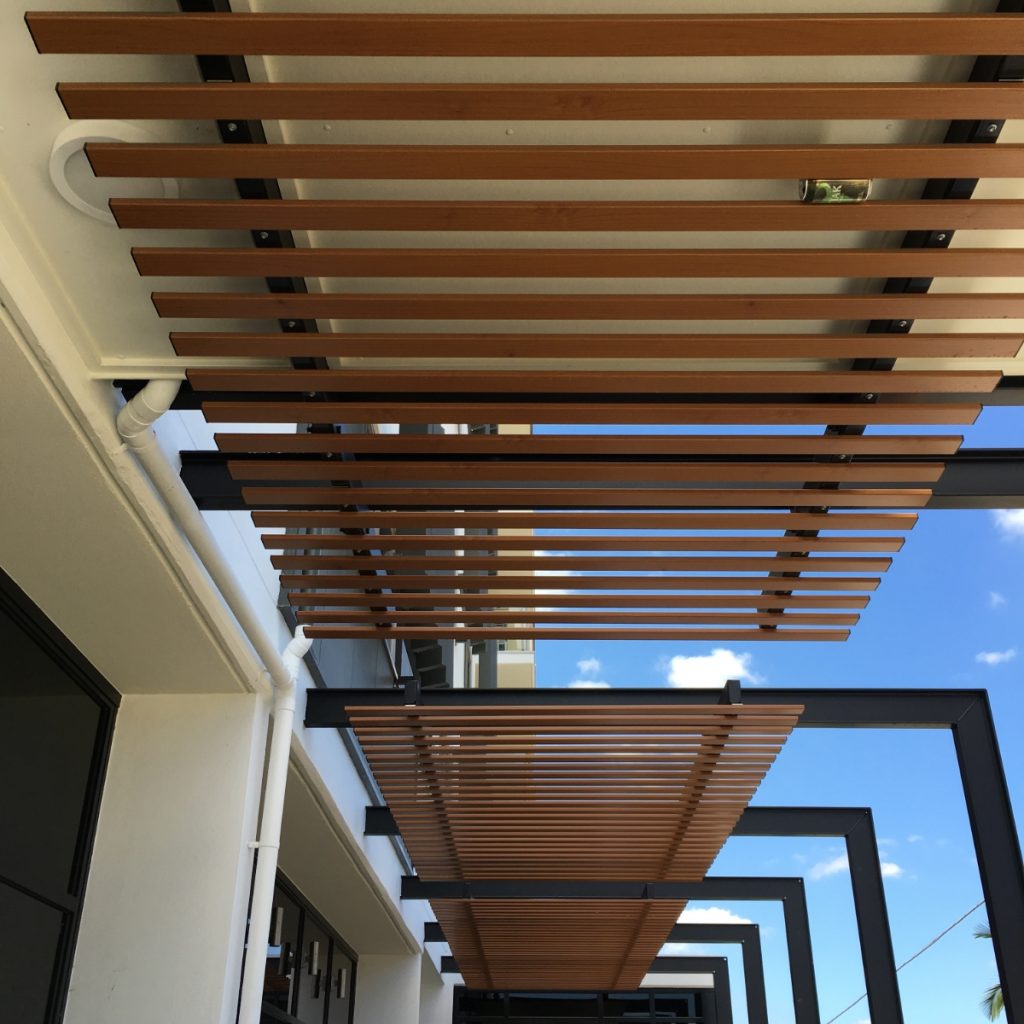
Achieve timber’s visual warmth without ongoing maintenance demands through aluminium timber look cladding that deceives even discerning eyes. Advanced powder coating technology replicates authentic grain patterns and natural tones, delivering the biophilic appeal designers seek with aluminium’s superior weather resistance and dimensional stability.
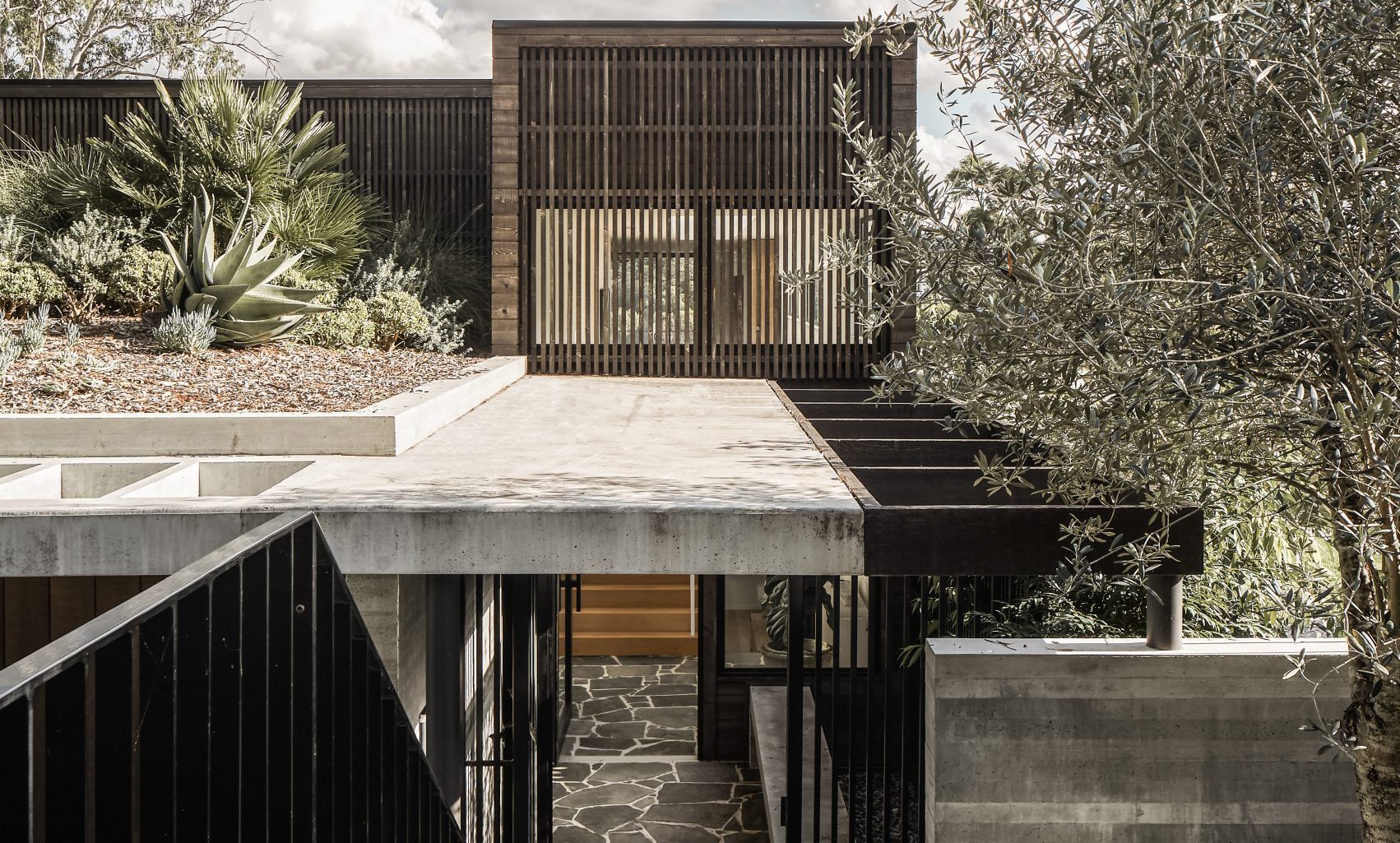
Exterior wall cladding panels accelerate construction whilst delivering architectural coherence across expansive facades. These engineered solutions minimise joints and installation complexity, creating clean building envelopes that balance material authenticity with the practical realities of contemporary construction timelines.