 1800 156 455


Composite Decking
Filters


MILLBOARD & TRACTIO DECKING
Durable, timber-look decking solutions.
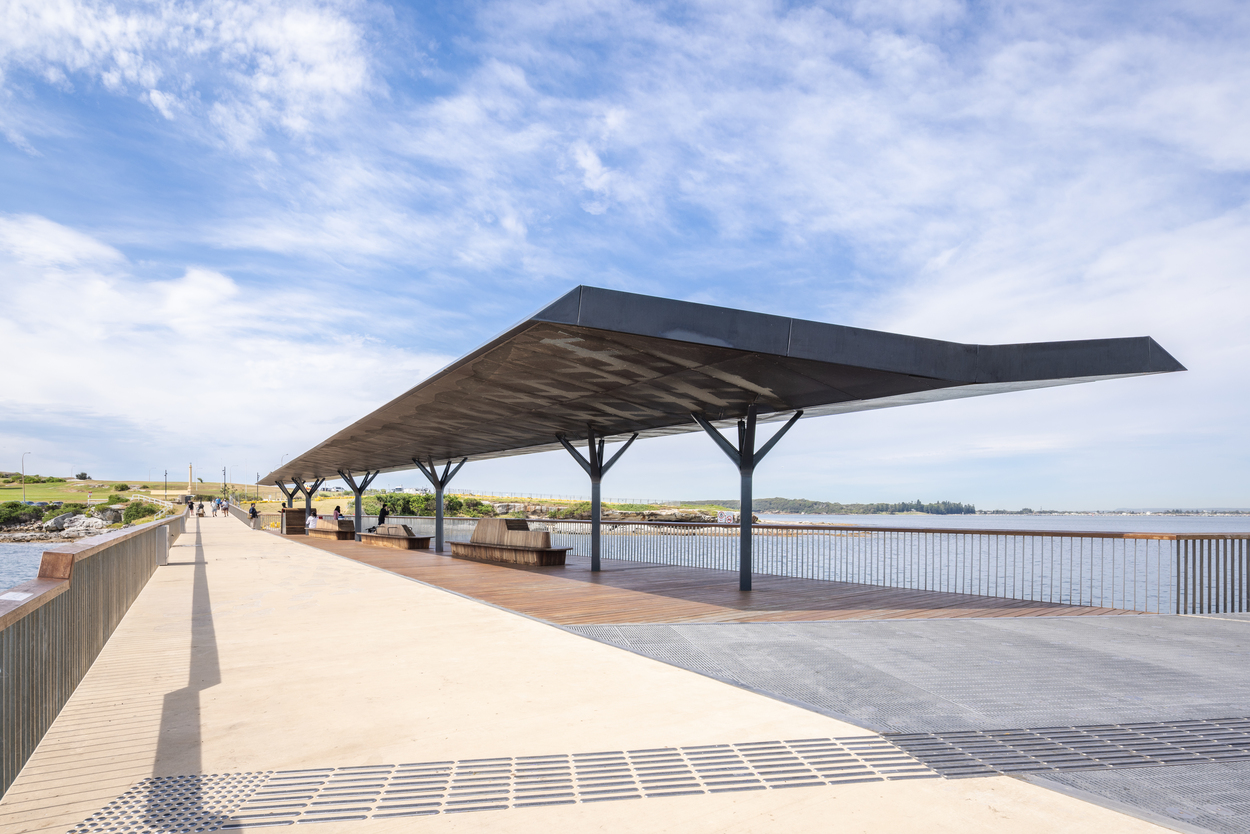


Composite decking is a premium alternative to timber, and is manmade using wood fibres and plastics combined with a bonding agent. Composite decking is made from a mixture of wood fibre, plastic, and some type of binding agent. When these ingredients are put together they are able to form a material that is denser, stronger, and heavier than wood alone. It is formulated with innovative materials and techniques that promote longevity and durability.
Composite decking is a great option for heavy traffic areas or harsh environments. Composite timber-look products require next to no maintenance, are strong and durable, and have the same visual aesthetics as natural wood. Learn more about the benefits of composite decking when considering it for your next project. Composite decking is also sturdy and will stand the test of time as it is naturally resistant to termites, rot, decay, mildew, and mould. It is also the best option for laying in coastal areas near salt water or around chlorine pools as they won’t cup, warp, or splinter. The decreased risk of splintering also makes it ideal for families with small children.
Composite cladding is a better choice than wood in some applications, and has been designed to perform more favourably in particular environments. It performs better over a longer period of time when used in wet or unsheltered areas, heavy traffic areas and harsh environments.
Composite decking is more expensive than timber decking in the initial application. Despite the higher price point, composite materials are considered more cost effective long term and the need for maintenance, repairs or renovations is significantly reduced.
Composite decking is water resistant. The wood fibres are encapsulated, which eradicates the chance of moisture ingress. As a result, the decking is not under threat by damage caused from constant exposure to wet environments.
The weather resistance, durability and strength of composite are features that make this timber alternative a popular outdoor choice. It is mostly used as a natural timber alternative in external areas that are exposed to harsh weather conditions. This being said, interior application is becoming increasingly popular. Composite options like Valchromat are ideal for interior applications including cladding, furniture, ceilings, table tops, commercial signage and fit-outs.
There is no need to paint or stain composite decking, which makes installation far more efficient and cost effective. Composite is designed with consistent colour toning, providing a smooth and wood-like appearance without the need for staining. Each Urbanline composite option is available in a selection of colours.
Some composite decking options are treated using Strandex technology, which encases the wood fibres with a high-density polyethylene. This coating protects against UV and moisture damage, which usually results in fading. Using a composite deck sealer can also help to protect your deck from fading, oils and stains.
Composite’s scratch resistance relies heavily on its finish. With general wear and tear, composite can be scratched in high traffic areas. While composite decking requires far less maintenance than timber decking, it is still susceptible to scratches. Composites constructed with high-density polyethylene are more durable and have a higher resistance to scratching.
Composite is composed of wood fibres and plastic, which results in a dense and incredibly durable material. Therefore, composite will not warp or split like natural timber. Wood generally warps when it is exposed to moisture and it dries unevenly. Compound timber is water resistant, allowing no opportunity for moisture ingress that can lead to warping.
Urbanline composite decking is guaranteed not to rot or split when installed correctly. It offers excellent pest resistance, and is mostly unaffected by termites and fungal decay.
Like any building material, composite timber will be hot underfoot after constant sun exposure. However, composite timber does not respond to heat in the way natural timber does, and it will not splinter or warp. There are several composite options that respond well to extreme heat including the Euro Selekta Clad and Latitudes Duro Decking, which offer bushfire resistance.
Some composite timber options including Euro Selekta Clad, Latitudes Duro and Marine Decking are constructed with bushfire resistance and compliant with Australian fire ratings.
As with all materials exposed to direct sunlight, composite can heat up. However, our bushfire resistant options are certified for use in bushfire prone areas throughout Australia.
The weight of composite timber depends on the specific formulation of wood fibres and plastic. It is, however, significantly lighter than wood. Composite options like the Tractio Decking solution, are made up of polypropylene calcium carbonate. These materials create a powerful, strong and very lightweight timber alternative.
Urbanline composite decking provides high slip resistance and grip in wet and dry conditions. Our composite decking is tested and compliant with Australian and New Zealand standards. Composite timber is a great choice for pool and marine decking due to its non-slip properties.
Composite materials are non-toxic and eco-friendly. They are composed using recycled materials, and contribute to the decrease in deforestation.
Composite timber is manmade using wood fibres, plastics and a small amount of bonding agents. The wood fibres and plastic used in the process are often recycled materials. However, given that composite timber is constructed with a combination of wood and plastic, it makes it very difficult to separate the compounds to recycle.
Start your project
Get a quote
<br /> Tell us about your project and our team will help you choose the right product, with samples, specification data and pricing.