 1800 156 455
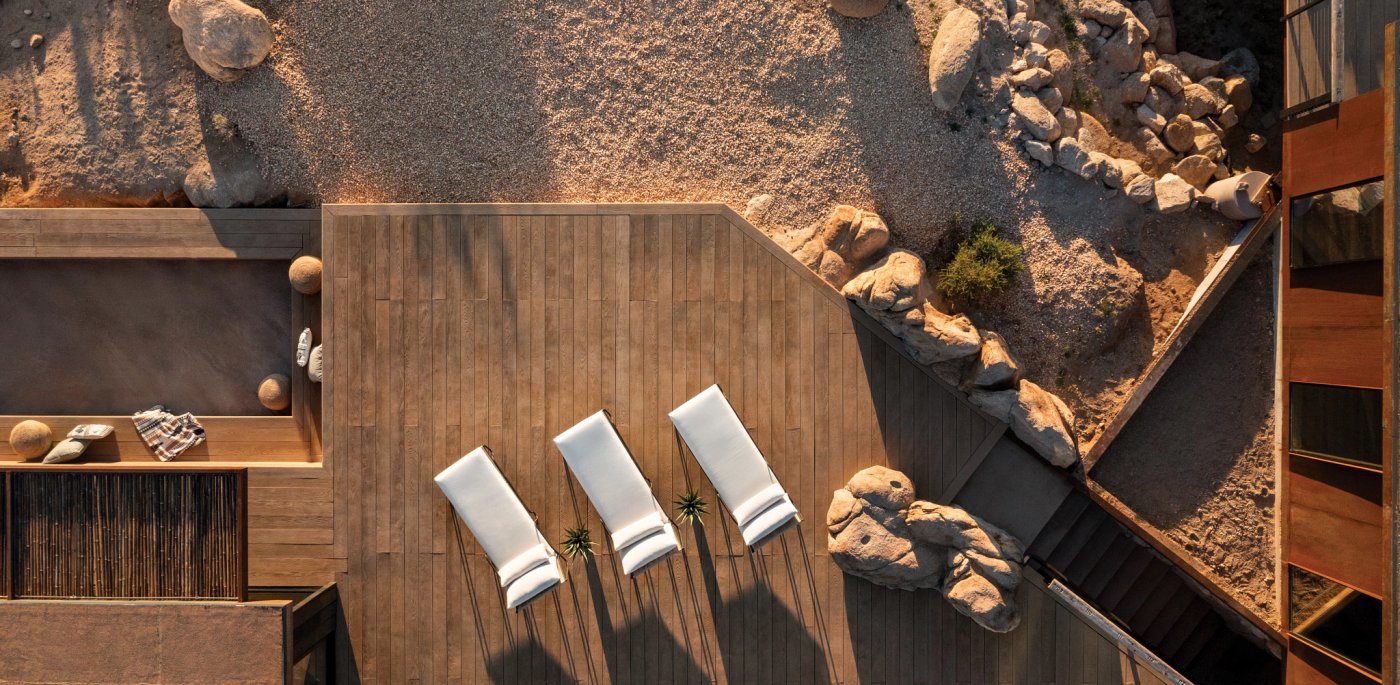
Composite vs Timber Decking
The differences between composite decking and traditional timber decking go far beyond appearance.
Timber decking offers natural beauty and a renewable option with a low carbon footprint.
Composite decking, on the other hand, blends recycled wood fibres with recycled plastics, creating a material tough enough to handle Australia’s extreme weather.
It stands up to dampness, termites, UV rays, and rot better than natural timber. Both materials bring unique advantages that set them apart.

Understanding Decking Materials
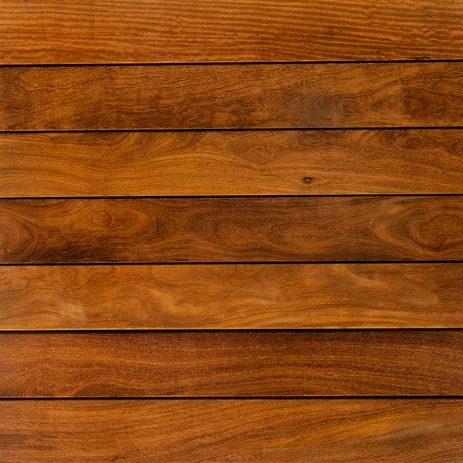
Timber decking showcases nature’s craftsmanship with unique grain patterns and warm textures underfoot. There are many timber species to choose from. Spotted Gum features rich, varied tones, while Blackbutt offers creamy blonde to honey hues that brighten outdoor spaces. Over time, untreated timber weathers into a silvery grey patina, giving decks a rustic, coastal look. Regular maintenance is needed to preserve colour and protect against the elements.
Composite decking tells a different story. Made from around 60% recycled wood fibres and 40% recycled plastics, it delivers a consistent, low-maintenance finish that stays looking new for longer. It does not splinter, warp, or require staining, and it retains its colour despite harsh sun exposure.
Both materials perform well outdoors, but they behave differently over time. Timber breaks down naturally and has strong environmental credentials. However, it needs periodic treatments to avoid damage from moisture, fungi, and pests. Composite decking resists these problems thanks to its plastic content, offering a hard-wearing surface that needs little attention.
Detailed Comparison Criteria
Choosing the right decking material involves more than just comparing looks. Consider the pros and cons of timber and composite decking across several key factors.
Installation and Versatility
Durability and Weather Resistance
Aesthetic Appeal
Maintenance Requirements
Environmental Impact
Australian Standards and Compliance
Decking in Australia must meet strict standards for safety, durability, and fire performance. The National Construction Code (NCC) and relevant Australian Standards provide guidelines for proper installation, including structural support, ventilation, and fixings.
For bushfire-prone regions, decking products must meet BAL ratings to minimise fire risk. Both composite and timber options are available with treatments and ratings suitable for these conditions. Always check compliance before selecting your decking material.
Case Studies and Applications
Australian projects highlight how both timber and composite decking perform beautifully across a wide range of settings. Timber decking enhances natural surroundings with its authentic character, making it ideal for coastal retreats, heritage homes, and spaces where natural aesthetics matter. Composite decking shines in high-traffic areas, pool surrounds, and contemporary designs that demand low maintenance.
Modinex offers a premium range of both timber and composite decking products, designed to perform beautifully in Australian conditions. From sustainably sourced hardwoods to advanced composites that require minimal upkeep, our decking solutions deliver stunning results with lasting performance.
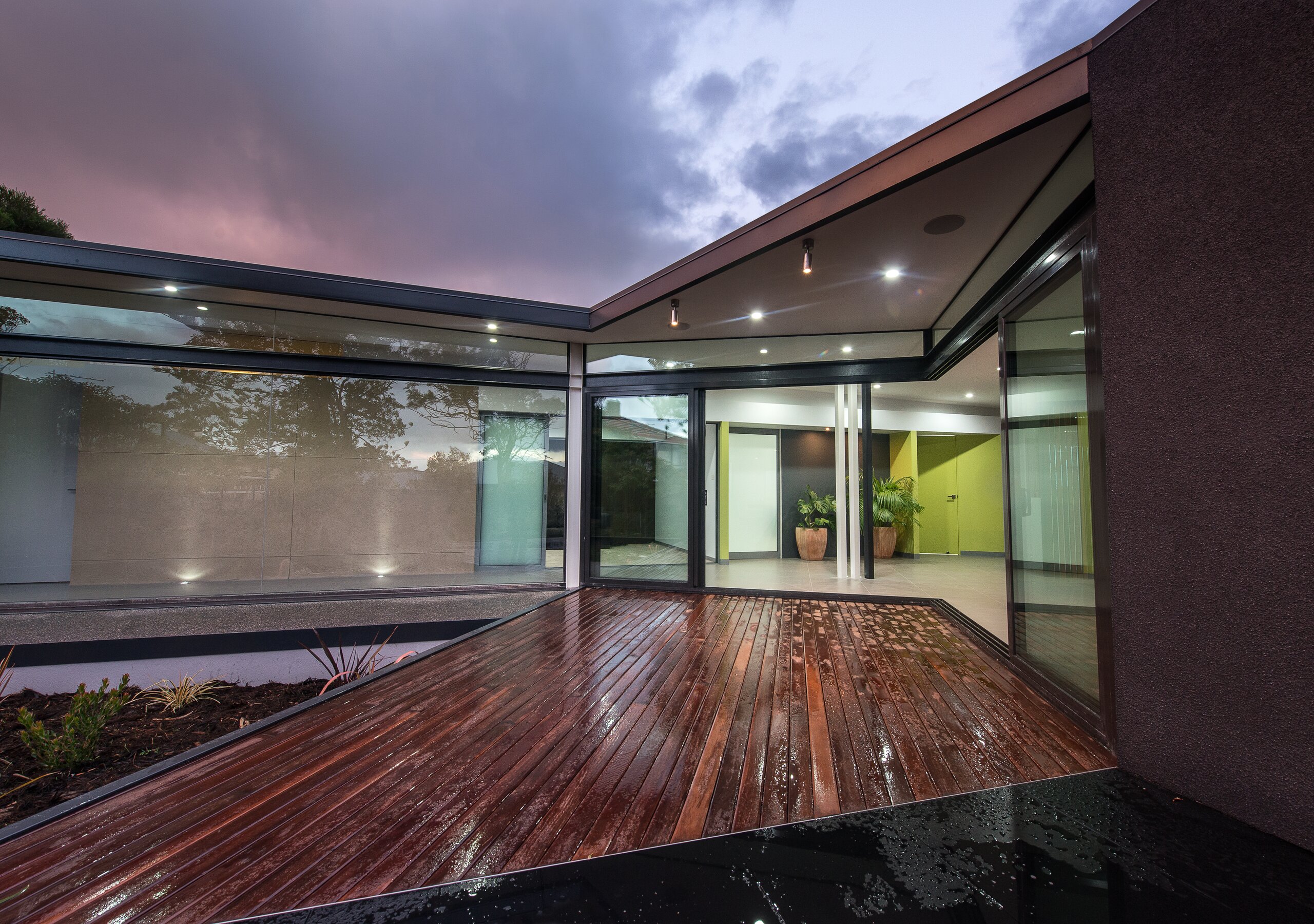
One standout example is the La Belle residence in Wamberal, NSW, where Modinex decking and cladding products were used to create a seamless blend of natural warmth and contemporary design. Spotted Gum timber decking enhances the house and pool surrounds with rich character, while Alu Selekta cladding delivers clean lines and a concealed garage door for a refined finish. The result is a home that balances durability, low-maintenance performance, and timeless aesthetic appeal.
Comparison Table
| Characteristic | Timber Decking | Composite Decking |
|---|---|---|
| Material Composition | 100% natural wood | 60% recycled wood fibres, 40% recycled plastics |
| Weather Resistance | Can warp, crack, or rot without care | Resists moisture, UV rays, and pests effectively |
| Maintenance | Needs regular sealing, staining, and oiling | Low maintenance, only needs occasional cleaning |
| Installation | Requires precise installation, can splinter | Easy to install with hidden fasteners, no splintering |
| Appearance | Unique natural grains, ages beautifully | Consistent colour, many modern shades available |
| Durability | Long-lasting with proper care | Highly resistant to wear and weathering |
| Environmental Impact | Renewable, biodegradable, stores carbon | Uses recycled materials, not biodegradable |
| Fire Safety | BAL-rated hardwoods available with treatment | Many options meet BAL ratings |
| Cost Over Time | Lower upfront cost but higher maintenance costs | Higher upfront cost, lower lifetime maintenance |
Expert Recommendations
Your choice between timber and composite decking depends on your priorities. If you love the authentic look and feel of natural wood and are happy to maintain it,
timber decking remains a fantastic option. If you prefer minimal maintenance and long-term durability, composite decking offers a practical solution.
Consider your budget, location, desired aesthetic, and how much upkeep you’re willing to do. Both materials can deliver stunning, long-lasting decks when chosen and installed correctly.
Frequently Asked Questions
Is composite decking better than timber decking?
Composite decking offers excellent resistance to moisture, pests, and fading, with very low maintenance needs.
Timber decking provides natural beauty and sustainability. The best choice depends on whether you value authenticity or convenience.
How long does composite decking last in Australia?
Composite decking can last 25–30 years or more with minimal care, even under Australia’s harsh climate.
Is composite decking worth the investment?
Yes. Although it costs more upfront, composite decking pays off with lower maintenance, fewer repairs, and a consistently fresh appearance.
How does timber decking perform near the coast?
Timber decking performs beautifully in coastal settings with the right species and regular maintenance. Hardwoods like Spotted Gum and Blackbutt resist weathering better than softwoods.
What maintenance does timber decking require?
You’ll need to clean, sand, and re-oil or re-stain timber decking periodically to prevent weather damage and maintain its colour.
Can composite decking be used in bushfire-prone areas?
Yes. Many composite decking products meet BAL ratings for fire performance. Always confirm the product’s rating for your site conditions.
Article By Joel Leitch
| 11 April 2025
Joel Leitch
Project Consultant
Joel is an integral team member of NSW projects division with over a decade as a consultant to architects and builders. With extensive experience as a head of projects, Joel Leitch combines deep knowledge of natural timber, aluminium, and concrete to provide innovative and inspiring design solutions.