 1800 156 455
What is Spotted Gum Used For?
What is Spotted Gum Used For?
This versatile timber works beautifully for everything from elegant flooring to bushfire-resistant building materials.
It can last an impressive 50-100 years without any treatment, naturally fights off termites, and resists bushfires in areas up to Bushfire Attack Level (BAL) 29. Its reputation speaks for itself, but to truly understand why Spotted Gum continues to top the list for high-performance timber, we need to take a closer look at what’s going on beneath the surface.
What is Spotted Gum?
These impressive trees grow 45-60 metres tall in their natural habitat. They develop straight, slender trunks with a lignotuber (a protective swelling at the base). “Old Blotchy,” the oldest known Spotted Gum near Batemans Bay in New South Wales, stands about 500 years old.
The tree’s natural habitat stretches along Australia’s east coast. You’ll often find dense, pure stands of these trees in open forests, where they thrive in moderately infertile soil.
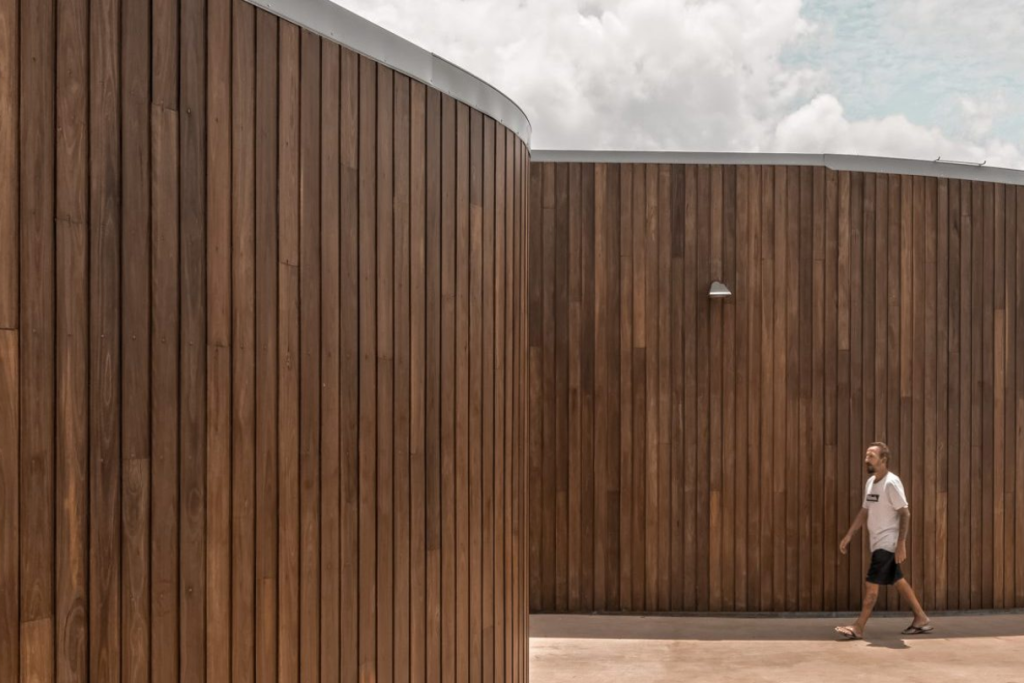
Spotted Gum’s timber has distinct features that make it special. The heartwood shows light brown to deep red-brown colours, while the sapwood appears white to light brown. The timber has a moderately coarse, uneven texture and interlocked grain. Some pieces display an attractive fiddleback pattern due to their wavy grain.
The timber’s natural greasiness helps with machining and boring. This feature, combined with its strength and durability, makes Spotted Gum one of Australia’s most valuable native hardwoods for structural and decorative uses.
Key Properties of Spotted Gum
Spotted Gum’s remarkable physical and mechanical properties establish it as one of Australia’s premier hardwood species. As timber specialists, we regularly recommend Spotted Gum for projects requiring exceptional performance characteristics.
– Exceptionally Dense Hardwood: With a seasoned density of 990–1010 kg/m³, Spotted Gum is significantly heavier than common timbers like Douglas Fir and Teak, offering superior durability and performance.
– High Structural Strength: Classified in strength groups S2 (unseasoned) and SD2 (seasoned), it achieves stress grades up to F34, making it a top choice for demanding structural applications.
– Very High Hardness Rating: Its Janka hardness rating of 8.8–11 kN places it in the highest category for timber hardness, ensuring resistance to wear and dents in high-traffic environments.
– Outstanding Mechanical Properties: Boasts a modulus of rupture of 141.8 MPa and an elastic modulus of 19.77 GPa, offering excellent resistance to bending and deformation.
– Excellent Dimensional Stability: Controlled shrinkage minimises warping and movement as humidity changes.
– Superior Joint Performance: Excels in joint strength, with ratings of J1 (unseasoned) and JD1 (seasoned), making it ideal for load-bearing frameworks.
– Bushfire-Resistant Timber: Suitable for BAL 12.5, 19, and 29 zones, and does not require additional fire-retardant treatment when boards are 18mm thick or more.
– Naturally Termite Resistant: Offers built-in protection against termite attack, reducing the need for chemical treatments in exposed applications.
Primary Applications of Spotted Gum
Spotted Wood really comes into its own inside homes and buildings. Its Janka hardness rating of 11kN makes it substantially tougher than Jarrah (8.5kN) and Blackbutt (9.1kN), which helps it handle heavy foot traffic as flooring.
Indoor Applications
The wood’s wavy grain creates beautiful patterns that enhance:
– Fine furniture and custom cabinetry
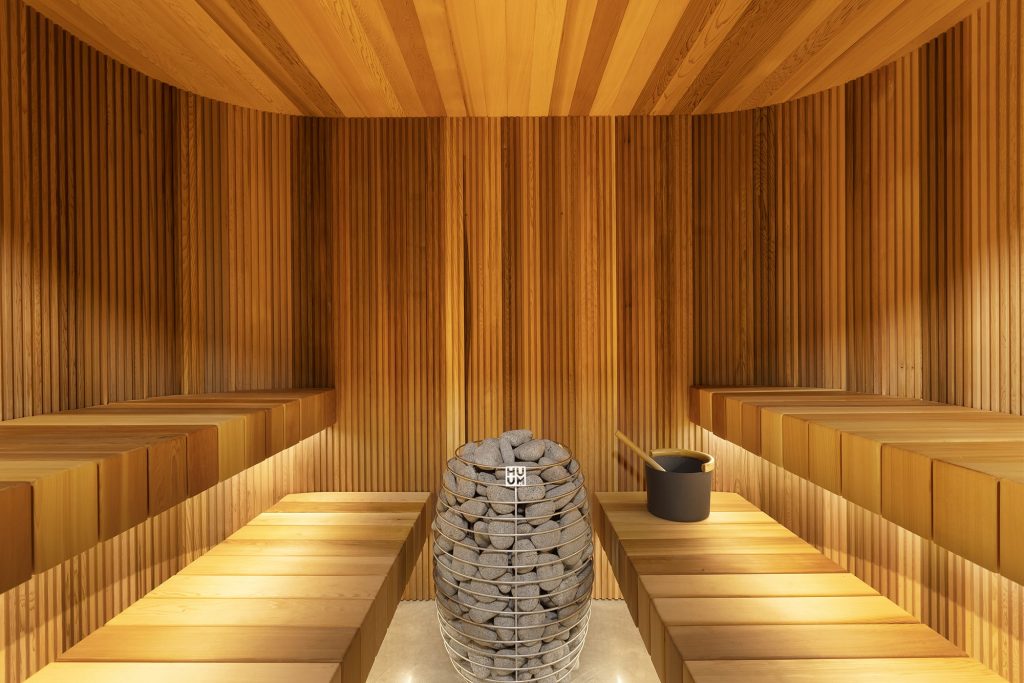
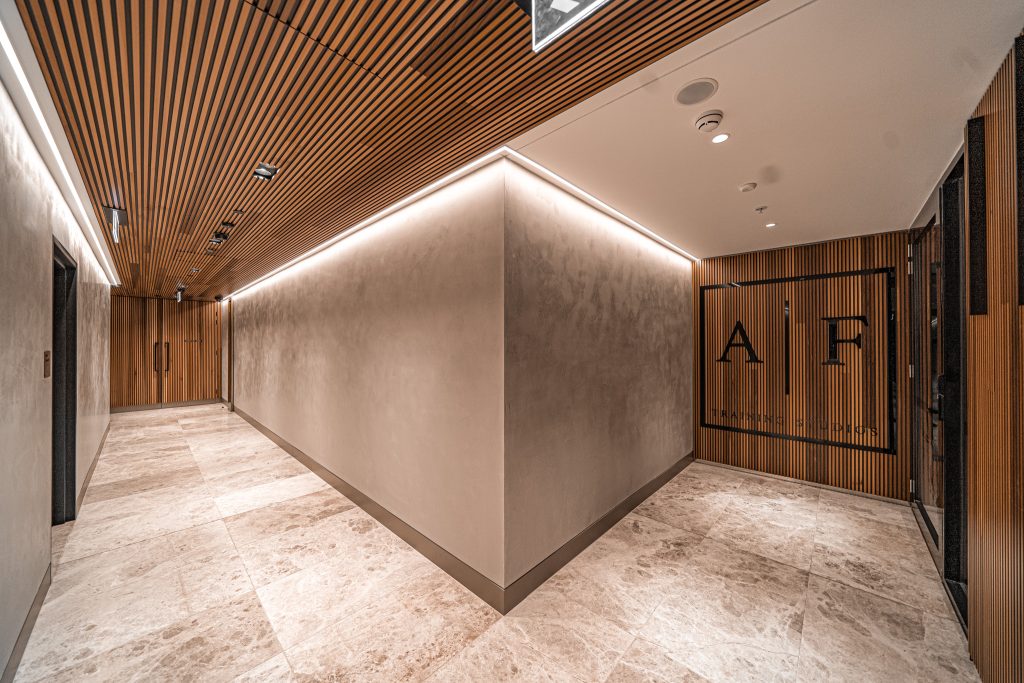
– Parquetry and wall panels
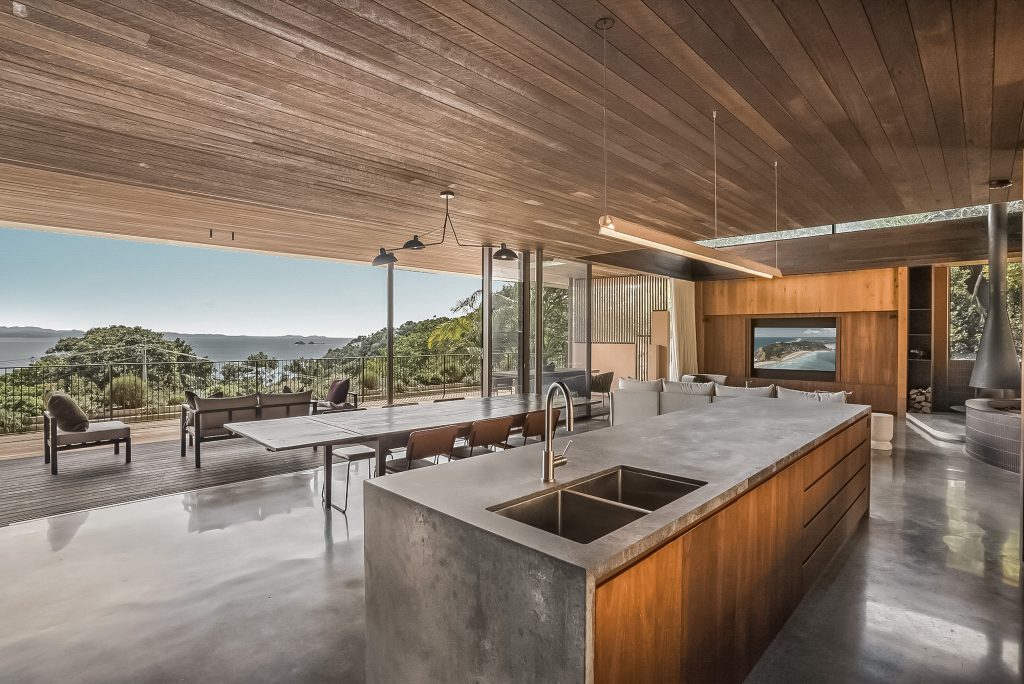
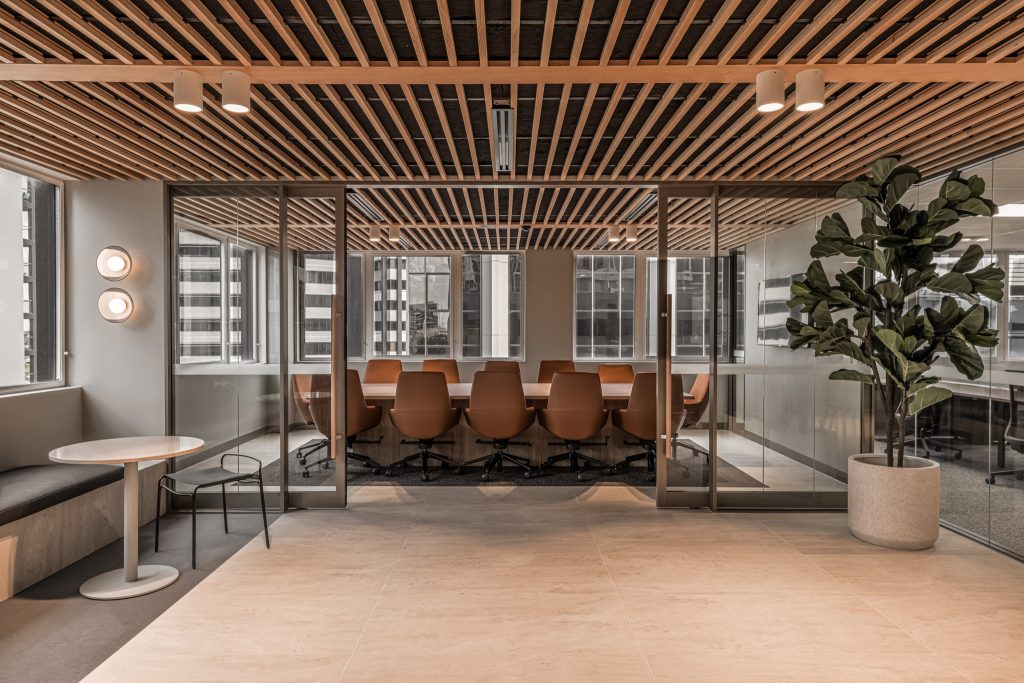
– Ceiling features and interior joinery
– Window frames and architectural details
Outdoor Applications
The wood’s Class 1 above-ground durability rating makes it an excellent choice for external projects. Many homeowners choose it for decking because it resists moisture, termites, and fire while creating stunning outdoor spaces.
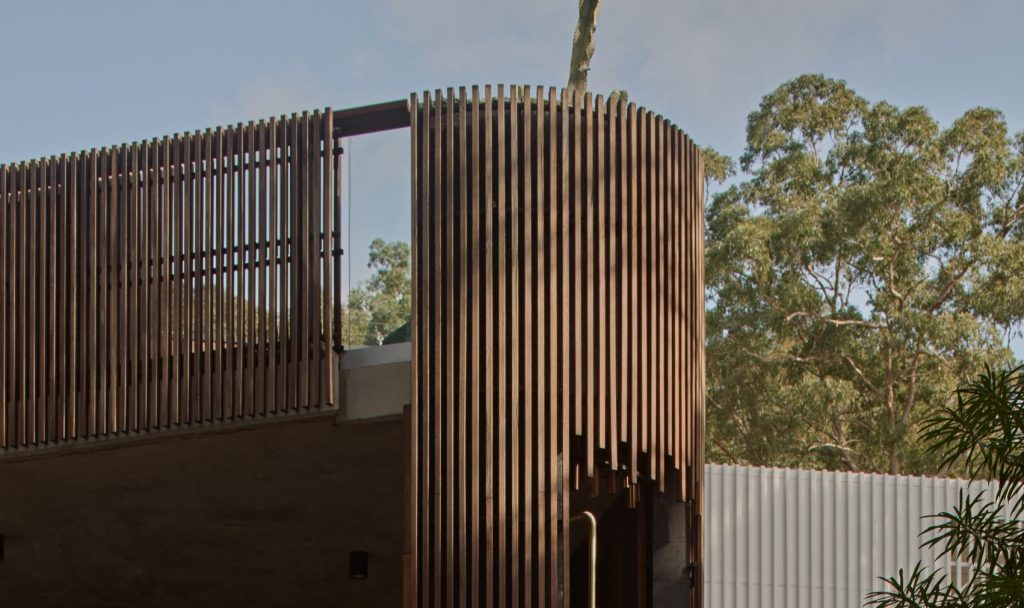
– External cladding and weatherboards
– Pergolas, retaining walls and landscape features
– Fences and outdoor furniture
Structural Applications
The timber’s natural termite resistance adds long-term protection, especially in regions prone to pest activity. Its dimensional stability and performance under stress also make it an ideal choice for structural use where longevity and safety are key priorities.
Advantages of Spotted Gum
– Impact and wear resistance: Its extreme hardness makes it ideal for high-traffic surfaces like decks and floors that endure frequent use and footfall.
– Low maintenance needs: Its natural resistance to pests, decay and fire means fewer treatments and less upkeep over time.
– Highly workable despite density: Natural greasiness allows for smooth machining and cleaner finishes, reducing labour costs and tooling wear.
– Finishes well with coatings: Accepts stains, oils and paints evenly and cleanly, especially thanks to lower tannin content.
– Less staining on adjacent surfaces: The low tannin content also means reduced risk of tannin leach staining rendered walls, bricks and other nearby materials.
– Fire-zone compliance: Its natural compliance with BAL ratings means no added cost for treatments in bushfire-prone regions.
– Sustainable and local: Sourced from Australian plantations or forests with strong environmental standards, it’s a lower-carbon, eco-friendly material choice.
Challenges and Considerations
– Workability issues: Its exceptional hardness makes it difficult to work with. Sharp, hardened cutting tools are essential, as standard blades and drill bits dull quickly. Decking boards often require pre-drilling.
– Limited availability: Large Spotted Gum trees suitable for milling are harder to source compared to other Australian hardwoods like Blackbutt. Limited supply and high demand contribute to higher prices.
– Heavy weight: Weighing over 1,000 kg/m³, Spotted Gum is dense and difficult to handle, especially for large-scale builds or installations.
– Inconsistent colour: Each tree has unique colour variations, which can make it challenging to achieve a consistent look in projects that require uniformity.
– Surface cracking and moisture issues: Without proper end grain sealing, small surface cracks may form due to weather exposure.
Spotted Gum Compared to Other Australian Hardwoods
Understanding Spotted Gum’s performance in comparison to other Australian hardwoods helps you make informed decisions for your next project.
Spotted Gum boasts an impressive Janka hardness rating of 11 kN. This rating puts it ahead of many popular alternatives. Ironbark leads the pack at 14 kN, while Blackbutt (9.1 kN), Jarrah (8.5 kN), and Tallowwood (8.6 kN) lag behind. These characteristics make Spotted Gum an excellent choice for high-traffic flooring.
Both Spotted Gum and Blackbutt share Class 1 above-ground durability ratings. Jarrah usually achieves Class 2. Jarrah’s performance drops to Class 3 at ground level, which makes Spotted Gum a better option for external structures that contact the ground.
Each hardwood’s appearance tells a different story. Blackbutt maintains consistent pale cream to light brown shades. Spotted Gum displays rich variations from pale greys to chocolate browns. Jarrah’s deep reddish-burgundy colours mature into rich mahogany tones under sun exposure.
Different species need varying levels of care. Blackbutt proves easy to maintain with regular sweeping and hoovering. Spotted Gum needs more attention and regular oiling and sealing to keep its beauty. Its lower tannin content reduces the risk of staining compared to most Australian eucalypts.
Cost often drives timber choices. Spotted Gum costs more than Blackbutt. Many experts believe this higher price reflects Spotted Gum’s versatility and superior performance.
Both Blackbutt and Spotted Gum serve as “bushfire-resisting timbers” according to Australian Standard AS 3959-2009. This classification gives them a vital safety advantage in bushfire-prone areas.
es it substantially tougher than Jarrah (8.5kN) and Blackbutt (9.1kN), which helps it handle heavy foot traffic as flooring.
Maintenance and Care Guide
Your indoor timber flooring needs regular sweeping and vacuuming to prevent surface scratches. A slightly damp microfiber mop with pH-neutral cleaners works best for deeper cleaning. Steam mops should never be used as they force too much moisture into the timber. Harsh chemicals, such as bleach, ammonia, methylated spirits, waxes, or oils, can damage the protective coating and should be avoided.
Spotted Gum’s outdoor applications need extra care:
– Clean surfaces with warm water, mild detergent and a soft bristle broom
– Clean water works best for rinsing (avoid high-pressure cleaners for routine cleaning)
– Look for signs of wear in high-traffic areas
– Quality decking oil is better than varnish because it’s easier to maintain
New Spotted Gum decking needs special attention. Let the timber weather naturally for 6-8 weeks or use a tannin and oil remover to clear surface tannins before the original coating. The timber must be completely clean and dry before oiling.
– Clean the surface with a timber cleaner
– Oxalic acid-based cleaners work best for stubborn stains
– Oil the surface when temperatures range between 15-25°C
– Let freshly oiled surfaces cure for seven days before placing furniture
Good ventilation around decking boards (5-6mm spacing) and keeping them away from direct soil or grass contact will prevent rot. These simple steps will help your Spotted Gum timber last longer.
Want to Use Spotted Gum for Your Next Project? Contact Modinex Today
With its rich colour, impressive durability and proven structural performance, Spotted Gum is one of Australia’s most sought-after hardwoods. Whether you’re building a home, designing a commercial space or specifying materials for a large-scale project, this versatile timber offers a natural solution that delivers on strength and style.
Contact the team at Modinex to discover how Spotted Gum can enhance your next project.
What are the primary uses of Spotted Gum?
Spotted Gum is a versatile hardwood used in a wide range of applications. It’s commonly used for outdoor decking, structural beams, flooring, furniture, and even boat building. Its durability and strength make it ideal for heavy-duty construction projects like wharves and bridges, while its attractive grain pattern makes it popular for decorative indoor applications.
How does Spotted Gum compare to other Australian hardwoods?
Spotted Gum is one of the hardest Australian hardwoods, with a Janka hardness rating of 11 kN. It outperforms many popular alternatives like Blackbutt and Jarrah in terms of hardness and durability. Spotted Gum also offers excellent fire resistance and a unique aesthetic appeal with its varied colour palette ranging from pale greys to deep chocolate browns.
What is the durability rating of Spotted Gum?
Spotted Gum has a Class 1 durability rating for above-ground applications, which means it can last over 40 years without treatment. For in-ground use, it has a Class 2 rating, offering a lifespan of 15–25 years. This exceptional durability, combined with its natural resistance to termites and fire, makes it an excellent choice for both indoor and outdoor applications.
Are there any challenges when working with Spotted Gum?
How should Spotted Gum be maintained?
Article By Sophie Rodgers | 9 May 2025

Sophie Rodgers
Chief Marketing Officer
Sophie joined Modinex in 2024, bringing more than a decade of experience in the construction industry, with a particular focus on architectural specification development. Her deep understanding of the needs and challenges faced by architects, designers, and builders when selecting premium building materials shapes Modinex’s strategic approach to marketing and brand positioning. Sophie leads all aspects of the Modinex brand with a focus on communication, clarity, and connection.
