 1800 156 455
What is Timber Leaching and How Can it Be Prevented
Why Does Timber Leach and How Can It Be Prevented
Natural timber is used in design for many sustainable reasons.
However, it is important to understand some timber do leach tannins.
Timber can leach due to several reasons, which are primarily
related to its natural properties and environmental exposure.
Here’s why timber leach.
Natural Extractive
Tannins and Resins: Many types of wood contain natural extractives such as tannins, oils, and resins.
These compounds can leach out, especially when the timber is exposed to moisture.
Tannins, for instance, are water-soluble polyphenolic compounds that can cause discoloration when they leach out of the wood.
Pigments: Some woods have natural pigments that can leach and cause staining, particularly in contact with moisture.
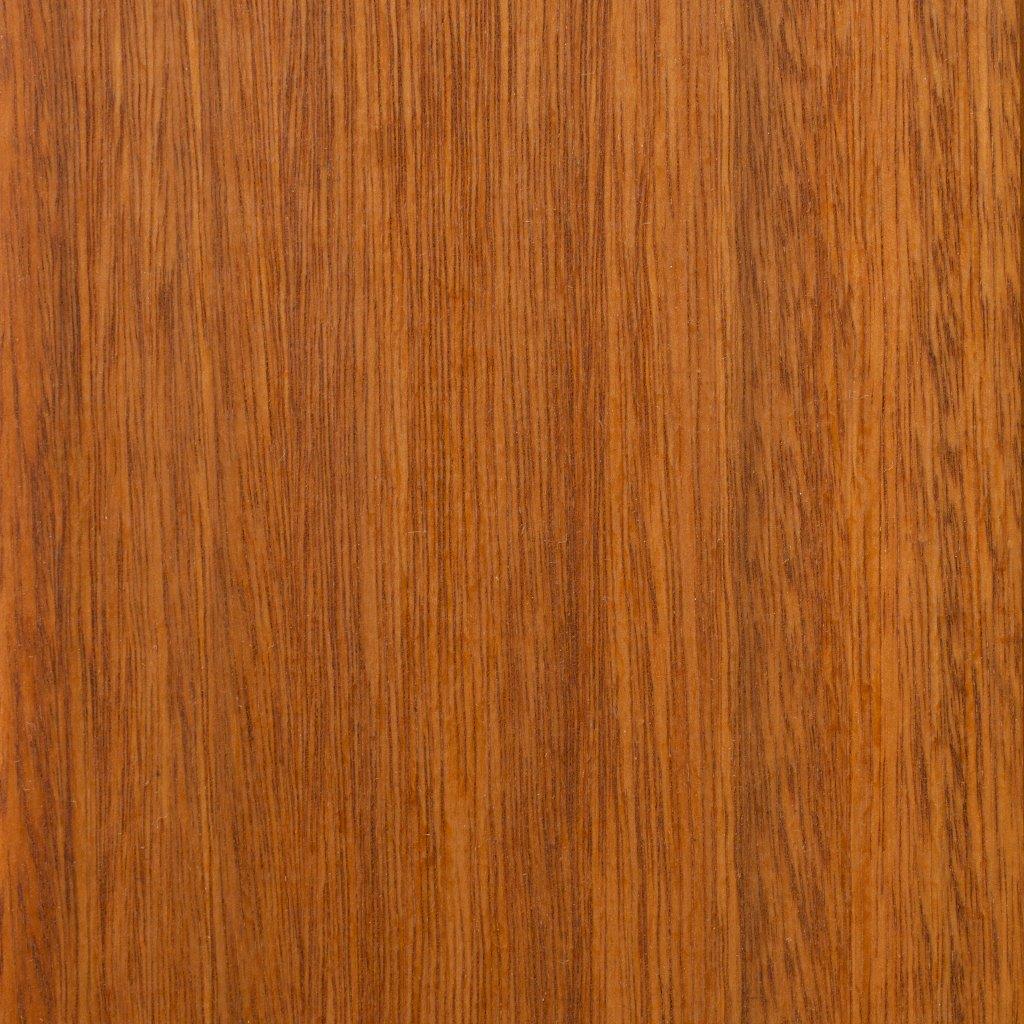
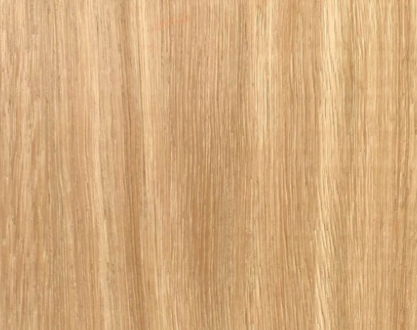
Exposure to Moisture
Water Solubility: Timber’s exposure to rain, humidity, or other sources of moisture can dissolve and wash away water-soluble compounds present in the wood. This process is more pronounced in freshly cut or untreated wood.
Absorption and Desorption Cycles: Timber absorbs moisture from the environment and then releases it as conditions change. During this process, soluble compounds within the wood can leach out.
Chemical Treatments
Preservatives and Fire Retardants: Treated timber, which has been infused with preservatives or fire retardants to enhance its durability and safety, can also leach these chemicals.
Over time, these treatments can be washed out by rain or other sources of moisture, especially if the treatment was not properly applied or if the timber is continuously exposed to harsh environmental conditions.
Copper-based Treatments: Treated wood often contains copper-based preservatives which are highly effective against rot and insects. However, these can leach out and cause staining on adjacent surfaces.
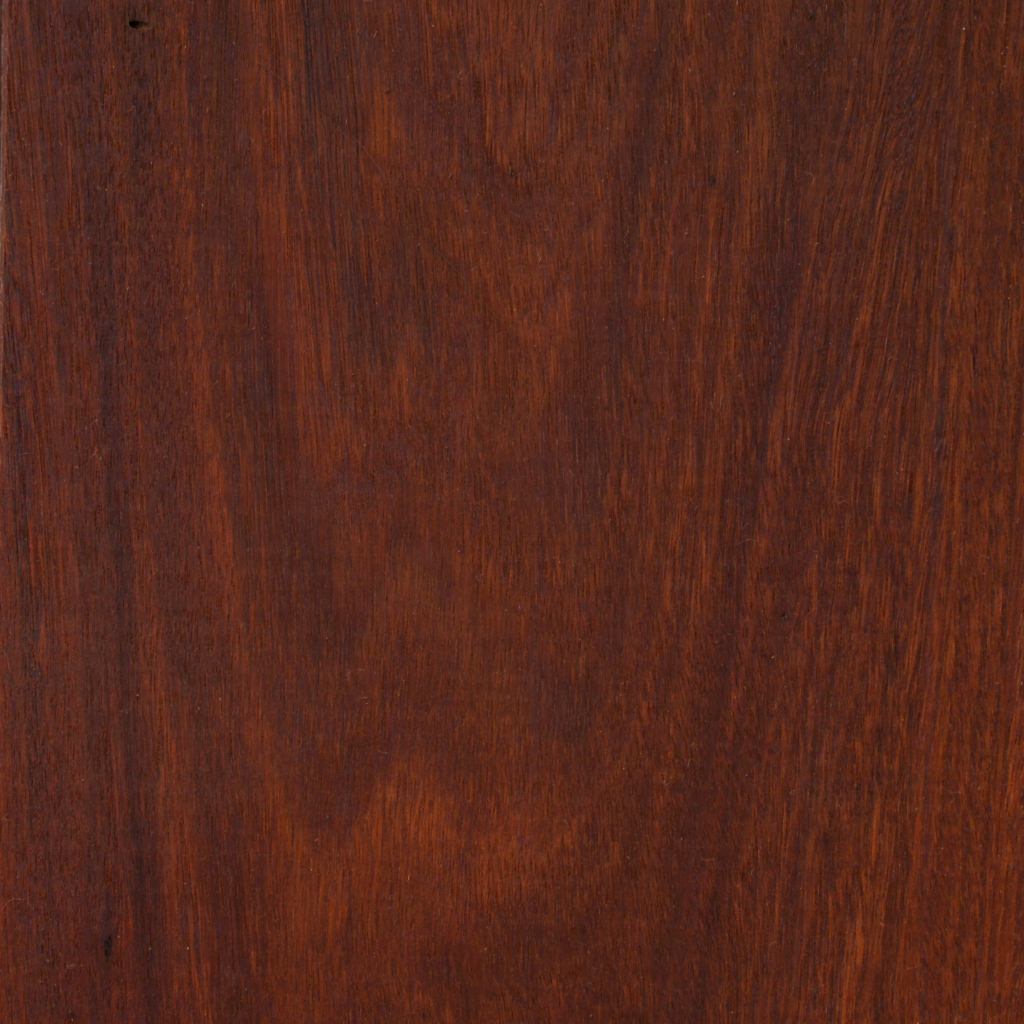
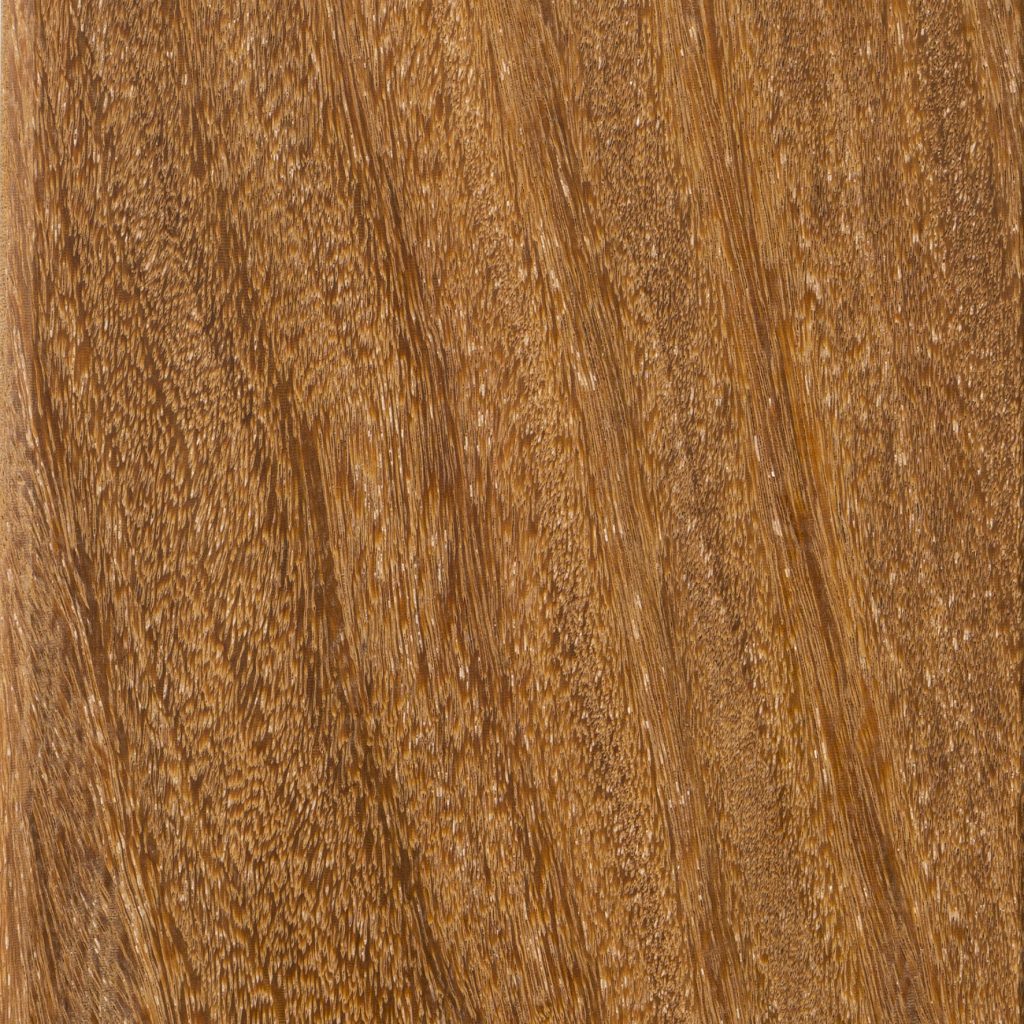
pH Levels and Environmental Factors
Acidic or Alkaline Conditions: The pH of rainwater or soil can influence the leaching of certain compounds from the wood. Acid rain, for example, can accelerate the leaching of tannins and other extractives.
Environmental Pollution: Pollutants in the environment can interact with the timber and enhance the leaching process, either by breaking down the compounds in the wood or by altering the wood’s surface properties.
Wood Species
Variability in Composition: Different wood species have varying amounts and types of extractives.
Species like oak, cedar, and redwood are known for their high tannin content, making them more prone to leaching, especially when freshly cut or untreated. This is particularly important to consider when using these timbers in exterior cladding applications.
How to mitigate leaching of timber
Proper Seasoning and Drying: Allowing timber to dry properly before use can reduce the amount of leachable compounds.
Sealing and Coating: Applying sealants, stains, or paints can create a barrier that reduces moisture ingress and minimizes leaching.
Using Treated Wood: Selecting treated timber with high-quality, stable preservatives can minimize the leaching of harmful chemicals.
Choosing Low-Leach Species: Using wood species that are less prone to leaching can be beneficial in certain applications.
Interested in Using Western Red Cedar Cladding in Your Next Project?
With its balance of performance, versatility, and timeless appeal, Western Red Cedar continues to be a leading choice for architectural cladding.
Contact the Modinex team today to discuss your project requirements and discover how this premium timber can bring your design vision to life.
Article By Joel Leitch | 19 December 2025

Joel Leitch
Project Consultant
Joel is an integral team member of NSW projects division with over a decade as a consultant to architects and builders. With extensive experience as a head of projects, Joel Leitch combines deep knowledge of natural timber, aluminium, and concrete to provide innovative and inspiring design solutions.
