 1800 156 455

Types of Timber Cladding
Timber cladding is a remarkable choice that brings both beauty and functionality to buildings.
The selection process needs more than just picking what looks good.
Once used mainly on barns and sheds, timber cladding is now a go-to choice for modern homes and commercial builds alike.
From sleek vertical panels to classic horizontal styles, timber cladding suits a wide range of architectural looks.
It can even last up to 60 years when properly maintained.
Whether you’re drawn to the rich tones of Western Red Cedar or the durability of Spotted Gum and Ironbark, each timber type offers its own blend of style, sustainability, and performance.
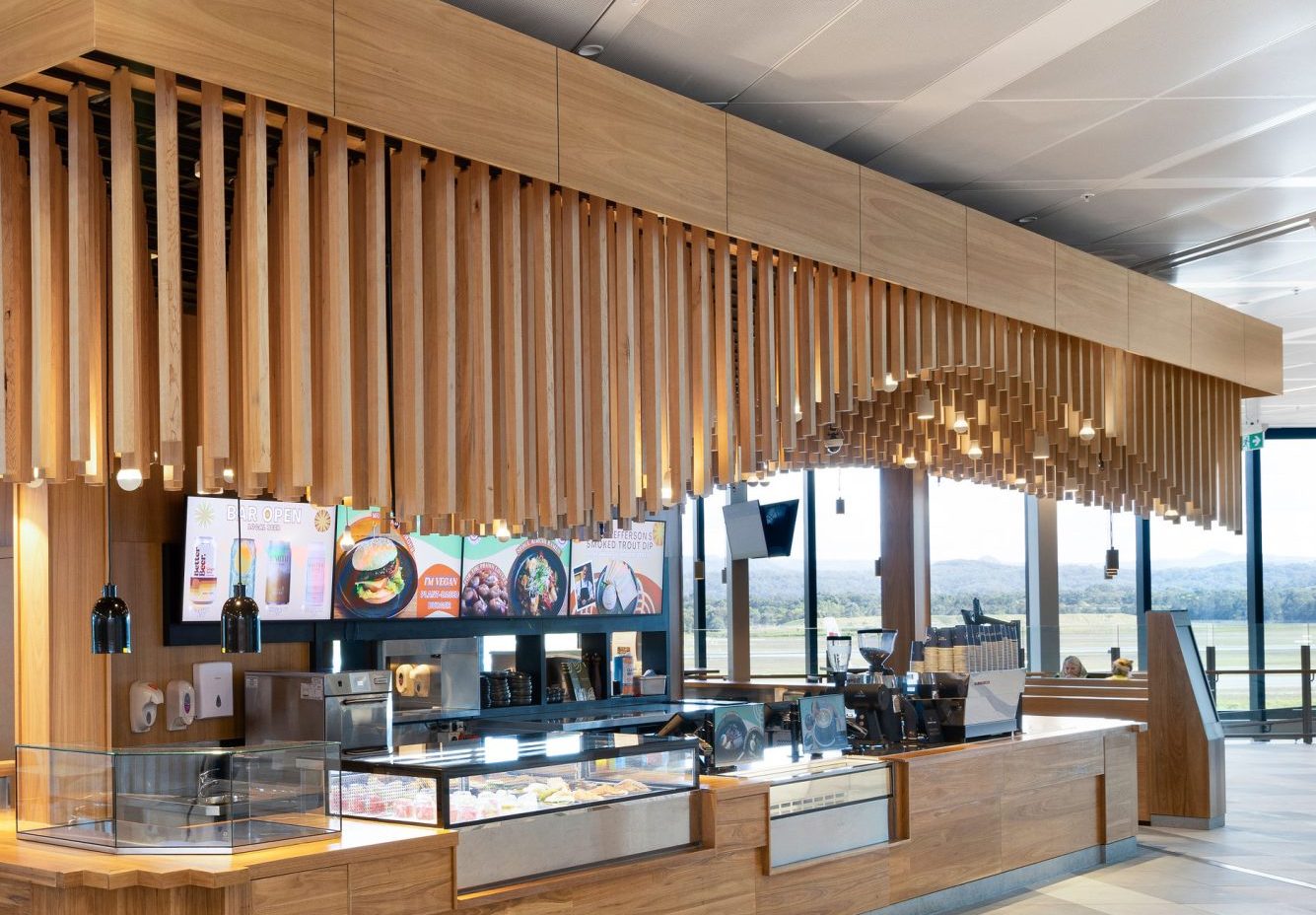
Understanding Timber Cladding Fundamentals
Timber cladding acts as a protective outer layer that shields buildings against water and weather effects while enhancing their appearance.
Cladding also provides sound insulation, thermal regulation, and even fire resistance with the right treatment.
Timber cladding’s basic structure uses overlapping boards or planks installed on a building’s external façade.
The design includes a vital gap between the cladding and main wall. This engineered space lets moisture either evaporate or drain away when it penetrates the cladding.
Timber cladding stands out because it’s lightweight and flexible. Existing architectural elements like piers, columns, and posts can support its weight without extra structural support.
As such, it is considered an economical choice for many building projects.

Softwood Timber Cladding Species
Softwood timber species are the most accessible cladding materials in Australian construction, though their name can be misleading.
The term “softwood” doesn’t mean they are actually soft. They come from coniferous or evergreen trees with needles and cones, while hardwoods come from deciduous broadleaf trees.
Western Red Cedar
Western Red Cedar is one of the best softwood cladding choices that grows in British Columbia and western USA. It delivers exceptional natural durability without preservative treatment. Western Red Cedar weighs just 23 pounds per cubic foot and provides excellent thermal insulation with impressive decay and insect resistance. The wood’s natural oils can corrode ferrous metals, so builders must use stainless steel fixings.
Hemlock
Hemlock, especially Western Hemlock from North America, serves as another excellent softwood option. The wood’s lustrous pale timber works well for fine detailing and carving. Hemlock’s straight grain and medium-to-fine texture make it an attractive and cheaper alternative to cedar.
Alaskan Cedar
A premium softwood option with compact grain and delicate facing, Alaskan Cedar weighs less than traditional cedar while delivering exceptional durability. The timber’s natural oils provide excellent resistance to rot and pests, making it suitable for both indoor and outdoor applications. With a Class 1 Durability Rating, Alaskan Cedar lasts 40+ years above ground, surpassing cedar’s performance while offering distinctive yellow-white tones that age gracefully to an elegant silver

Hardwood Timber Cladding Species
Hardwood timber species are a great alternative to softwoods in the market.
These species deliver exceptional durability and stunning aesthetics that revolutionise ordinary structures into architectural masterpieces through premium cladding applications.
American Oak
American Oak brings remarkable versatility and beauty to cladding projects. This timber works well with different tools and takes stains and polishes easily, which gives you many finishing options. It is used primarily for flooring, furniture, and joinery, but American Oak cladding now adds sophisticated elegance inside and outside buildings.
Ironbark
Ironbark stands out as one of Australia’s finest hardwoods with its dark, deeply furrowed bark. The deep dark red to red-brown hues creates a beautiful contrast against its distinctive pale yellow sapwood. The cladding ages naturally to an attractive silvery-grey colour, which makes it a perfect choice for modern Australian designs.
Blackbutt
Blackbutt gets its name from its unique look following bushfires. The heartwood shows golden yellow to pale brown colours with hints of pink. This Australian hardwood earned a Class 1 durability rating, which makes it perfect for exterior cladding in tough environments. In fact, it’s one of seven hardwoods you can use for construction in bushfire-prone areas if it’s thicker than 18mm.
Spotted Gum
Spotted Gum leads the pack as Australia’s favourite timber for external cladding. The wood manages to keep Class 1 durability and natural resistance to bushfires (BAL29 fire rating), which helps it handle Australia’s toughest weather conditions. It works amazingly well with Japanese Shou Sugi Ban charring technique, which enhances both its looks and weather resistance.

Thermally Modified Timber Cladding
Thermal modification turns ordinary wood into a superior building material through specialised heat treatment. This chemical-free method boosts timber’s natural properties and creates highly durable and stable cladding without toxic preservatives.
The timber goes through dramatic cellular changes during thermal modification. The process reduces the wood’s equilibrium moisture content by up to 40% compared to untreated softwoods.
The thermal treatment breaks down hemicellulose, a sugar compound that fungi feed on, which makes the wood more resistant to decay and insects.
Thermally modified timber shows better dimensional stability than untreated timber. Tests reveal minimal expansion between 35% and 85% relative humidity conditions.
To name just one example, a 120mm-wide thermally modified spruce board expands only 1mm while standard spruce expands 3mm. This exceptional stability makes it perfect for exterior cladding where weather constantly affects the material.
Thermo-Wood Process Overview
The Thermo-Wood process happens in three distinct phases.
1. The kiln temperature rises faster with heat and steam to about 100°C, then climbs to 130°C until moisture content nears zero.
2. The temperature then reaches between 190°C (Thermo-S) and 212°C (Thermo-D) based on the intended use and stays there for 2-3 hours.
3. The final phase cools and conditions the moisture, bringing wood moisture content above 4%.
Thermally modified timber provides more benefits beyond durability and stability.
It offers better thermal insulation (20-25% higher than standard kiln-dried softwoods), stronger resistance to fungal attack, and creates a beautiful golden-brown look that proper finishes can preserve.
This modification works well with many wood species – both softwoods like Pine and Spruce and hardwoods such as Oak and Ash.
The process completely changes the wood’s properties. It becomes resin-free, dimensionally stable, and much more resistant to decay, lasting up to 60 years.

Timber Cladding Profiles
Picking the right profile is a vital decision for your timber cladding project.
Your choice will substantially affect how it looks and works. The wood’s machining creates the profile that determines how cladding pieces connect during installation.
– Horizontal timber cladding gives a classic, timeless look. A traditional weatherboard creates a clean, simple appearance and helps water flow away through overlapping sections. Shiplap profiles look similar to open gap boards but with an overlapping joint that keeps water out of the ventilated cavity. This design extends the cladding’s life. Architects love this profile because of its simple shadow gap detail and hidden fixings.
– Vertical cladding has become much more popular over the last several years. It adds height and brings a contemporary feel to buildings. Board on board offers a simple yet effective vertical profile. The boards overlap alternately and create depth through shadow lines. Square-edged boards work great with this arrangement, which builders can install quickly.
– Tongue and groove profiles create a strong connection between boards. You can install them horizontally, vertically, or diagonally. This interlocking system blocks wind-driven rain better and gives a smooth finish.
– Open gap or rainscreen profiles create eye-catching shadows with small gaps between boards. These systems need proper ventilation behind the cladding. An 8mm gap between boards helps prevent moisture from building up.
– Feather edge (or weatherboard) uses tapered boards installed with the thin edge at the top. This creates a distinctive overlapping pattern. The boards need a minimum lap of 30mm for hardwood and 20mm for Western Red Cedar.
– Profile selection also affects practical aspects. Horizontal profiles must have chamfers on the top edge for water drainage to prevent pooling. Fixing requirements change based on the profile too. Boards under 130mm wide need one fixing at each stud, while wider ones need two.
The best profile for your project depends on balancing visual priorities with practical needs like local climate, building orientation, and maintenance requirements.
Sustainability and Certification
Sustainability has become the main goal in selecting building materials in our eco-conscious market, beyond just looks and strength. Timber cladding brings amazing eco-friendly benefits, especially when you have responsibly sourced materials through certified channels.
Environmental Benefits of Timber Cladding
Timber ranks among the most eco-friendly cladding materials accessible to more people today.
It acts as a natural carbon store. Trees absorb carbon dioxide and release oxygen as they grow.
Each tonne of CO2 absorption leads to about three-quarters of a tonne of oxygen production. The stored carbon stays locked in timber cladding throughout its life, even after harvesting.
Picking timber over other materials will give a huge environmental advantage.
Studies show that using wood instead of alternative building materials saves about 0.9 tonnes of CO2 per cubic metre.
The environmental impact stays low because timber renews itself naturally. Even the waste gets put to good use – offcuts become firewood or sawdust.
Timber grows naturally using just sunlight, water and soil nutrients, unlike manufactured materials that need lots of energy to produce.
This natural sustainability makes it the top choice for eco-conscious projects.
Certifications to Look For
Australia has two independent global forest certification schemes:
1. The Forest Stewardship Council (FSC)
2. The Programme for the Endorsement of Forest Certification (PEFC)
These certifications prove that timber comes from well-managed forests that balance environmental, social and economic needs.
The FSC started in 1993 to address deforestation concerns.
It certifies forestry work based on strict environmental and social guidelines. PEFC, which began in 1999, promotes good practices across the forest supply chain and ensures timber products meet high ecological standards.
Both systems verify that forests maintain biodiversity, support ecosystems, and provide steady timber supply. Certified timber helps forest conservation while giving you great looks and functionality.
Note that you should look for either the FSC “tree tick” logo or PEFC “green trees” symbol. These marks guarantee your purchase supports responsible forest management.
Choosing the Right Timber Cladding

Achieve the Perfect Timber Cladding Project
Timber cladding is a remarkable choice that brings both beauty and functionality to buildings.
The selection process needs more than just picking what looks good.
Contact Modinex today for expert advice on selecting the perfect timber cladding for your next project.
Article By Joel Leitch
| 11 April 2025
Joel Leitch
Project Consultant
Joel is an integral team member of NSW projects division with over a decade as a consultant to architects and builders. With extensive experience as a head of projects, Joel Leitch combines deep knowledge of natural timber, aluminium, and concrete to provide innovative and inspiring design solutions.