Designing with Timber: Here Are 5 Reasons

Designing with Timber: Here Are 5 Reasons

Using timber in architectural design offers numerous advantages
across various dimensions. Here are the key reasons to consider
timber in architectural projects:

Understanding Timber Cladding and Its Maintenance Environmental Sustainability

Renewable Resource: Timber, when sourced from sustainably managed forests, is a renewable resource.

This helps in reducing the reliance on non-renewable materials and promotes forest regeneration.

Carbon Sequestration: Trees absorb carbon dioxide from the atmosphere during their growth.

Using timber in construction helps sequester this carbon for the life of the building,
contributing to reduced overall carbon emissions.

Lower Embodied Energy: Timber production and processing generally require less energy compared to other building materials like steel and concrete, resulting in a smaller carbon footprint.

Aesthetic and Design Flexibility

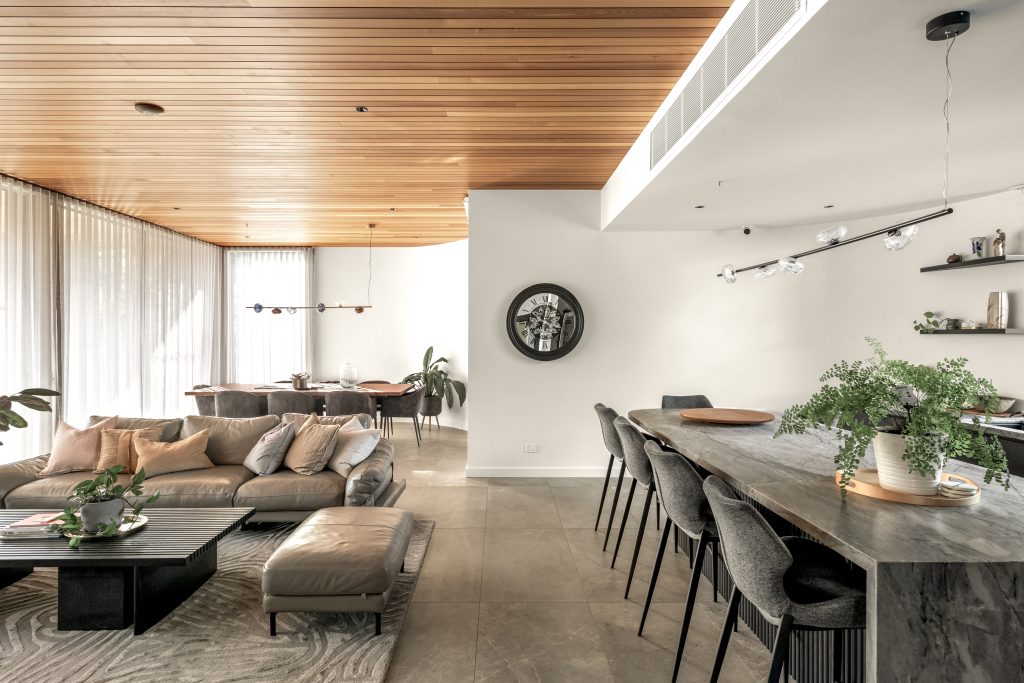
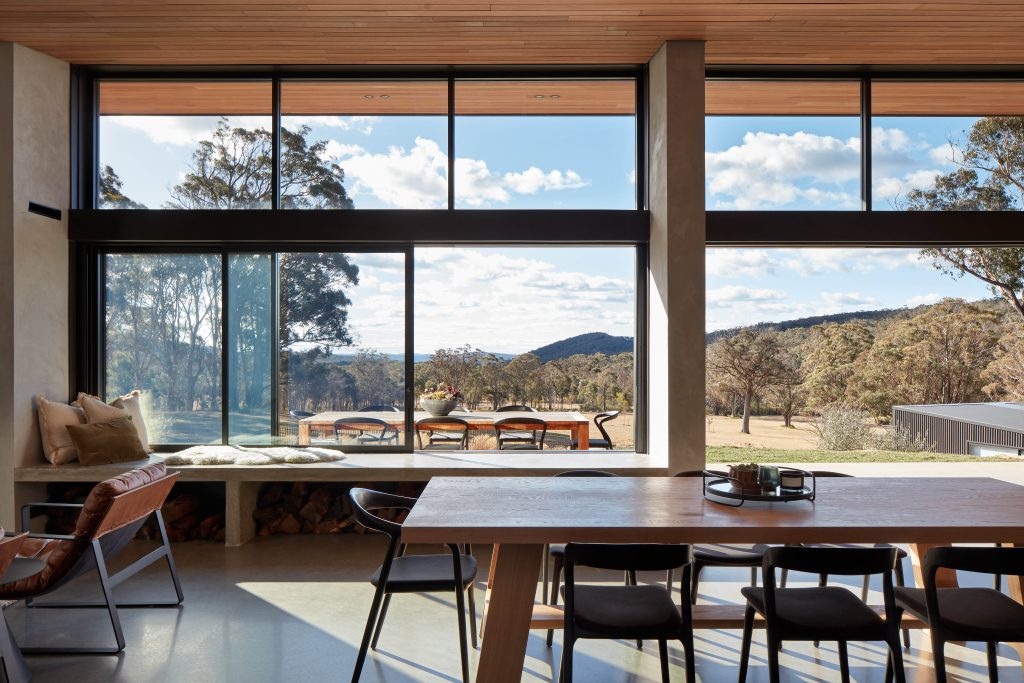
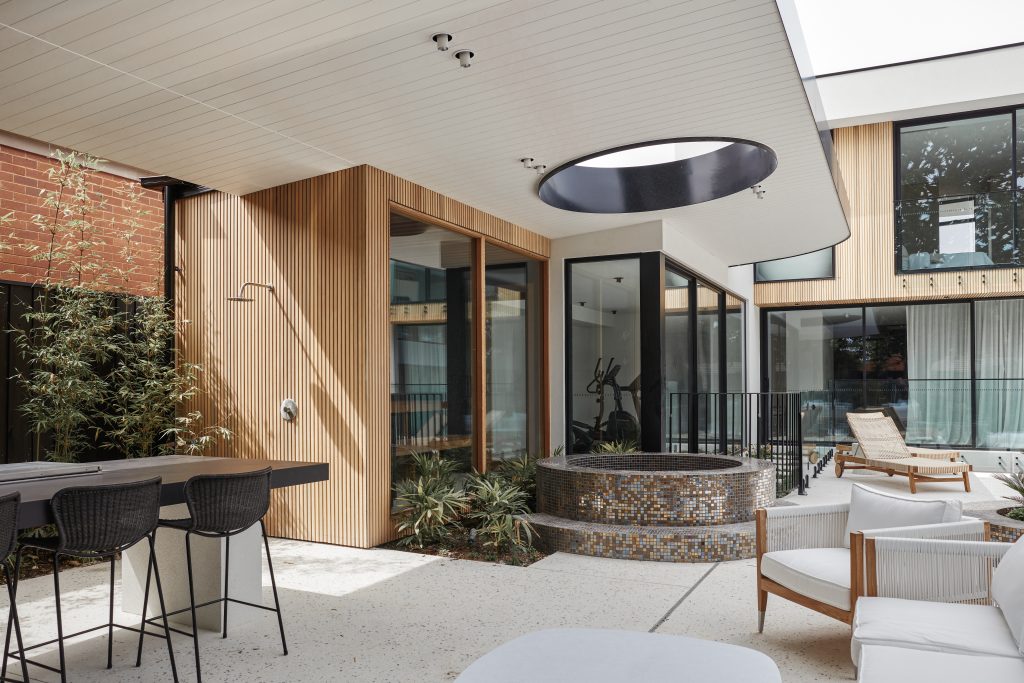
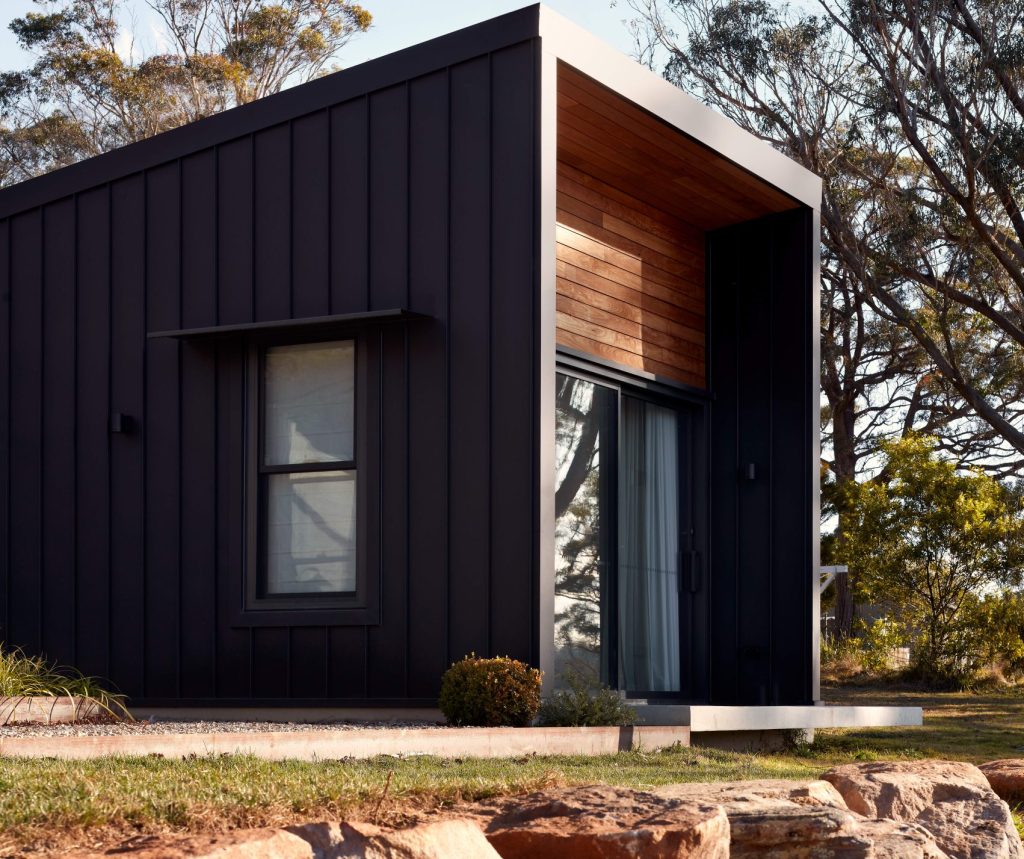
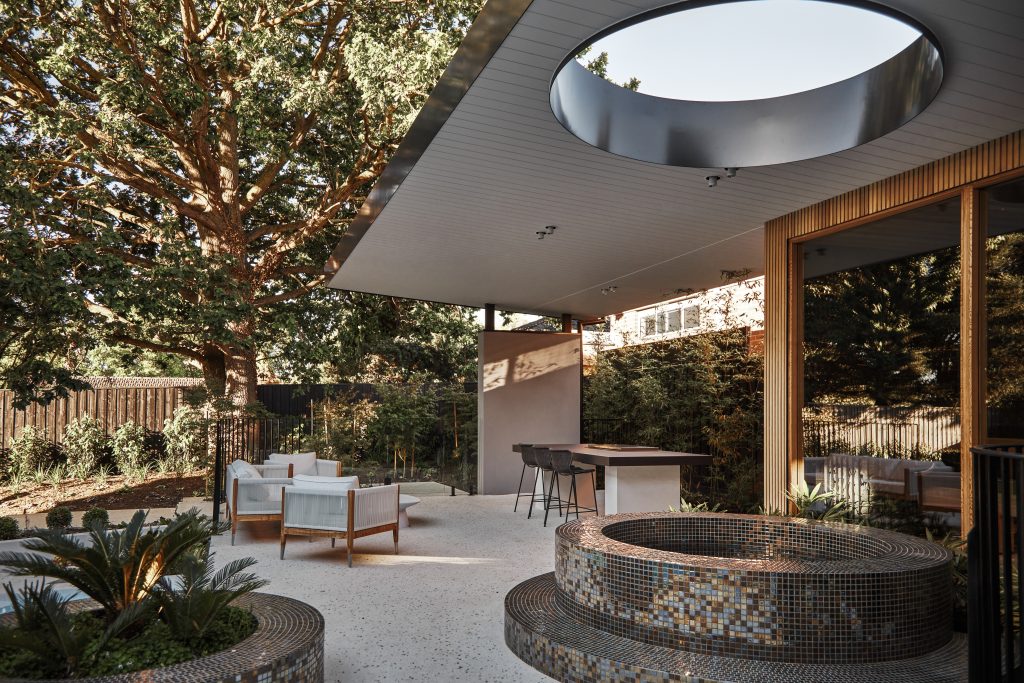
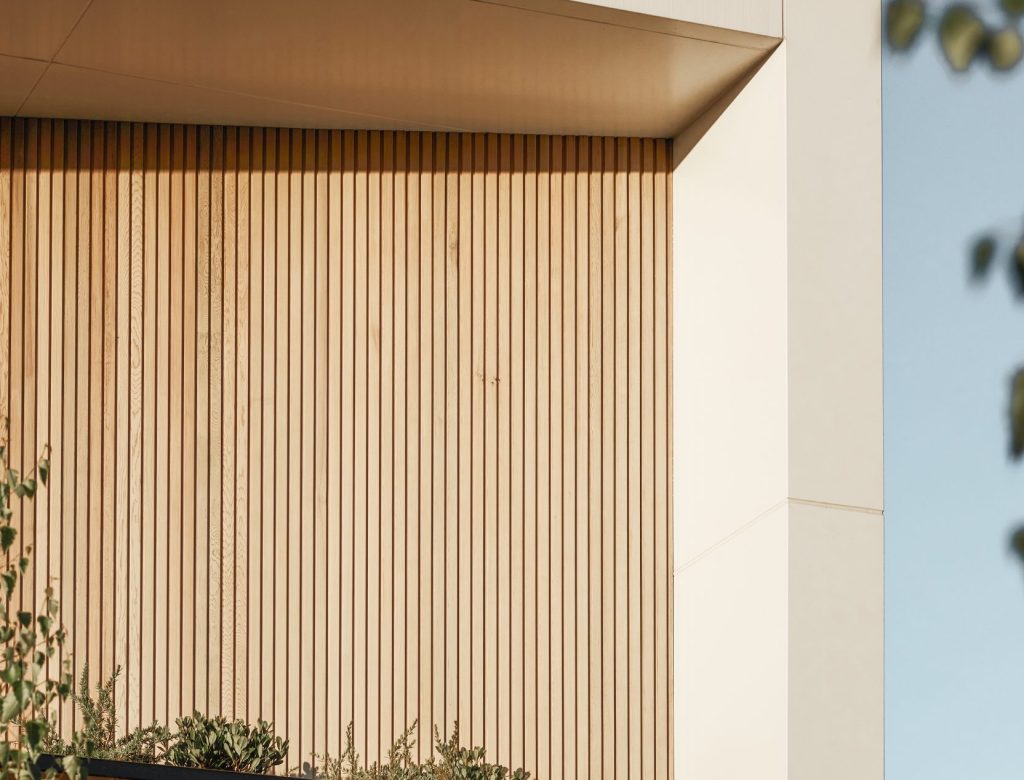
Natural Beauty: Timber provides a natural, warm, and aesthetically pleasing appearance, enhancing the visual appeal of both interior timber lining and exterior spaces.

Versatility in Design: Timber can be used in a variety of architectural styles, from traditional to contemporary. Its versatility allows for diverse applications, including structural elements, finishes, and decorative features.

Structural Efficiency

Strength-to-Weight Ratio: Timber boasts a high strength-to-weight ratio,
making it a strong yet lightweight material. This can lead to more efficient and flexible structural designs.

Innovative Products: Advanced timber products such as cross-laminated timber (CLT), glulam, and laminated veneer lumber (LVL) expand the possibilities for timber use in larger and more complex structures.

Thermal and Acoustic Properties

Thermal Insulation: Timber has excellent natural insulating properties, contributing to energy-efficient buildings by helping to maintain consistent indoor temperatures and reducing the need for artificial heating and cooling.

Acoustic Performance: Timber can enhance acoustic comfort by dampening sound transmission. Its natural sound-absorbing qualities are beneficial in creating quieter and more comfortable indoor environments.

Construction Efficiency

Prefabrication: Timber components can be prefabricated off-site with high precision, reducing on-site construction time and labor costs. Prefabrication also minimizes waste and on-site disruptions.

Ease of Work: Timber is relatively easy to work with, allowing for faster construction processes, easier handling, and flexibility in making on-site modifications if necessary.

These reasons highlight why timber is a favored choice in modern architectural design, balancing environmental considerations, aesthetic appeal, structural performance, and construction efficiency.

To view what timber species are available please click here https://modinex.com.au/species/

Article By   Joel Leitch   |   19 December 2025

Joel Leitch

Project Consultant

Joel is an integral team member of NSW projects division with over a decade as a consultant to architects and builders. With extensive experience as a head of projects, Joel Leitch combines deep knowledge of natural timber, aluminium, and concrete to provide innovative and inspiring design solutions.