 1800 156 455
Designing with Cedar Shingles: Ideas, Installation and Maintenance
Designing with Cedar Shingles: Ideas, Installation and Maintenance
Cedar shingles have a way of making a building feel considered rather than just constructed.
Long before flat cladding panels and engineered composites, shingles were doing the same job they still do today,
giving a roof or wall some much-needed texture by overlapping pieces of timber.
That heritage is part of the appeal, but it’s worth understanding how shingles are being used in modern design,
how they age, and what it takes to keep them looking their best before you commit to them for a project.
The Architectural Appeal of Cedar Shingles
Western Red Cedar is the species we use for its shingle range, and it’s long been prized for its natural durability, insulation performance and a rustic texture that’s hard to replicate. Even when they’re laid with total precision, shingles bring the sense of handmade craft into a facade. Each piece is slightly different in width, colour, and grain, all working together as a single textured surface rather than a repeated panel.
That heritage feel is part of the appeal for a lot of the projects we see today. Shingles offer something few other claddings can: a surface that reads differently depending on the light, the weather, and how long it’s been up. If that same warmth and depth appeals to you across a broader material palette, it’s worth browsing the full Western Red Cedar range, which covers cladding and battens alongside shingles.


Modern Design Applications
Shingles aren’t limited to heritage cottages and beach shacks anymore. They’re showing up across a much wider range of residential and commercial projects, in a few key ways:
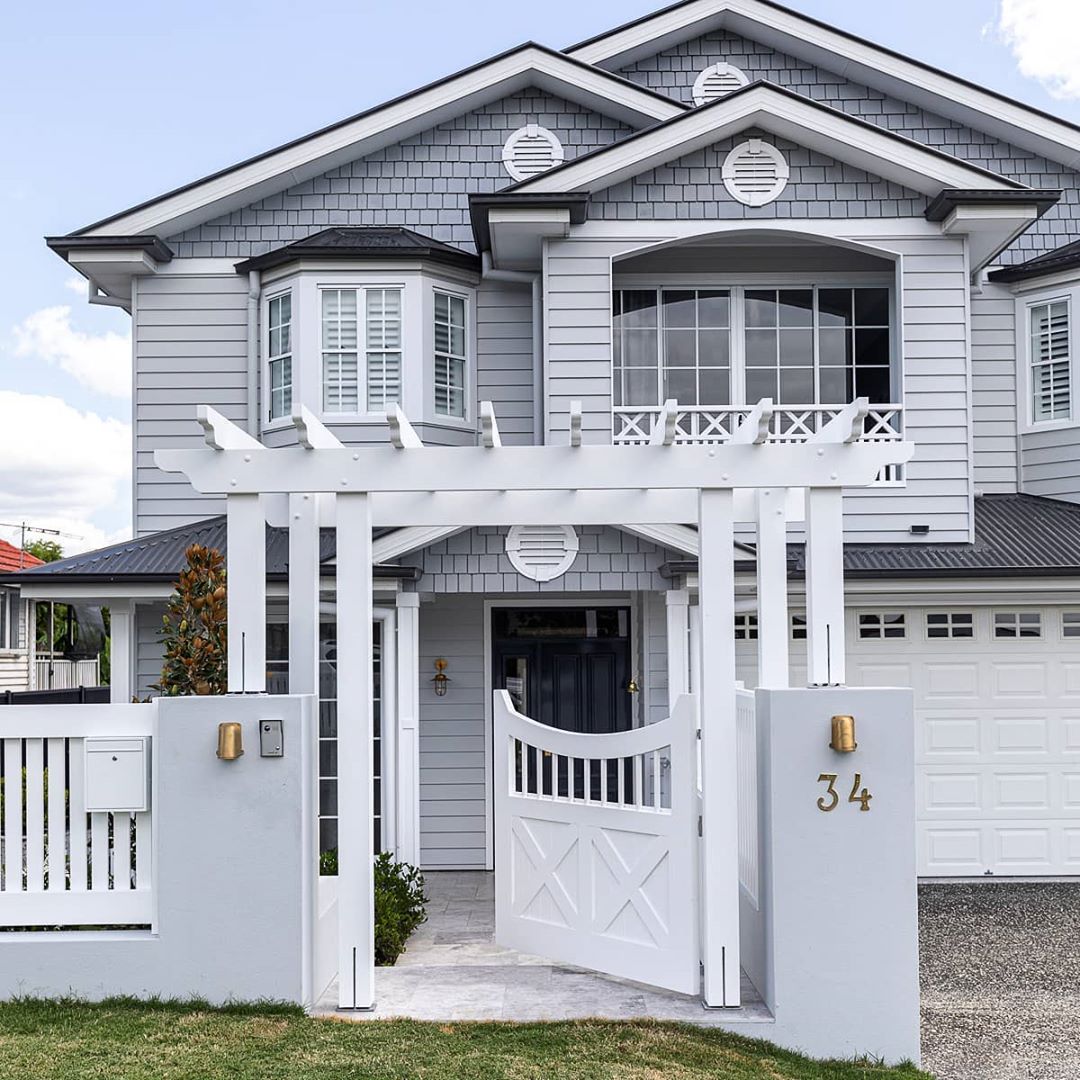
– Gable ends: The classic application, and still one of the most effective. A shingled gable adds texture and architectural interest to what’s otherwise a large, flat plane.
– Full facades: Covering an entire elevation in shingles creates a cohesive, tactile building envelope that feels handcrafted at scale, particularly effective on coastal and rural sites.
– Feature walls and entries: Partial applications, such as wrapping a single volume, a dormer, or the wall around a front door, let shingles work as an accent rather than covering the whole build.
– Gazebos and outdoor rooms: Shingles suit smaller freestanding structures particularly well, and work equally on remodelling projects and new builds.
Pairing Cedar Shingles with Other Materials
Shingles rarely appear alone in a design, and the materials placed alongside them do a lot of the work in defining the overall feel of a project.
– Render or block: A smooth, painted render or block wall next to a shingled volume creates strong textural contrast.
– Black-framed windows and dark trims: Dark frames and downpipes read crisply against cedar’s warm tones, keeping the overall look considered rather than rustic for its own sake.
– Stone or brick plinths: Grounding a shingled upper storey in stone or brick gives a build visual weight and stops the facade reading as one uniform texture top to bottom.
– Glass at entries: Glazing next to shingle cladding softens the transition at an entry point and brings light into what could otherwise be a heavy timber facade.
Laying shingles well is a genuine trade skill. Correct coursing, fixing and ventilation behind the cladding all affect how the finished product performs over time. It’s worth bringing an experienced installer into the conversation at the design stage rather than treating it as a detail to sort out later.


How Cedar Shingles Age
Like many other exterior timber products, cedar shingles change colour over time, and that’s usually the whole point of choosing them. Left uncoated, cedar will gradually silver as it’s exposed to UV and weather, settling into the soft grey patina that many designers aim to achieve in the first place.
How quickly and evenly that happens depends on a few factors:
– Orientation (north and west-facing elevations weather faster under stronger sun exposure)
– Coastal proximity (salt air speeds the process up)
– Whether a coating has been applied to slow it down.
A clear penetrating oil delays the silvering rather than preventing it altogether, helping you keep that warm look for much longer.
Maintenance Requirements and Finishing Options
Modinex recommends coating Western Red Cedar shingles with a clear penetrating oil, which adds protection, stability and longevity without masking the timber’s natural texture. Like most penetrating oils and stains, it needs periodic reapplication rather than a single treatment. For a full breakdown of recoating cycles, cleaning schedules and how to spot early signs of wear, our external timber cladding maintenance guide covers what to plan for across the life of the cladding.

Cedar Shingles in Bushfire-Prone Zones
One thing worth flagging if your project sits in a bushfire-prone area: softwood species, including Western Red Cedar, don’t meet the material requirements for BAL ratings. That rules out cedar shingles as a compliant primary cladding once a site sits above BAL Low, regardless of the coating or treatment applied.
That doesn’t mean the shingle look is off the table entirely. For projects that need BAL compliance but still want that layered, dimensional cladding texture, timber-look aluminium cladding is worth considering. It’s non-combustible and suitable across all BAL zones while still delivering shadow lines and tactile depth similar in spirit to shingles. If bushfire compliance is a factor for your site, it’s worth raising early so the right material gets specified from the outset.
Ready to Bring Cedar Shingles Into Your Project?
Cedar shingles reward a bit of planning, but they’re a great choice for your project.
Browse the full Modinex Shingles range then request a sample or a full specification to see how the finish and texture work in person before committing.
Article By Joel Leitch | 11 November 2024

Joel Leitch
Project Consultant
Joel is an integral team member of NSW projects division with over a decade as a consultant to architects and builders. With extensive experience as a head of projects, Joel Leitch combines deep knowledge of natural timber, aluminium, and concrete to provide innovative and inspiring design solutions.
