 1800 156 455
Wooden Feature Walls: Design Principles
Wooden Feature Walls: Design Principles
Wooden feature walls are more than a trend; they’re a timeless way to introduce warmth, texture, and architectural interest to any interior.
Whether you’re elevating a modern living room, accenting a hallway, or enhancing a coastal-style kitchen, timber panelling delivers a refined,
natural finish that works across styles and spaces.
The appeal goes beyond aesthetics. Timber panels improve acoustic comfort, boost insulation, and protect walls in high-traffic zones.
As a renewable material, timber also supports more sustainable design choices, making it an ideal fit for future-focused homes.
Success lies in the details: pairing the right grain, tone and finish with a considered layout can turn a simple wall into a standout feature.
Applied thoughtfully, wooden panelling adds depth, rhythm and lasting character to the spaces people spend the most time in.
Understanding the Role of Timber in Interior Design
Wood does more than just look good in interior design, especially when used as a feature wall material. Timber walls’ natural beauty exceeds trends and gives any space timeless appeal.
Why timber is ideal for feature walls
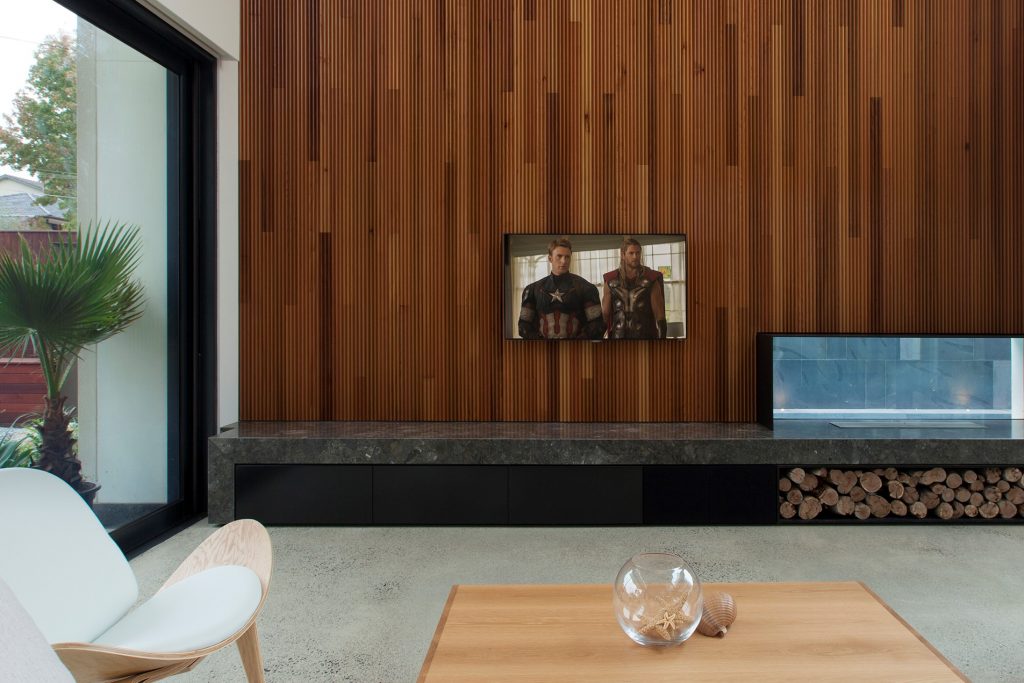
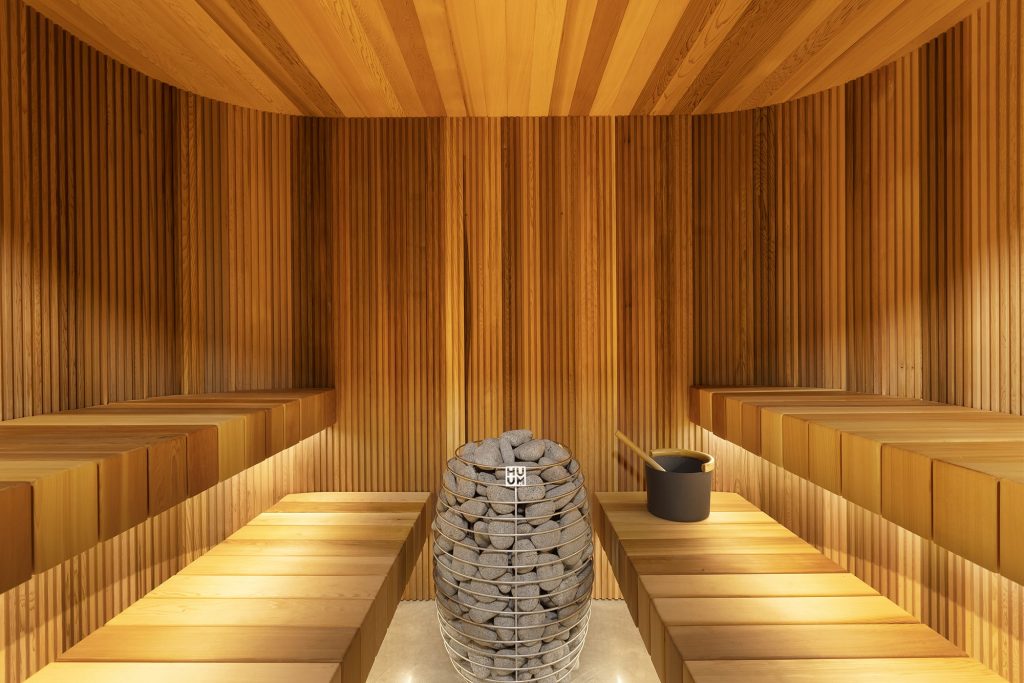
Wood feature walls naturally catch attention and become the room’s focal point. Other materials are nowhere near as sophisticated as wood’s rich textures and warm tones. They are remarkably versatile and adapt to design styles of all types, from rustic to contemporary. Wood brings unique character through its grain patterns and natural variations, adding visual depth that reshapes ordinary walls into extraordinary design statements.
The emotional and sensory appeal of wood
Research backs up what designers have known for years: wood positively influences wellbeing. Studies show that adults in wood-panelled rooms have substantially lower stress responses than those in plain white spaces. People consistently describe wooden interiors as more welcoming, relaxing, and warm.
This connection comes from biophilic design principles. Humans have an innate connection to nature that helps us feel better physically and emotionally when reflected in our surroundings. Wood’s tactile quality creates an experience that synthetic materials can’t match with its smooth texture and organic feel.
How timber supports sustainable design
Wood has natural properties that create healthier living spaces. It regulates indoor humidity and has smooth, hypoallergenic surfaces that resist dust and allergens. Wood’s excellent insulating properties boost energy efficiency. This reduces heating and cooling costs and creates a more comfortable environment.
Understanding the Role of Timber in Interior Design
You need to think over several important factors to pick the perfect wood for your wooden feature wall project. The right wood choice can substantially improve your interior wooden wall design and complement your existing décor.
Solid wood vs engineered timber
Engineered timber, on the other hand, has a thin layer of real wood bonded to a stable core of plywood or similar materials. Engineered options remain more stable in fluctuating temperatures and humidity. This makes them ideal especially when you have moisture concerns in bathrooms or similar spaces. You’ll find engineered timber costs less and installs easier, particularly with floating floor options.
Popular timber species and their characteristics
Oak (American or European): Consistent blonde-to-light brown tones and distinct grain patterns that work well with contemporary designs.
Tasmanian Oak: Light creamy, pinkish tones that create a cosy atmosphere with subtle natural variation.
Spotted Gum: Rich reds and bold browns for dramatic statement walls with unique grain patterns.
Teak: Naturally moisture-resistant, making it suitable for wet areas such as bathrooms.
Matching timber with existing joinery
Traditional panelling with exposed wood grain should match your room’s existing joinery. Wooden panel feature walls in older building extensions should match their outer veneer with existing timber. This creates visual continuity throughout your space.
Environmental certifications to look for
Whatever wood you choose, look for products with recognised certifications from FSC (Forest Stewardship Council) and PEFC (Programme for the Endorsement of Forest Certification). These certifications indicate that your wooden feature wall supports environmentally responsible practices and good forest management. FSC certification ensures timber products come from forests that meet strict environmental, social, and economic standards.
Design Principles for Timber Feature Walls
Your wooden feature wall’s impact depends on several design principles that create balance and visual interest in your space.
Balancing texture, tone and grain
A perfect wooden feature wall combines texture, tone and grain harmoniously. Rough-textured woods bring a rustic, cosy feel, while smooth finishes add refined elegance. Wood’s unique grain patterns shape its character. Large, visible grains create casual, rustic spaces. Subtle grains result in formal, polished rooms. The dominant wood tone should match your floors or largest furniture piece to achieve a cohesive look.
Vertical vs horizontal layout
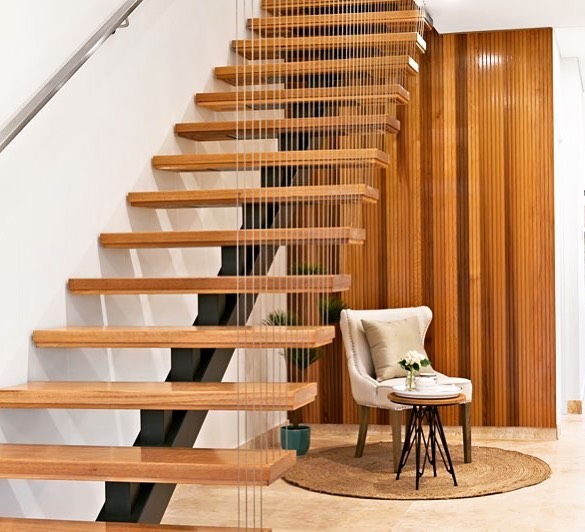
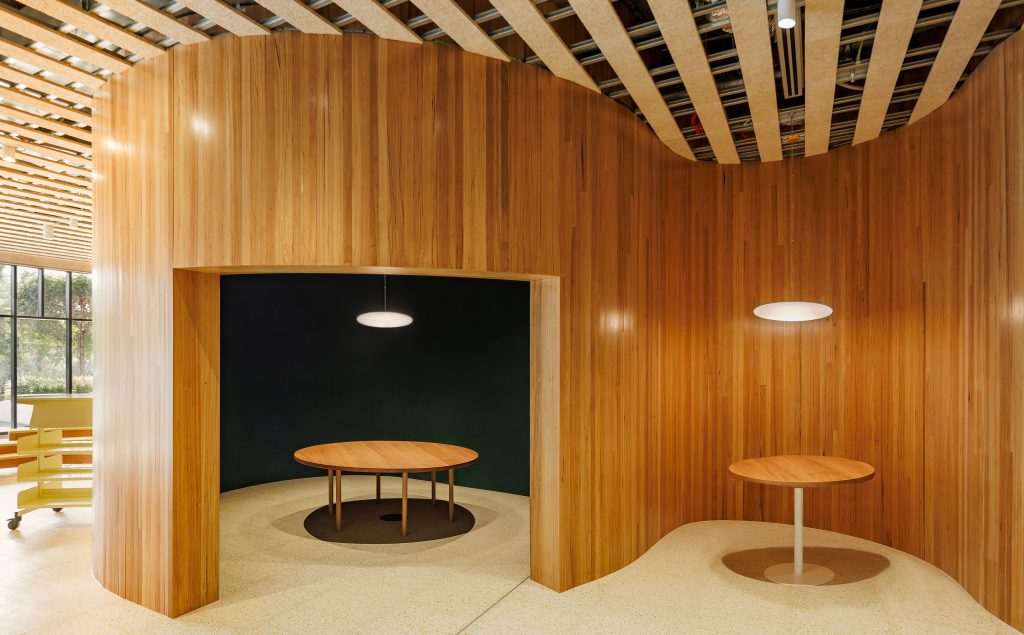
Panel orientation dramatically changes how people perceive space. Vertical arrangements give rooms a taller, thinner appearance, perfect for small spaces or rooms with low ceilings. Rooms appear wider with horizontal installations, making them ideal for narrow spaces. Vertical orientations work best in hallways and high-traffic areas as they line up with rainfall direction and enhance water resistance.
Framed vs seamless panelling
Tongue-and-groove panels create stable, gapless surfaces. Shiplap uses overlapping boards that cast subtle shadows. Board-and-batten combines wider boards with thinner battens to cover seams. Raised panel designs with horizontal rails and vertical stiles add sophistication to formal spaces.
Using timber to define zones in open spaces
Wooden feature walls naturally separate functional areas in open-plan layouts without physical barriers. Material contrast helps guide movement through your space. A wooden panel backdrop can distinguish dining areas from living zones effectively.
Creating contrast with light and dark woods
Light and dark woods create depth and visual interest through contrast. Balanced designs need at least two examples of each wood tone throughout the space. Even distribution works better than clustering similar tones together.
Room-by-Room Applications of Wooden Feature Walls
Living room: A wooden feature wall changes a basic TV wall into an artistic masterpiece. Wood’s natural warmth creates an attractive backdrop for entertainment systems and adds texture that catches the eye. Built-in wooden storage units look appealing and anchor the room while providing practical space.
Bedroom: Quality woods like oak, maple, or walnut make timeless bedheads that match any interior style. These striking focal points stand out beautifully. Natural grain patterns and warm tones create a peaceful backdrop, which is ideal for a good night’s sleep. A wooden panel behind the bed adds depth and character that turns your bedroom into a peaceful sanctuary.
Kitchen: Wood adds unexpected warmth as an alternative to standard kitchen splashbacks. Wooden surfaces pair beautifully with both modern and traditional kitchen units. Wood cladding on islands creates a bistro feel when paired with stainless steel or stone. Just remember to seal it properly against heat and moisture.
Bathroom: Bathrooms need wood species that resist moisture well. Spotted Gum works great with proper coating. Wood-effect porcelain tiles might be your best choice as they capture timber’s beauty and handle water splashes without maintenance worries.
Hallways and stairs: Wood panelling lifts the look of entrances and corridors instantly. Half or full-height panels protect your walls from scuffs in busy areas. Extending the panelling to stairs creates a smooth visual flow between levels. These panels add texture and energy to transitional spaces, drawing eyes upward and making areas look bigger.
Ready to Redefine Your Interiors? Contact Modinex Today
Whether you’re after bold impact or subtle sophistication, timber delivers timeless results while supporting acoustic comfort, thermal performance and overall wellbeing. It’s a smart investment stylistically, sustainably and structurally. Ready to transform your space with a timber wall that works as beautifully as it looks? Talk to the experts at Modinex. We’ll help you select the right products, species and layout to bring your design vision to life.
Article By Sophie Rodgers | 9 May 2025

Sophie Rodgers
Chief Marketing Officer
Sophie joined Modinex in 2024, bringing more than a decade of experience in the construction industry, with a particular focus on architectural specification development. Her deep understanding of the needs and challenges faced by architects, designers, and builders when selecting premium building materials shapes Modinex’s strategic approach to marketing and brand positioning. Sophie leads all aspects of the Modinex brand with a focus on communication, clarity, and connection.
