 1800 156 455
What Is Weatherboard Cladding? A Practical Guide for Homeowners
What Is Weatherboard Cladding? A Practical Guide for Homeowners
From Victorian-era cottages to contemporary coastal builds, weatherboard cladding has shaped Australian homes since the 1850s, and it remains one of the most enduring exterior choices available.
This guide covers the profiles and materials that suit different projects, and what maintenance a well-chosen board actually requires.
What is Weatherboard Cladding?
Weatherboard cladding refers to individual boards fixed to a building’s exterior frame to form a continuous, weather-resistant surface. The defining feature is the horizontal overlap: each board overlaps the one below by around 30–40mm, channelling rainwater downward and away from the wall rather than through joints. Installation begins at the base and works upward, with fixings concealed by the board above.
Battens behind the boards create an air gap that promotes ventilation, reduces moisture buildup, and adds thermal resistance, all of which contribute to a more stable internal temperature and reduce the risk of mould or rot in the wall cavity.
Weatherboard is one category among several, but few match its combination of design versatility, thermal performance, and material warmth.
Traditional vs Modern Weatherboard Profiles Space
Profile selection determines how a weatherboard facade reads architecturally. The same material in two profiles can produce completely different results.
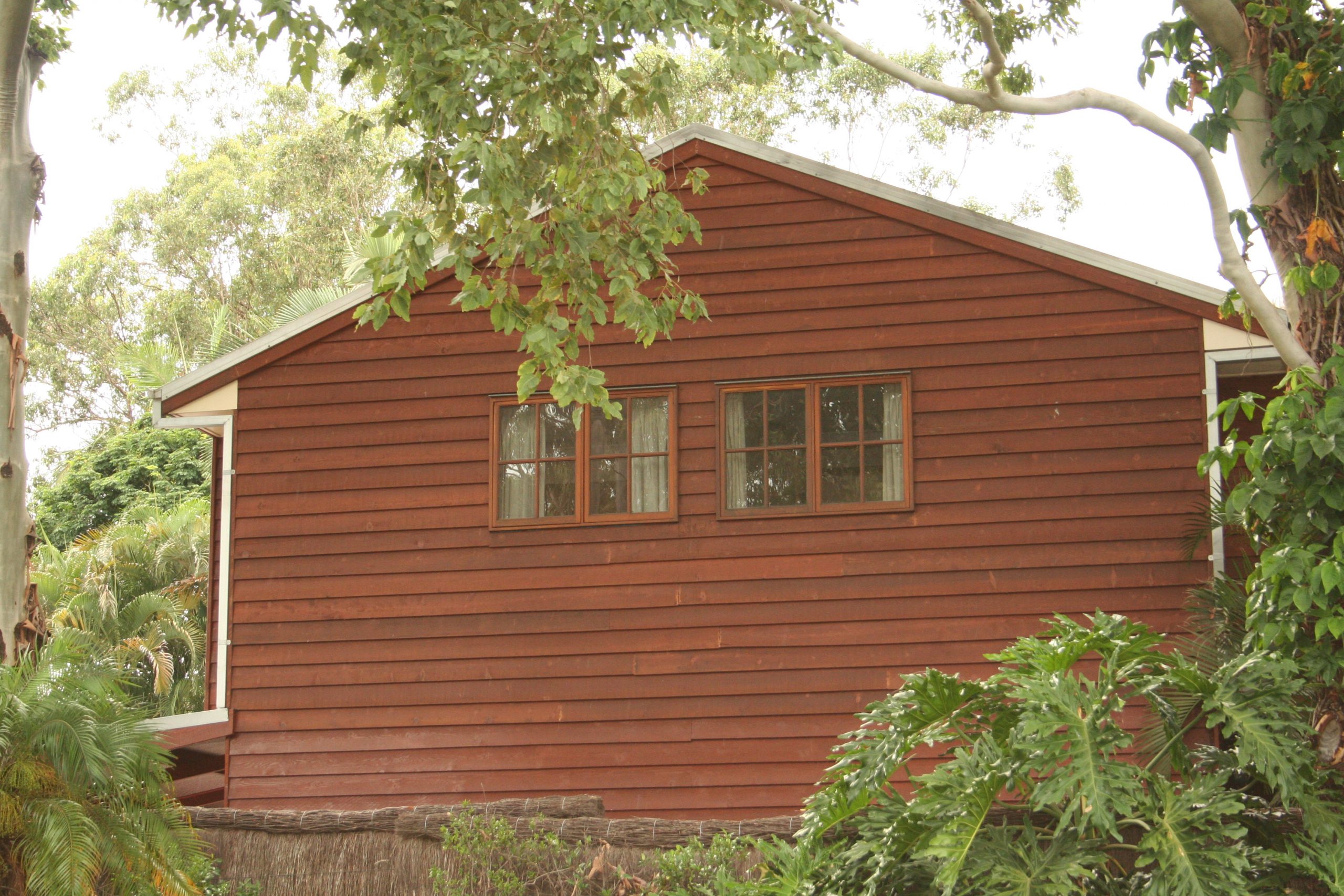
– Bevel-back (chamferboard) is the profile synonymous with Australian domestic architecture. Its tapered cross-section creates the deep, raking shadow line that remains as compelling today as it was 150 years ago.
– Rusticated weatherboard produces bolder, more defined horizontal lines with a stepped rebated edge that suits renovations where a slightly more formal facade character is desired.
– Shiplap uses interlocking edges to create a flush, planar surface with a subtle shadow line suited to contemporary residential and coastal projects.
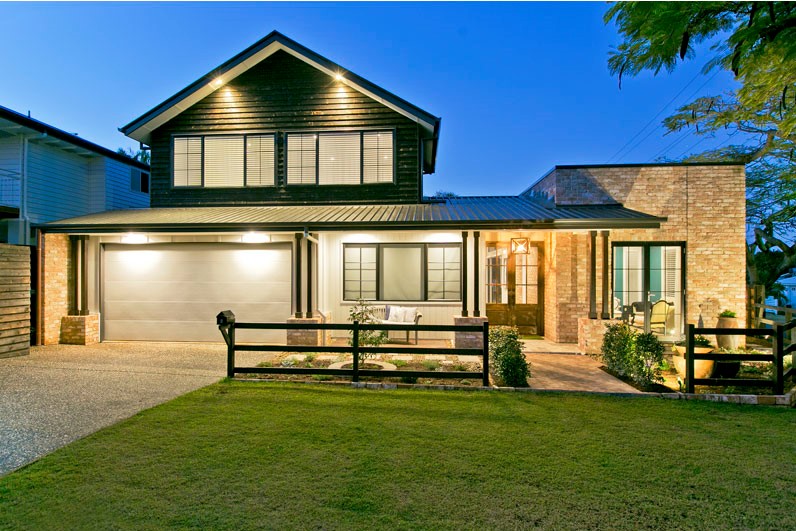
– Board and batten alternates wide vertical boards with narrow cover strips. It has become one of the defining profiles of contemporary Australian architecture over the past decade, particularly on rural and coastal new builds seeking a bold statement.
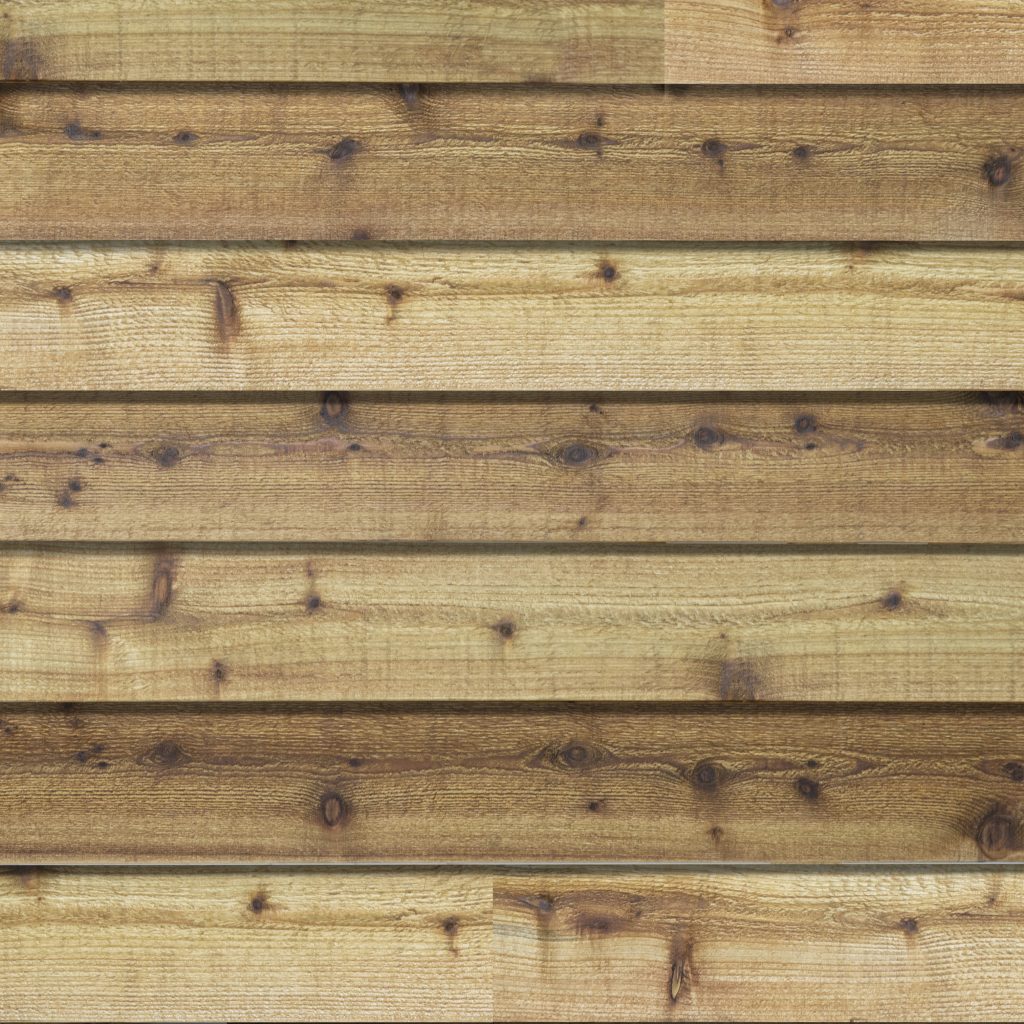
Modinex’s Cedar Knotty Bandsawn weatherboard delivers tight, repeated shadow lines that read as contemporary while retaining the warmth and authenticity of natural timber.
The Weatherboard Materials: A Guide for Australian Conditionss
| Timber | Aluminium | Fibre cement | Composite | |
|---|---|---|---|---|
| Natural appearance | Excellent | Partial | Partial | Partial |
| Lifespan | 15–40+ years | 40+ years | 50+ years | 20–30 years |
| Maintenance | Oil/stain every 3–5 years | Occasional clean | Occasional clean | Minimal |
| Fire resistance | Group 3; Group 1 with treatment | Non-combustible | BAL-rated options | Varies |
| Sustainability | High | Recyclable | Moderate | Recycled content |
| Best for | Heritage, contemporary, coastal, prestige | Coastal, commercial, bushfire zones | Durable residential | Low-maintenance residential |
Timber
Timber is the material from which the weatherboard tradition was built. No manufactured alternative replicates the depth of grain and warmth of tone. Modinex’s weatherboard profiles use Western Red Cedar, offering natural decay resistance without preservative treatment, outstanding dimensional stability, and a lightweight density that simplifies installation.
Aluminium
This is the low-maintenance alternative for contemporary projects where ongoing timber care isn’t practical. Its natural oxide layer resists corrosion in coastal salt-spray environments, and powder-coated finishes offer a wide colour range, including timber-grain options. Non-combustible, making it suitable for bushfire-prone areas.
Fibre cement
This product combines cement, cellulose fibres, and sand to deliver a 50+ year lifespan resistant to moisture, rot, and termites. BAL-rated profiles are available for bushfire zones. It lacks the grain depth of timber up close, but it is a strong choice where performance and longevity are the primary drivers.
Composite blends
These mix wood fibres with recycled polymer content, resisting moisture, rot, and insects with minimal maintenance. Well-suited to homeowners who want a timber-adjacent aesthetic without the upkeep.
Benefits of Weatherboard for Australian Homes
Weather protection: The overlapping profile channels water away from the wall cavity, and the batten-created air gap allows any moisture that does penetrate to dry out.
Thermal performance: The ventilated air gap adds thermal resistance, and timber’s cellular structure is itself a natural insulator. Combined with wall cavity insulation, a well-specified timber weatherboard system contributes meaningfully to energy efficiency.
Sustainability: Timber is the only major building material that actively sequesters carbon. Each cubic metre of sustainably sourced timber used in place of alternative materials saves approximately 0.9 tonnes of CO₂ equivalent. Modinex manufactures with a zero-waste process and uses ultra-low VOC coatings throughout.
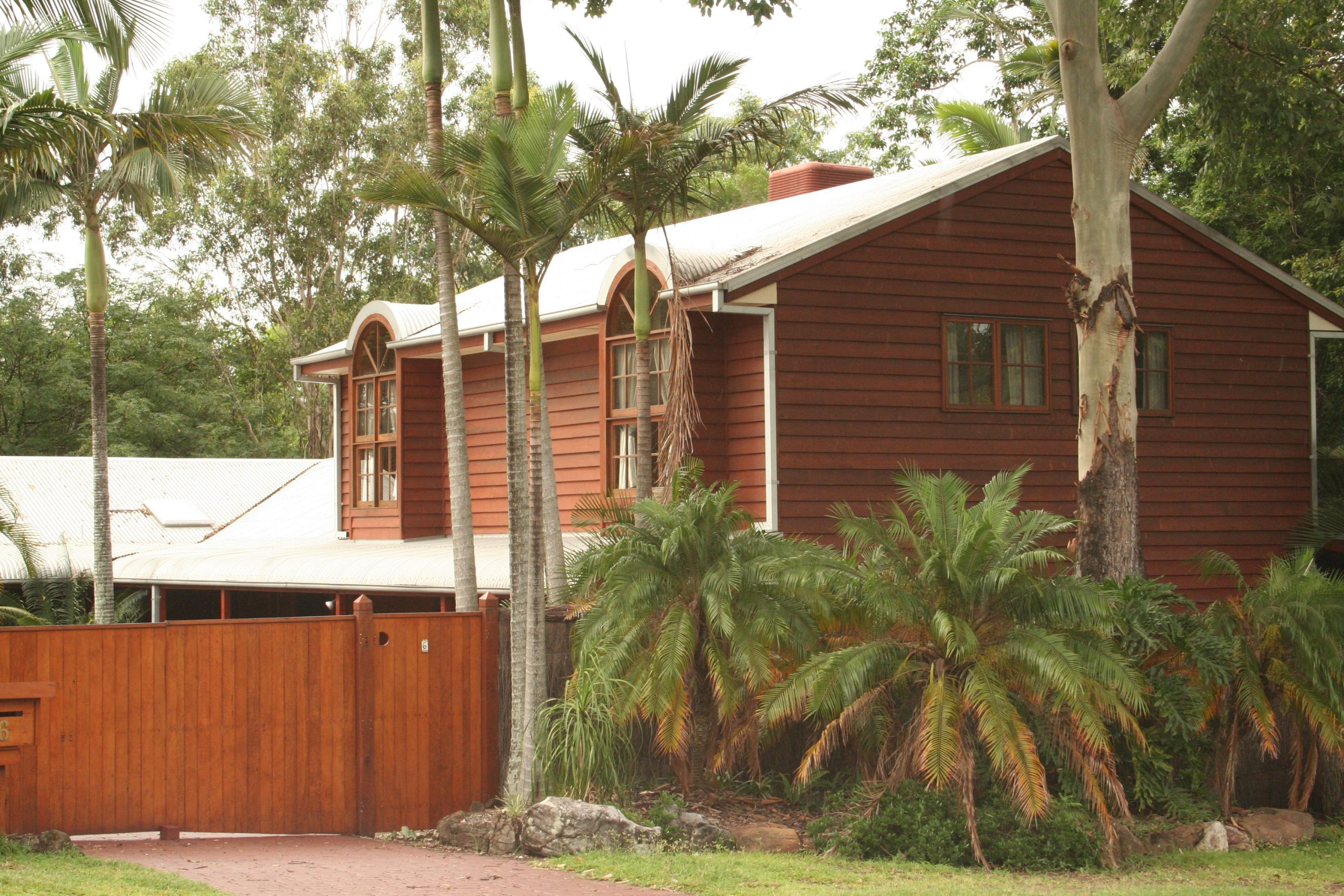
Architectural range: Weatherboard spans a wider architectural range than almost any other cladding. The same overlapping-board logic connects a Victorian worker’s cottage and a sharp contemporary coastal build.
Maintenance and Longevity
| Material | Finish cycle | Lifespan |
|---|---|---|
| Timber | Oil/stain every 3–5 years; repaint every 5–10 years | 7–15 years baseline; significantly longer with maintenance |
| Aluminium | Wash periodically | 40+ years |
| Fibre cement | Repaint every 8–12 years | 50+ years |
| Composite | Wash periodically | 20–30 years |
For timber, annual inspections are the foundation of a good maintenance programme. Check for cracked or lifting boards, failed caulk at windows and penetrations, and stain or paint failure at board ends and bases where moisture exposure is highest. Early identification means early, inexpensive intervention.
Our factory-applied finishes offer a big advantage here, achieving penetration and coverage that is difficult to replicate on-site, extending the maintenance cycle by two to three times compared to site-applied coatings.

Ready to Explore Your Options?
Whether you’re restoring a Federation bungalow to its original character or designing a contemporary coastal build from the ground up, there’s a profile, material, and finish combination that suits your project.
At Modinex, we specialise in premium architectural timber weatherboard, with Western Red Cedar profiles available in smooth and rustic finishes to suit both heritage and modern applications.
Request a sample, download technical specifications, or speak with one of our timber specialists to find the right solution for your project.
FAQs
What is the best weatherboard material for coastal Australian homes?
Western Red Cedar Select Tight Knot is an excellent coastal choice. Its natural oils resist moisture, and its dimensional stability limits the swelling and shrinkage that causes paint failure.
Does weatherboard cladding provide insulation?
Weatherboard contributes to thermal performance through the ventilated air gap behind the boards and, in the case of timber, through the material’s own insulating cellular structure.
Can I match weatherboard profiles for a heritage renovation?
Yes. Modinex’s timber profiles include bevel-back options suited to Victorian, Federation, and interwar homes. Request a sample to compare against your existing cladding before specifying.
Article By Joel Leitch | 19 December 2025

Joel Leitch
Project Consultant
Joel is an integral team member of NSW projects division with over a decade as a consultant to architects and builders. With extensive experience as a head of projects, Joel Leitch combines deep knowledge of natural timber, aluminium, and concrete to provide innovative and inspiring design solutions.
