 1800 156 455
What is Kiln Dried Timber
What is Kiln Dried Timber
Kiln drying is an impressive process that removes about 90% of timber’s moisture content.
This intensive drying method saves millions of dollars annually by protecting wood from warping, twisting and shrinking.
Find out more about kiln dried timber and its process below.
What is the Process
Kiln drying timber takes place in a controlled environment. Temperature, humidity, and air circulation work together to remove moisture from the wood.
A conventional kiln runs at temperatures between 50°C and 85°C, which creates the perfect setting for moisture extraction.
Fresh cut timber contains more than 50% moisture when it first enters the kiln. The drying process targets two types of moisture: free water in cell cavities and bound water in cell walls.
The fibre saturation point happens when all free water is gone but the cell walls stay saturated. This typically occurs at 25-30% moisture content.
There are many types of kilns, each with their own distinct process for removing moisture:
– Conventional kilns: Use steam flowing through pipes to heat the chamber. They are a traditional and widely used method for drying timber.
– Dehumidification kilns: Use heat pump systems to recycle heat while removing moisture. They operate at lower temperatures (35°C to 37.78°C) and are popular due to their energy efficiency.
– Vacuum kilns: Use lower air pressure, allowing moisture to escape from the wood more easily at lower temperatures. This method is faster and more efficient for certain types of wood.
– Solar kilns: Rely on natural solar energy to dry timber. While environmentally friendly, their effectiveness depends on weather conditions and sunlight availability.
Benefits of Using Kiln Dried Timber
Better stability
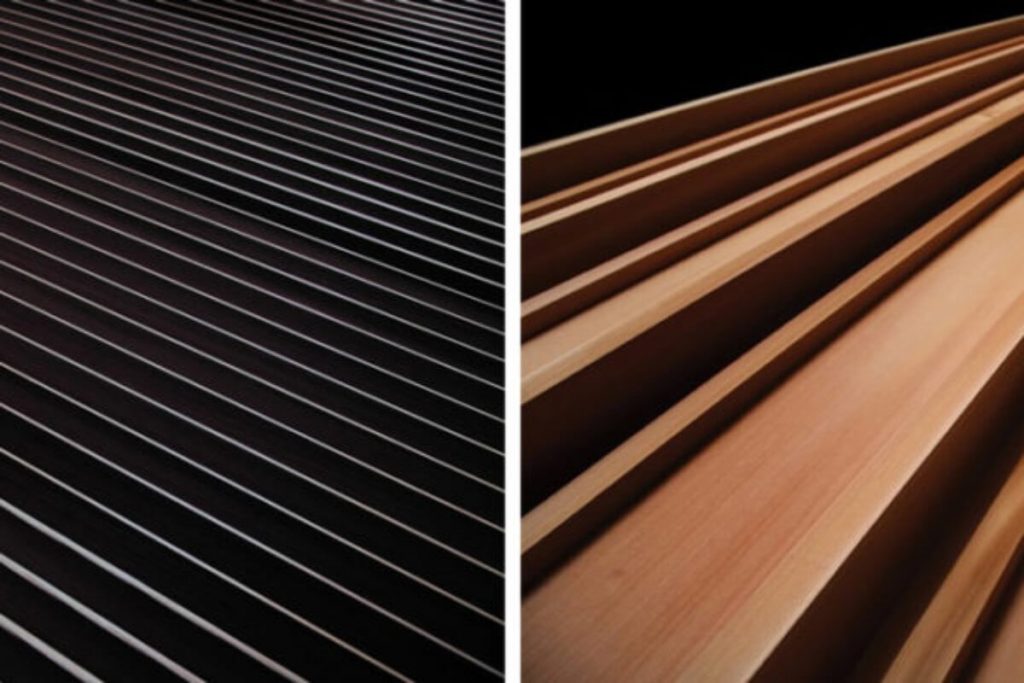
Wood fibres become stronger through the kiln drying process. This creates timber that keeps its shape as time passes, resisting its natural tendency to warp, twist and buckle over time. This improved stability makes it valuable when you need exact measurements and lasting structural integrity.
Reduced moisture content
Achieving the correct moisture level in kiln dried timber stops common problems like shrinkage and expansion. Each piece dries evenly, which removes the moisture pockets you often find in air-dried timber. The consistent moisture also helps adhesives stick better and lowers the chance of joint failures.
Protection from pests
Kiln-dried timber’s resistance to biological threats is one of its best features. High temperatures of 56°C for 30 minutes kill insects, their eggs, and larvae. The heat treatment also destroys fungi and mould. Thus, the wood stays free from unwanted organisms that could damage its integrity.
Common Uses Around the Home
Kiln dried timber is a versatile building material well suited for many home projects. You’ll find it in beautiful indoor flooring and reliable outdoor structures.
Flooring options
Kiln dried timber makes for excellent flooring material because it maintains a 6-8% consistent moisture content. You can choose from several popular options:
– Solid hardwood tongue and groove flooring
– Parquetry blocks to create sophisticated patterns
– Wide plank flooring that gives modern aesthetics
Natural feature grade flooring has become incredibly popular. What was once considered waste twenty years ago is now a legitimate and credible timber product. This grade shows off wood’s natural beauty while staying structurally sound.
Outdoor projects
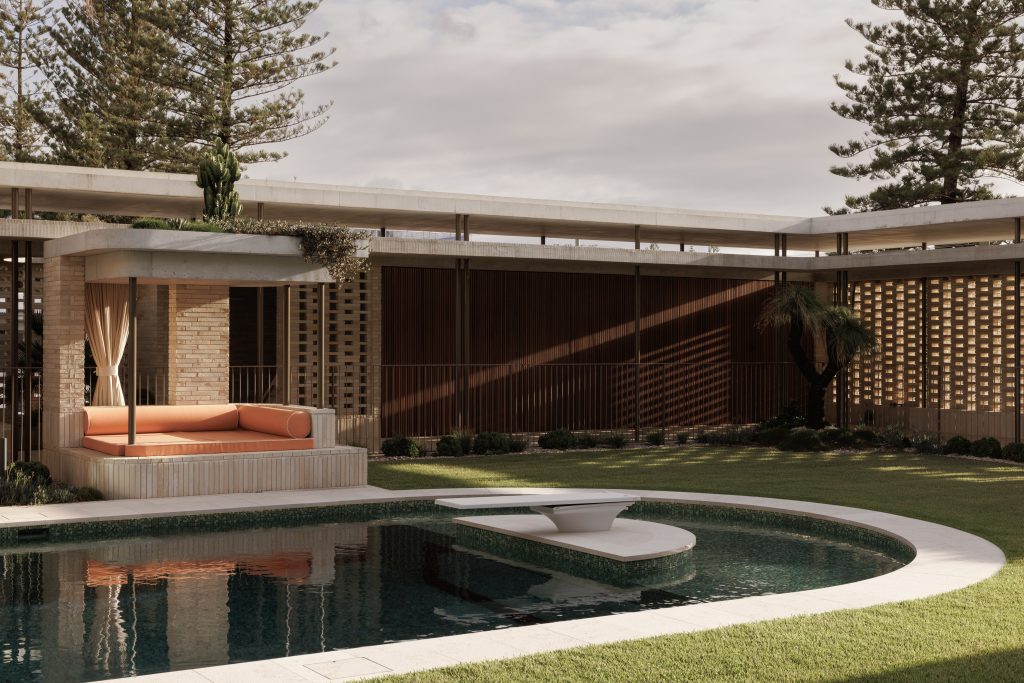
Kiln dried timber works exceptionally well outdoors, despite what many people think. It’s perfect for decking projects because its stability helps prevent warping when conditions get wet. The controlled drying process means the timber keeps its shape even as weather conditions change. However, you should still properly seal kiln dried timber that is being used outdoors to protect it against moisture and weather elements.
Common Timber Cladding Issues
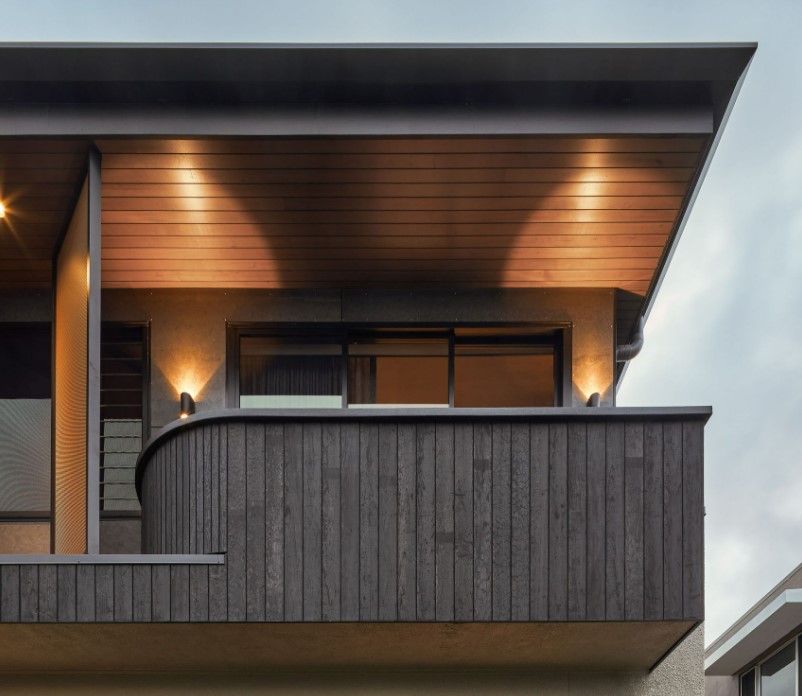
Choosing the right kiln dried timber depends on understanding wood characteristics and quality indicators. The choice between hardwoods and softwoods is a vital factor in determining timber’s suitability for specific projects.
Types available
Hardwoods, such as oak, maple, and cherry, provide superior durability and distinctive grain patterns that make them perfect for furniture and flooring. To dry properly, these woods need kiln temperatures between 65 and 90 °C. Hardwoods dried to 6-8% moisture content deliver excellent stability for interior projects.
Pine and cedar, being softwoods, dry faster at temperatures between 70-100°C. Softwoods can maintain slightly higher moisture levels and still perform well in construction and outdoor applications.
What to look for
- Moisture content: Use a moisture meter to ensure consistent readings across the piece. For interior applications, aim for a moisture content of 6-8%.
- Visual inspection: The wood should have uniform colour and smooth texture without raised grain.
- Structural integrity: Look for timber that lies flat without twists or bows.
Your timber’s intended use should guide your selection process. For instance, flooring or ceiling materials require higher durability and stability compared to construction timber. Wood density also plays a key role—lighter woods dry faster and are easier to work with, while denser varieties offer greater strength but may require more careful drying.
Find Your Timber Solution at Modinex
Modinex offers a range of kiln dried timber products that can transform your next project. Browse our range of timber applications, from wood panels to cladding for exterior designs – We have a solution for you.
Article By Joel Leitch | 19 December 2025

Joel Leitch
Project Consultant
Joel is an integral team member of NSW projects division with over a decade as a consultant to architects and builders. With extensive experience as a head of projects, Joel Leitch combines deep knowledge of natural timber, aluminium, and concrete to provide innovative and inspiring design solutions.
