 1800 156 455
Timber vs Aluminium Cladding
Timber vs Aluminium Cladding
Factors to Consider When Choosing Decking Timber
When it comes to cladding and battens, the choice between timber and aluminium can shape the entire look and performance of your property.
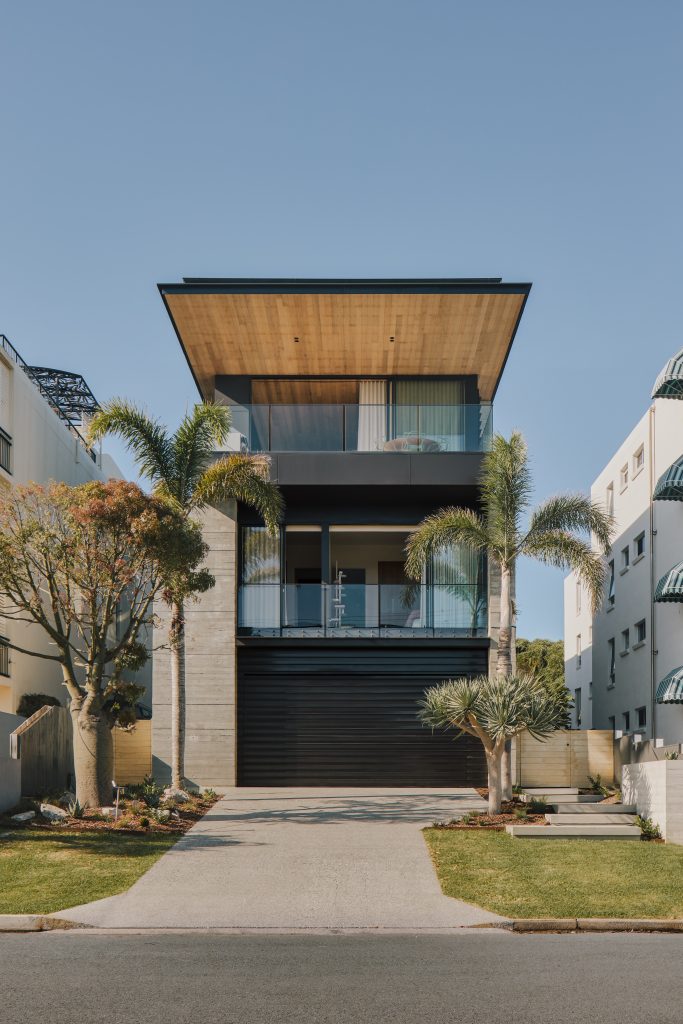
Timber battens bring warmth and natural character, while timber-look aluminium offers a sleek, low-maintenance alternative that stands up to Australia’s harsh climate.
Each material has its strengths. Timber appeals to those drawn to authentic texture and sustainability — it’s a renewable resource that stores carbon throughout its life. Aluminium, on the other hand, is built for durability.
It won’t rot, rust or split, and often comes with 15 to 25-year warranties. Coastal properties in particular benefit from powder-coated, marine-grade aluminium battens with UV-stable finishes.
Whether you’re drawn to the timeless appeal of timber or the modern convenience of aluminium, your final decision will come down to factors like design goals, maintenance expectations, fire ratings and environmental impact.
This guide breaks down the pros and cons to help you choose the best fit for your home.
Aesthetic and Sensory Appeal
Natural timber battens showcase beauty that can’t be matched. Every piece tells its own story through unique grain patterns, knots, and subtle colour shifts that create rich, living surfaces.
This raw character brings depth and warmth to architectural designs and connects spaces with nature. Different wood species like cedar, pine, and oak deliver timeless looks that work perfectly in both modern and classic designs.
Timber does more than just look good. Its natural texture and warmth create welcoming spaces that feel alive and grounded. The wood’s natural sound absorption makes it better than most building materials at creating comfortable acoustic environments.
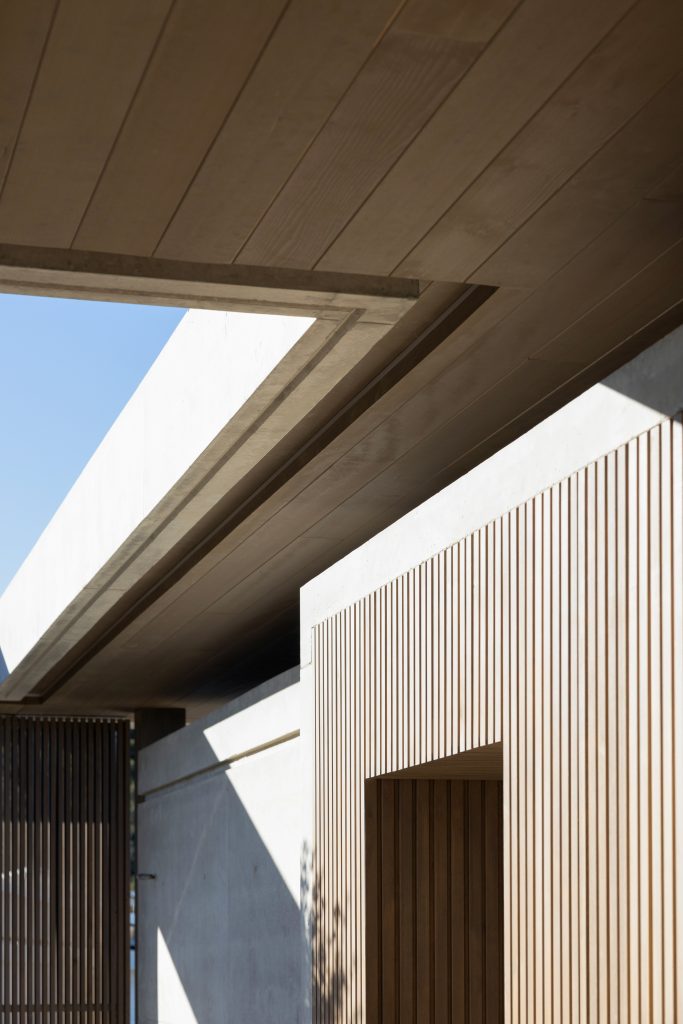
Timber-look aluminium battens bring amazing design flexibility. New manufacturing methods can copy wood’s visual features with remarkable detail.
The Austratus range uses special sublimation techniques to transfer realistic timber patterns onto powder-coated aluminium. These patterns bond permanently with the base material.
Aluminium systems now come with embossed grain textures that feel warm when touched. The patterns repeat only every 1,200mm and blend so well that you can barely spot the repetition in large installations.
Aluminium battens also maintain exact dimensions and spacing that let architects create unique visual rhythms and custom designs.
Modern timber-look aluminium cladding works great when projects need both visual appeal and practical performance. It captures wood’s soul and beauty without the upkeep worries that come with natural timber.
Durability, Fire Safety and Maintenance
The right cladding for Australian conditions depends heavily on durability. Timber battens look great but they need specific care to stay in good shape.
Most timber types require protective finishes or oils to maintain their look. External applications require maintenance every 6–12 months. Semi-transparent coatings need fresh applications every 2–4 years. Quality paint systems can last 8–12 years.
Timber-look aluminium battens last much longer and need minimal care. Aluminium’s corrosion-resistant properties help it stay beautiful with little maintenance.
Many manufacturers back their products with extensive warranties. Structural warranties can extend up to 25 years, while fade-resistant finishes come with 15-year guarantees. Aluminium resists warping, splitting, cracking, and rotting.
Fire safety is a vital factor, especially when you have Australian bushfire-prone areas. Australian Standards (AS1530.1 and AS1530.3) rate aluminium cladding as non-combustible.
This makes it suitable for all Bushfire Attack Level (BAL) zones, including the highest risk BAL-FZ areas. Fire exposure only chars the powder coating on aluminium instead of spreading flames.
Timber remains a good choice for many projects despite these differences. Some Australian hardwood species naturally resist fire and decay.
Timber that has a density of 750 kg/m³ or greater at 12% moisture content works well in BAL-29 zones. Species like spotted gum, blackbutt, and ironbark show better bushfire resistance.
Aluminium cladding proves outstanding for coastal properties and extreme weather areas. It handles rain, humidity, and coastal air without breaking down.
This makes it perfect for challenging Australian environments. Aluminium cladding can last up to 60 years with basic maintenance. Even an annual wash down keeps it in great shape.
Designers can pick the best solution based on their project’s needs, location, and maintenance priorities since both materials show unique performance characteristics.
Environmental and Design Considerations
Sustainability is a top priority for many property owners, and timber has a clear edge as a renewable resource.
Trees absorb carbon dioxide as they grow, locking it away for the life of the product, helping reduce greenhouse gases in the atmosphere. Timber also excels in thermal performance. Its cellular structure naturally insulates, making it 800 times more effective than aluminium at regulating indoor temperatures.
That means lower energy bills and a smaller carbon footprint.
Aluminium cladding offers its own eco-friendly advantages. While it takes more energy to produce, it’s 100% recyclable and incredibly durable, which means fewer replacements, less waste and long-term resource savings.
Marine-grade, powder-coated finishes also stand up to harsh coastal conditions and UV exposure with minimal upkeep.
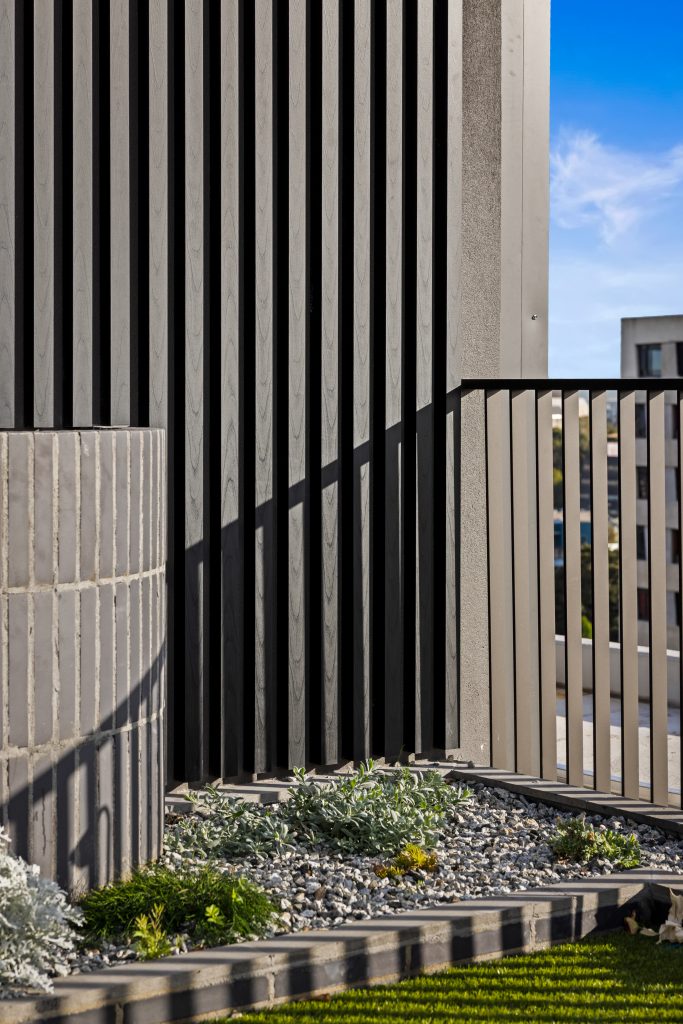
From a design perspective, timber is easy to cut, shape and customise, while aluminium systems come in over 200 RAL colours and multiple profiles, many of which let you choose different finishes for interior and exterior surfaces.
Timber-look aluminium even mimics the grain and warmth of wood with none of the upkeep.
However, the production footprint is worth considering. Aluminium weatherboards require up to 2,000% more energy to manufacture than timber, and emit 1,300% more CO₂ per unit.
On the other hand, light timber framing allows more insulation between structural members without increasing wall thickness, further boosting thermal efficiency.
Ultimately, the best option depends on your project’s needs, whether you prioritise low maintenance, natural aesthetics, energy savings or sustainability.
Comparison Table
| Characteristic | Timber | Aluminium |
|---|---|---|
| Aesthetic Features |
– Natural wood patterns and knots – Rich colour variations – Warm touch feel – Better sound absorption |
– Wood-like finishes – Textured grain patterns – Standard dimensions – Patterns repeat every 1200mm |
| Durability |
– Depends on wood species – Needs protective coating – Works well in many settings |
– No rotting, rusting, or splitting – Resists weather and corrosion – Lasts up to 60 years – Marine-grade options available |
| Maintenance Requirements |
– External care needed every 6–12 months – New coating every 2–4 years – Paint lasts 8–12 years |
– Low maintenance needs – Just wash once a year – 15–25 year warranty coverage |
| Fire Safety |
– Select hardwoods work in BAL-29 zones – Woods with ≥750 kg/m³ density resist bushfires |
– Non-combustible (AS1530.1 and AS1530.3) – Works in all BAL zones – Only chars during fire exposure |
| Environmental Impact |
– Sustainable resource – Stores carbon – 800× better insulation than aluminium – Uses less embodied energy |
– Fully recyclable – Extended lifespan – Two-colour options – Multiple profile choices |
| Thermal Performance |
– Natural insulating properties – Air gaps create thermal barriers – Extra insulation possible |
– No specific mention – Over 200 RAL shade options – Handles extreme weather well |
Make the Right Choice for Your Climate, Style and Budget with Modinex
Whether you’re designing a warm, welcoming space or building for tough Australian conditions, your choice between timber and aluminium battens should reflect your project’s priorities.
Timber offers timeless appeal, acoustic comfort and superior insulation as well as genuine sustainability benefits. Aluminium, meanwhile, shines in durability, fire safety and minimal upkeep, especially near the coast or in high-risk areas.
Whichever material you choose, make sure it aligns with your location, lifestyle and long-term goals.
Talk to your architect or supplier about the best batten or cladding system for your space and create a finish that’s built to last.
Article By Joel Leitch | 27 October 2025

Joel Leitch
Project Consultant
Joel is an integral team member of NSW projects division with over a decade as a consultant to architects and builders. With extensive experience as a head of projects, Joel Leitch combines deep knowledge of natural timber, aluminium, and concrete to provide innovative and inspiring design solutions.
