 1800 156 455
The Benefits of Aluminium Cladding for Australian Projects
The Benefits of Aluminium Cladding for Australian Projects
Aluminium cladding has become one of the most specified facade materials in Australia.
For residential, commercial and multi-residential projects operating in demanding Australian conditions, it consistently outperforms the alternatives.
If you’re evaluating whether aluminium cladding is the right choice for your project, this article covers everything you need to know.
Why Aluminium Cladding Is Growing in Popularity
Australian conditions can be rough on buildings. UV radiation, salty coastal air, high humidity, bushfire risk, and wide temperature swings pose challenges that not every facade material is equipped to handle. Aluminium is one of the few materials that is.
Its growing use across residential alfresco areas, commercial facades, multi-residential buildings and coastal properties reflects how it performs where other materials struggle. Projects are increasingly using it not just because it looks good, but because it keeps looking good without the ongoing intervention that other materials require.
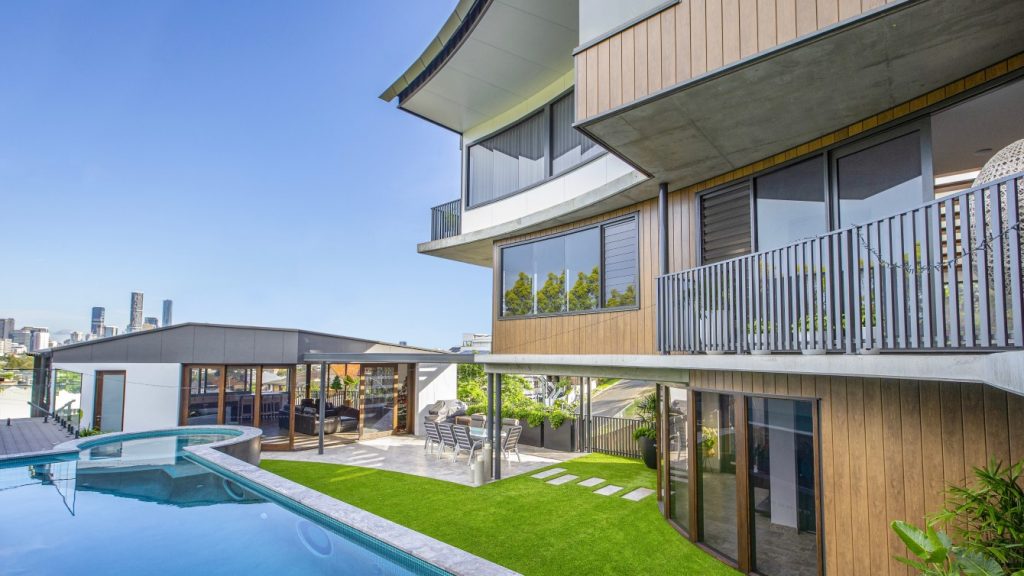

Key Benefits of Aluminium Cladding
Durability in Australian conditions
Aluminium doesn’t rot, warp, crack or splinter, and it has no organic component for moisture or pests to break down. In coastal environments where salt spray is a constant factor, powder-coated aluminium holds its finish and structural integrity without corroding.
In high-UV environments, quality powder-coated finishes maintain their colour without fading or chalking, unlike paint on other substrates. Premium finishes carry warranties of up to 25 years, which reflects genuine confidence in long-term performance.
Low maintenance
This is the practical benefit that matters most over the life of an installation. Timber cladding requires regular staining, sealing, inspection for rot and treatment for pests. Aluminium needs none of that. An occasional wash with water is all the maintenance a powder-coated aluminium cladding system typically requires.
Non-combustible performance
Aluminium is non-combustible by nature. In bushfire-prone areas, where BAL ratings determine what materials can be used on a building’s exterior, that removes a variable that even fire-treated timber can’t fully eliminate. For architects and project managers working through fire compliance on BAL-rated sites, specifying non-combustible cladding simplifies the certification process considerably.
In commercial and multi-residential projects, non-combustible facade materials also reduce complexity in meeting the National Construction Code requirements.
Lightweight and easy to install
Aluminium is significantly lighter than most comparable facade materials, which has practical implications for structural loading, transport and installation. Lighter cladding means less load on wall framing and substructure, which can simplify engineering and reduce overall project cost. For renovations and retrofits where adding significant weight to an existing structure is a concern, aluminium cladding is often the most practical option.
Recyclability
Aluminium is one of the most recyclable materials in the construction industry. It can be recycled repeatedly without loss of quality, and recycled aluminium requires significantly less energy to produce than primary aluminium. It’s a material with a clear end-of-life pathway that other facade materials can’t match.
Where Aluminium Cladding Works Best
Coastal and marine environments
Salt air and humidity are the most aggressive conditions a facade material can face. Aluminium’s corrosion resistance makes it the default specification for coastal properties where long-term performance matters and frequent maintenance isn’t practical.
Bushfire-prone areas
BAL-rated sites require non-combustible materials in many external applications. Aluminium naturally meets that requirement, without the additional treatments or certifications that fire-resistant timber products require.
Commercial facades and multi-residential buildings
High-traffic buildings with long service life requirements, regular cleaning regimes and fire compliance obligations are where aluminium’s properties align most directly with practical need. Aluminium cladding systems are widely used across commercial office buildings, retail centres, hospitality fitouts and multi-residential facades for exactly this reason.
Residential alfresco and outdoor entertaining
Outdoor entertaining areas are where the case for aluminium is easiest to make to homeowners. A timber ceiling or wall cladding in an alfresco needs maintenance. An aluminium one doesn’t. The finish quality and available design options mean you’re not sacrificing aesthetics to achieve that outcome.
Profile Options
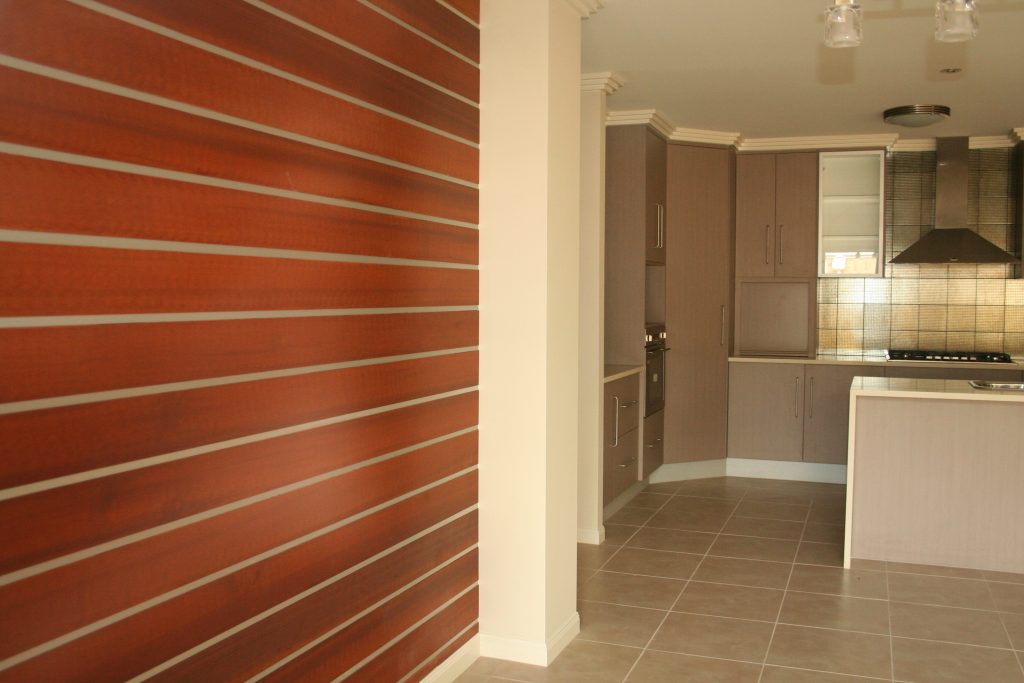
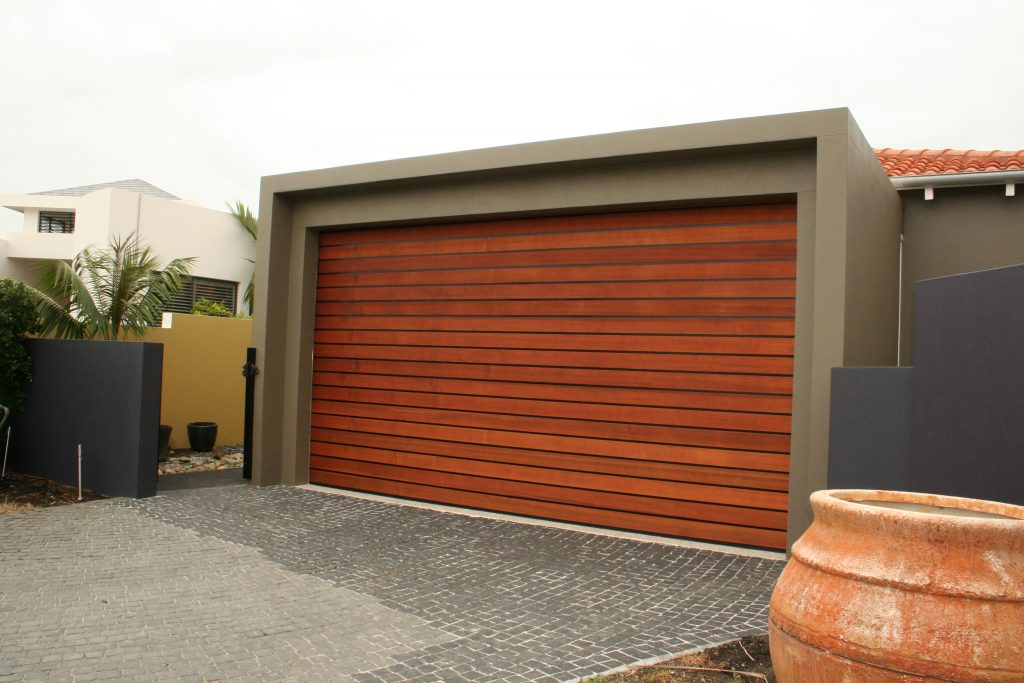
Aluminium cladding is available in a range of profiles to suit different design intentions. Linear batten systems, like the Alu Batten, create the rhythmic shadow lines and visual depth that make batten ceilings and facades so appealing, in a material that performs better in demanding environments than timber. Panel systems like the Austratus Linear Aluminium suit applications where a cleaner, more continuous surface is the design intent.
For ceiling and interior applications, aluminium ceiling panels and battens offer the same performance advantages in overhead applications, with profiles suited to both residential and commercial interior environments.
The Right Material for the Right Project
Aluminium cladding isn’t the answer to every project, but its durability, fire performance, low maintenance and design flexibility make it the logical specification where long-term performance matters.
If you’re working through a specification decision and want to see the finished quality in person, the most useful next step is to request a sample.
Reach out to the Modinex team to discuss your project or request samples today.
FAQs for Aluminium Cladding
Is aluminium cladding expensive?
The upfront cost of aluminium cladding is higher than some alternatives, including many timber options. However, when you factor in zero ongoing maintenance, no repainting, no re-staining, no pest treatments, and a product that is expected to perform for decades, the cost comparison shifts significantly.
Does aluminium cladding rust?
No. Aluminium doesn’t rust. It forms a natural oxide layer when exposed to the elements, and this layer is stable and actually protects the underlying material rather than degrading it. Combined with a powder-coated finish, aluminium cladding is highly resistant to corrosion, including in coastal environments where salt air would accelerate rust on steel.
How does aluminium cladding compare to timber?
The answer depends on what your project needs. Aluminium outperforms timber in exposed, moisture-prone, fire-sensitive and high-maintenance environments. Timber outperforms aluminium in interior settings where acoustic performance, material warmth and the authenticity of a natural material are the priority. Modinex supplies both, and the right choice depends on the specifics of your project.
What are the disadvantages of aluminium cladding?
The main considerations are upfront cost and, in interior settings, the feel of the material. Aluminium costs more than timber at the point of purchase. While modern timber-look finishes are genuinely convincing, not all technologies achieve the same result. Traditional sublimated finishes rely on a printed timber pattern applied to the surface and can appear flat on close inspection, as they do not replicate the texture of natural timber. Powder-on-powder coating systems, like the one used for our timber-grain aluminium range, create texture and depth that more closely resemble the appearance and tactile qualities of real timber while retaining the durability and low-maintenance benefits of aluminium. These are real trade-offs worth considering alongside aluminium’s performance advantages.
Article By Joel Leitch | 19 December 2025

Joel Leitch
Project Consultant
Joel is an integral team member of NSW projects division with over a decade as a consultant to architects and builders. With extensive experience as a head of projects, Joel Leitch combines deep knowledge of natural timber, aluminium, and concrete to provide innovative and inspiring design solutions.
