 1800 156 455
House Cladding Options
House Cladding Options
Your choice of cladding makes a big difference in how long it will last, what it looks like, and what you’ll pay. But picking the right cladding goes beyond just appearances.
The right materials should keep water out and shield your home from harsh weather while providing good insulation.
House cladding types range from DIY-friendly lightweight timber to sturdy aluminium and masonry options. Each material has its own strengths.
Weatherboard stands out as the most budget-friendly choice. Some options need almost no upkeep.
In this article, we’ll cover everything about picking the perfect cladding for your home, from costs and installation to maintenance needs over time.
Understanding House Cladding
Your home’s cladding makes a strong visual statement while protecting it. The cladding system combines two key parts: the wall system (e.g., lightweight timber framing) and the cladding layers.
External cladding mainly protects your home from water damage and weather across exterior wall panels. It also helps with sound insulation, temperature control, and fire resistance.
The right cladding material depends on your climate and location as different materials work better in different conditions. Some handle sun, wind, or rain better, while others work best in protected spots. Breathable cladding works great under deep verandas where the outer walls don’t need complete sealing.
The type of cladding you pick will shape your home’s look. There are many options available, from horizontal boards to sheet materials and overlapping panels. These create different textures, colours, and finishes. The colour of your cladding also affects how much heat it absorbs or reflects. Light colours and reflective finishes work better in most Australian climates.
Timber Cladding Options
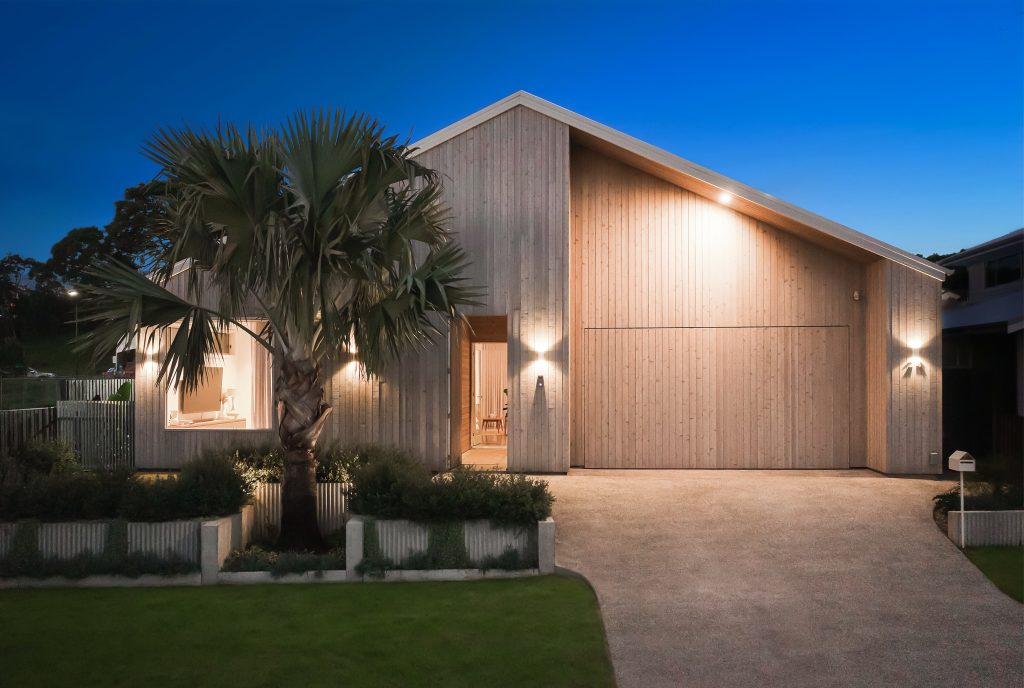
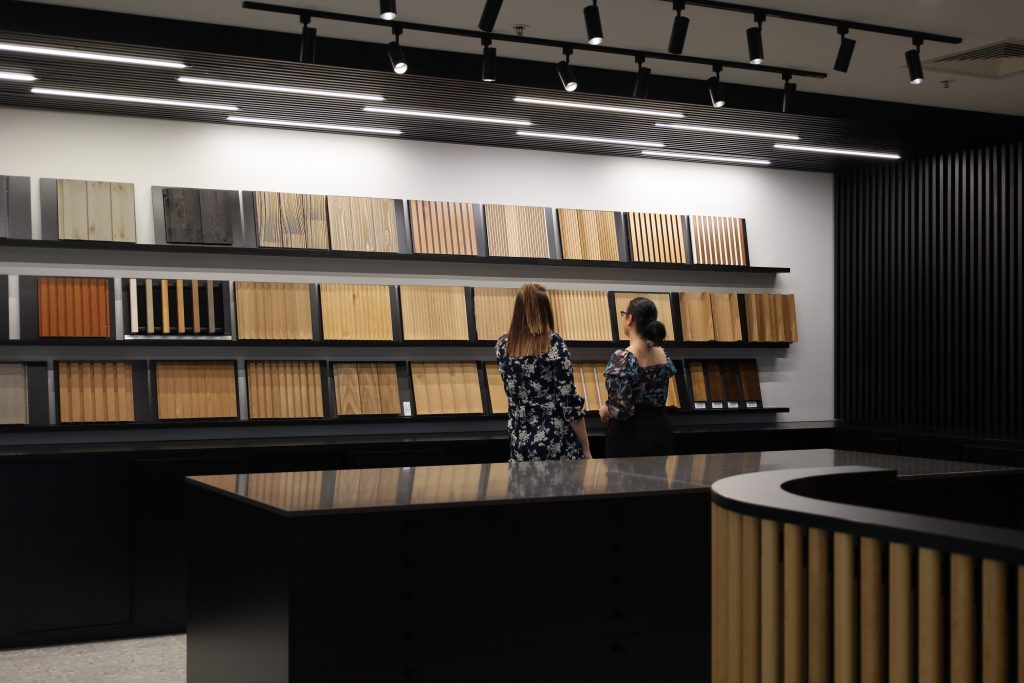
Timber stands out as one of the most versatile and in-demand timber cladding options for Australian homes. It combines natural beauty with practical benefits. Unlike manufactured alternatives, timber cladding showcases unique character through its varied grain patterns and textures that age beautifully.
Softwood Cladding
The term “softwood cladding” doesn’t mean that the wood is soft. It actually refers to timber that comes from coniferous trees with uncovered seeds. Western Red Cedar leads the premium softwood category because of its stunning colour variation and natural resistance to decay. This stable, lightweight timber fights off destructive forces naturally, which makes it perfect for exterior applications.
Douglas Fir shows outstanding resilience with its wild, interesting grain pattern. It resists scratches better than many alternatives. Heat treatment can boost softwood performance significantly. Products like Thermo-pine go through this process to improve stability and outdoor durability. They end up looking similar to darker tropical species.
Hardwood Cladding
Hardwood cladding comes from broadleaf trees that have covered seeds. These woods typically exhibit greater density and darker colours, and they last longer.
Australian natives such as Spotted Gum and Ironbark excel in harsh conditions. They boast impressive fire resistance ratings up to BAL-29. These species look striking and naturally resist termites, which makes them ideal for challenging environments.
Hardwoods cost more than softwoods but their durability makes them worth the investment. Both options deliver excellent performance. Hardwoods might cost more upfront but they need less frequent maintenance.
Aluminium Cladding Solutions
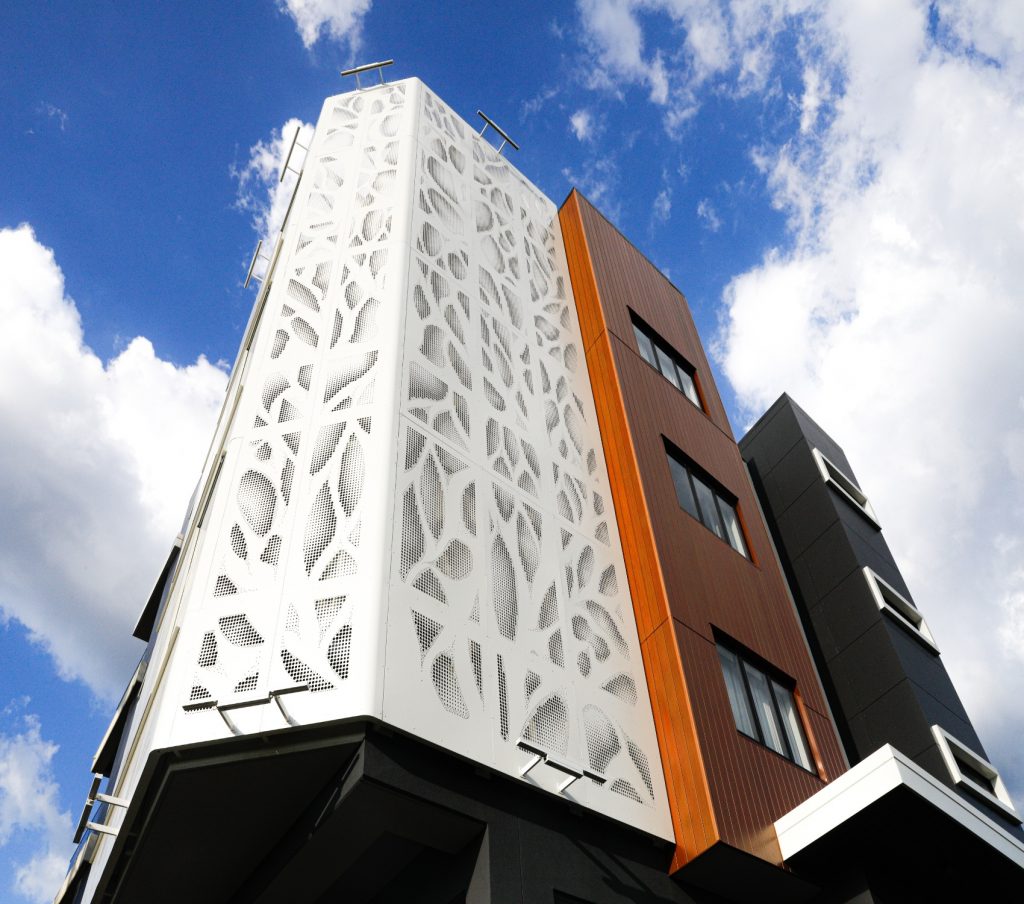
Aluminium has become one of the most popular modern cladding materials. It perfectly balances performance, aesthetics, and practicality. Homeowners looking for external cladding that combines durability with style will find aluminium a great alternative to traditional materials.
The most important advantage of aluminium is its impressive strength-to-weight ratio. It weighs one-third the weight of steel, which means manufacturers can make thicker cladding while keeping the overall weight down. This lightweight nature makes it perfect for renovation projects because you can add it to existing structures without major structural changes.
Aluminium cladding’s exceptional durability comes from its natural resistance to corrosion. The metal creates its own protective oxide coating when exposed to air, which shields it from weather elements. This self-protecting feature makes it ideal for coastal areas and places with harsh weather. Properly installed aluminium cladding can last 40-80 years and needs just occasional cleaning.
Designers and architects love aluminium’s versatility. You can find aluminium cladding in several forms:
– Solid aluminium panels (fully non-combustible)
– Flat sheets (offering industrial elegance)
– Weatherboard profiles (mimicking traditional styles)
– Timber-look finishes (providing natural aesthetics with aluminium durability)
The upfront cost of aluminium cladding might be higher than some alternatives. However, its long life, low maintenance needs, and energy-saving benefits often make it an economical solution over the building’s lifetime.

Comparison of Cladding Options
The right external cladding choice depends on how well different materials meet essential criteria. Various cladding options need evaluation based on their weight and stability features that substantially affect where they work best.
Weight & Stability
Lighter softwoods are ideal where weight matters (e.g., garage doors), offering good heat conduction and design flexibility. In contrast, hardwoods are heavier, more stable, and better suited for high-impact areas or fire-prone environments.
Fire Resistance
Cladding materials vary significantly in fire performance. Fibre cement can achieve the highest BAL-FZ rating, making it suitable for extreme bushfire zones. Aluminium performs well under moderate heat but doesn’t meet BAL-FZ standards. Hardwoods can reach BAL-29 ratings, while softwoods generally offer poor fire resistance.
Water Resistance
Metal cladding is among the most waterproof options. Brick is highly durable but requires ties, flashings, and proper drainage to remain watertight. The performance of timber weatherboards depends on their profile and stability, with horizontal systems offering better rain protection in exposed areas.
Maintenance
Aluminium panels are low maintenance, usually needing just an occasional clean. Their powdercoated finishes last around 15 years before noticeable fading. Timber cladding requires more frequent care, unless you opt for Class 1 durability hardwoods, which can naturally weather over time.
Environmental Impact
Timber cladding has one of the lowest carbon footprints, as it stores carbon and is sustainably sourced when FSC-certified. Aluminium has a higher embodied energy but is fully recyclable and has a potential lifespan of over 100 years, which balances out its initial impact.
Cost vs Longevity
The best external cladding choices strike a balance between upfront cost, visual appeal, and long-term performance. Each material has trade-offs, so your project’s design, climate, and maintenance expectations should guide the decision.
Maintenance & Longevity
Your cladding’s value depends on how long it lasts, and proper maintenance can extend its life substantially. Regular inspections play a vital role – you should get into checking most cladding at least once a year to spot problems early.
Material Lifespan Comparison
Each cladding material comes with its own lifespan. Aluminium cladding can last several decades. Timber cladding’s life varies from 10-15 years for softwoods to 25-35 years for western red cedar. High-quality composite cladding can serve you well for 25+ years or more.
Factors Affecting Durability
Weather conditions can substantially impact how long your cladding lasts. Coastal areas speed up weathering because of salt spray and higher humidity. Location matters too. Cladding under protective eaves lasts longer than walls fully exposed to elements. Regular maintenance helps extend your cladding’s life whatever material you choose.
Choosing Cladding Materials? Get Expert Advice from Modinex
Your choice of home cladding ended up depending on several key factors. Softwood gives you affordability and design flexibility. Hardwood offers superior durability and fire resistance. On top of that, it delivers exceptional longevity with minimal maintenance needs. Your specific priorities and circumstances should guide the choice between these options.
Modinex offers a range of commercial cladding products that can turn your next design into a masterpiece. Explore our range online, or contact us to design something unique to your project.
Article By Sophie Rodgers | 9 May 2025

Sophie Rodgers
Chief Marketing Officer
Sophie joined Modinex in 2024, bringing more than a decade of experience in the construction industry, with a particular focus on architectural specification development. Her deep understanding of the needs and challenges faced by architects, designers, and builders when selecting premium building materials shapes Modinex’s strategic approach to marketing and brand positioning. Sophie leads all aspects of the Modinex brand with a focus on communication, clarity, and connection.
