 1800 156 455
Fibre Cement Cladding: What You Need to Know
Fibre Cement Cladding: What You Need to Know
There’s a reason fibre cement cladding keeps showing up on project lists from residential renovations to large commercial builds.
It’s not the most talked-about material in design circles, but it does things that a lot of flashier options can’t: it holds its finish,
shrugs off the elements, and covers a wider range of compliance requirements than most.
Here’s a look at what fibre cement actually is and what projects it’s suited to.
What Is Fibre Cement Cladding?
Fibre cement is a composite material made by combining cement with cellulose fibres. The result is a panel or board that’s considerably harder-wearing than timber, resistant to moisture and fire, and tough enough to handle conditions that might shorten the lifespan of other cladding materials.
What makes it even more useful as an architectural material is how well it takes a surface finish. Fibre cement can be manufactured to mimic concrete, stone, or timber with a degree of consistency that’s difficult to achieve with the natural materials themselves. Colour is stable, profiles are uniform, and the finish arrives on site ready to go.
It’s also one of the few cladding materials that can reach the highest Bushfire Attack Level ratings, which makes it a practical choice for sites where other options simply aren’t available.
Why More Projects Are Specifying Fibre Cement
Fibre cement performs well in areas where natural materials often fall short, and it requires far less ongoing maintenance. There’s no staining, sealing or recoating cycle to manage, which is welcome news for homeowners who’d rather not think about it, as well as developers who need to hand over buildings that won’t generate complaints five years down the road.
With BAL-rated options available across the range, fibre cement opens up sites that would otherwise require a significant rethink of the materials, and it’s a simple path through NCC requirements on non-combustible external walls. It also gives large-scale projects some uniform consistency. Natural materials always vary, which is part of their charm, but that uniformity can be useful anywhere colour matching across panels matters.

The Modinex Fibre Cement and Concrete Range
Viroc
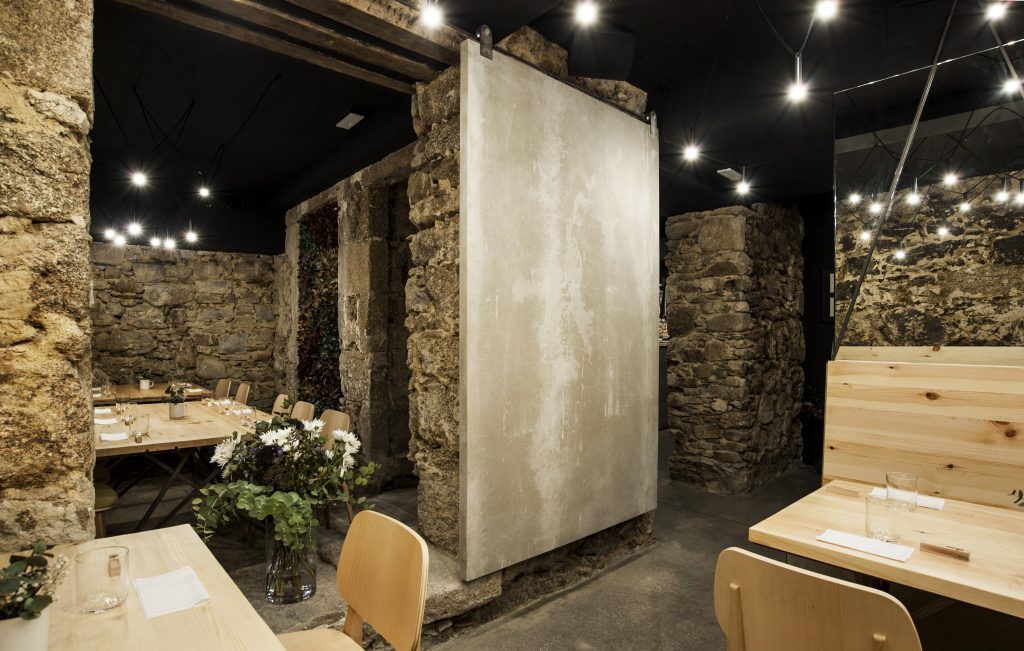
Viroc is a cement bonded particle board, giving you a panel with the workability of timber and the durability of concrete. The result is an industrial look that still has the texture of real concrete without the weight, costs, or structural complexity.
It’s that natural variation that makes Viroc particularly appealing for high-end interiors and commercial fitouts. The raw materials and manufacturing process give each board a slightly different character, helping it read as real in a way that printed concrete-effect surfaces typically don’t.
From a sustainability standpoint, Viroc is manufactured with 100% PEFC-certified recycled plantation pine, is free from asbestos, crystalline silica and pentachlorophenol, and produces zero waste in manufacturing. Any excess material goes back into cement production or is used as biofuel.
Cera Facade
Cera Facade is our ceramic-coated fibre cement panel, holding a BAL40 rating for exterior use and CodeMark certification under the NCC, which means the documentation you need is already in order. The ceramic coating keeps the finish sharp and delivers a surface that’s resistant to UV fading, moisture absorption and the kind of long-term staining that can affect untreated cement panels.
Choosing Between Cera Facade and Viroc
The two products share the same core advantages, but they serve different design intentions.
Cera Facade works best when compliance documentation needs to be airtight and the project sits in a high bushfire risk zone. It’s also the product to reach for when the brief calls for a wider surface finish range, particularly where timber-look or stone-look options need to work alongside other material choices on the facade.
Viroc earns its place on projects where the texture, tonal depth and natural variation of the surface are central to the brief rather than incidental. It’s equally at home indoors and out, making it a good option for projects that want to use consistent materials across interior and exterior surfaces.

Ready to See How It Works on Your Project?
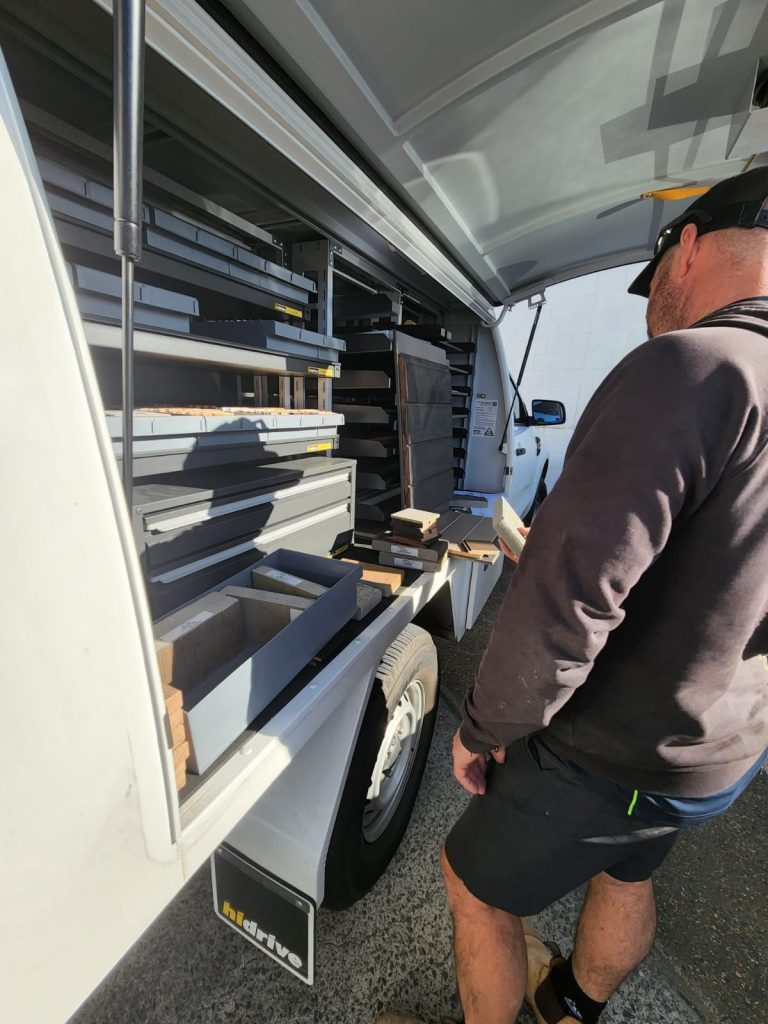
Both Cera Facade and Viroc are available to sample, with full documentation and support from the Modinex team. Whether you’re working through a compliant exterior specification or developing an interior material palette, it’s worth seeing the products in person before committing.
Request a sample, download specifications, or get in touch with our team to talk through your project.
FAQs
Is fibre cement cladding suitable for bushfire-prone areas?
Yes. Our Cera Facade holds a BAL40 rating for exterior use, making it one of the highest-performing cladding options available for sites with elevated bushfire risk. Viroc carries a BAL29 rating externally. Both products are free from combustible materials in their core construction.
How much maintenance does fibre cement cladding require?
Very little. Unlike timber, there’s no ongoing staining, sealing or recoating required to maintain the appearance of fibre cement. Periodic cleaning is generally all that’s needed to keep the surface looking its best.
Can fibre cement cladding be used for both interior and exterior applications?
Yes, both Cera Facade and Viroc are rated for interior and exterior use. Viroc in particular is well suited to interior feature walls, commercial fitouts and joinery applications where a concrete aesthetic is part of the design brief.
What's the difference between Viroc and standard fibre cement panels?
Standard fibre cement uses cellulose fibres as reinforcement. Viroc is a cement bonded particle board that uses pine wood particles, which gives it a more naturally variable surface character that closely replicates the look and feel of raw concrete.
Article By Joel Leitch | 11 November 2024

Joel Leitch
Project Consultant
Joel is an integral team member of NSW projects division with over a decade as a consultant to architects and builders. With extensive experience as a head of projects, Joel Leitch combines deep knowledge of natural timber, aluminium, and concrete to provide innovative and inspiring design solutions.
