 1800 156 455
Cyclones and Specification – Ensuring Your Material Stands Up to Severe Weather
Cyclones and Specification – Ensuring Your Material Stands Up to Severe Weather
In Australia’s diverse climate zones, selecting the right building materials can mean the difference between a structure that withstands severe weather events and one that sustains significant damage. This is particularly crucial when considering external cladding materials, which form the protective outer layer of a building. Let’s explore how to select appropriate cladding products based on your region’s cyclone risk and wind classification.
Understanding Tropical Cyclones
A tropical cyclone is an intense low-pressure weather system that forms over warm ocean waters in tropical regions.
These systems are characterised by strong winds that circulate around a calm centre (known as the eye), accompanied by heavy rainfall and storm surges.
In Australia, tropical cyclones are categorised on a scale of 1 to 5, with Category 5 being the most severe, capable of producing winds exceeding 280 km/h and causing widespread destruction.
Understanding Wind Classifications in Australia
The Australian Standard AS/NZS 1170.2 establishes wind classifications that help determine appropriate building requirements based on expected wind speeds in different regions. These classifications map directly to Australia’s designated wind regions:
Region B: Corresponds to classifications C1, C2 (shown in green on the map) – Lower cyclonic wind regions
Region C: Corresponds to classification C3 (shown in beige on the map) – Moderate cyclonic wind regions
Region D: Corresponds to classification C4 (shown in grey on the map, visible at Port Headland) – Severe cyclonic wind regions
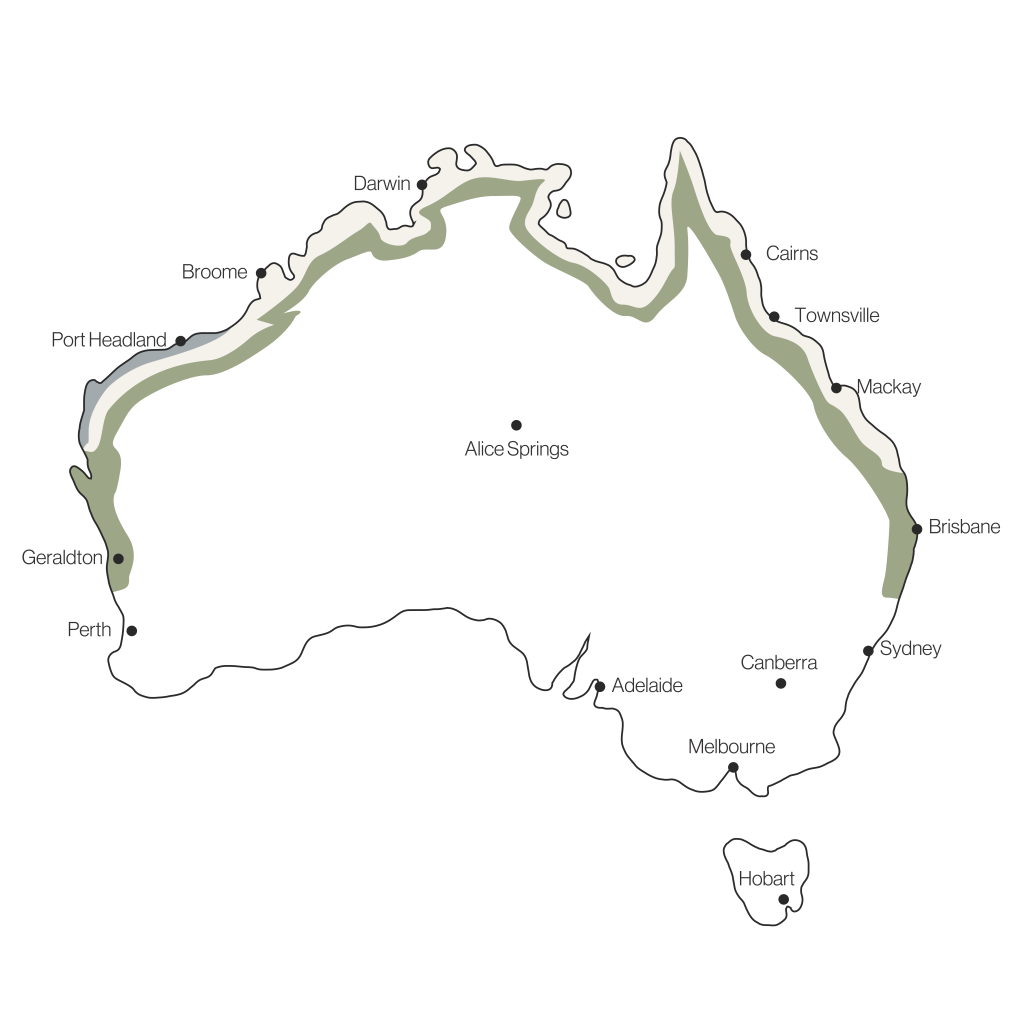
The map illustrates these wind classifications around Australia’s coastline, with the green band (C1, C2) running along much of the northern and western coasts, beige areas (C3) in coastal regions experiencing moderate cyclonic activity, and a small grey section (C4) at Port Headland representing the highest wind classification area.
These classifications are crucial for architects, builders, and homeowners when specifying appropriate materials and determining necessary installation methods. Higher classifications (particularly C3 and C4) require materials with superior wind resistance and specific fixing methods to ensure structural integrity during severe weather events.
Australian Wind Region Classifications Region B/C1-C2 (green), Region C/C3 (beige), Region D/C4 (grey)
Specifying Modinex Products for Different Wind Classifications Aluminium Solutions for C3 Regions
Aluminium cladding products like Alu Selekta and Alu Batten offer excellent durability and are suitable for most environments, including C3 cyclonic regions. The inherent strength-to-weight ratio of aluminium makes it an ideal specification for areas that experience strong winds but not the most extreme cyclonic conditions.
Key benefits for C3 regions:
– Lightweight yet structurally sound
– Resistant to corrosion, particularly important in coastal applications
– Minimal ongoing maintenance requirements
– Dimensional stability under varying weather conditions
Project Credits:
Architect: Woods Bagot
Developer: KTQ Group
Photographer: Cieran Murphy
Product: Alu Selekta Channel, White Oak finish
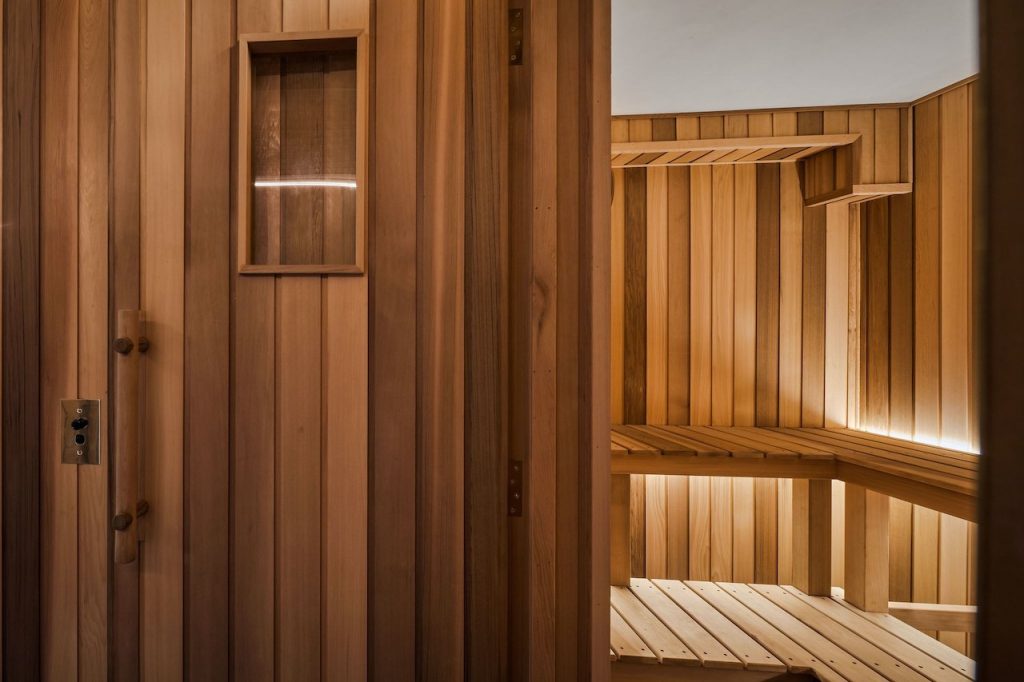
Blackbutt battens and panels are designed for architectural applications, but correct installation and care remain essential for optimal results.
Composite & Concrete Solutions for C4 Regions
For the most severe cyclonic regions (C4), composite materials and concrete cladding solutions provide superior performance. Viroc and Cera Façade have been specifically engineered to withstand extreme weather conditions, offering:
– Exceptional structural integrity under high wind loads
– Superior impact resistance against wind-borne debris
– Long-term durability even in harsh coastal environments
– Minimal degradation from salt spray and UV exposure
Composite materials with reinforced construction perform excellently in C4 regions, providing a balance of durability and design flexibility that architects and designers value.
Blackbutt offers good workability compared to many dense Australian hardwoods. Pre-drilling is recommended to reduce the risk of splitting and to ensure secure fixing.
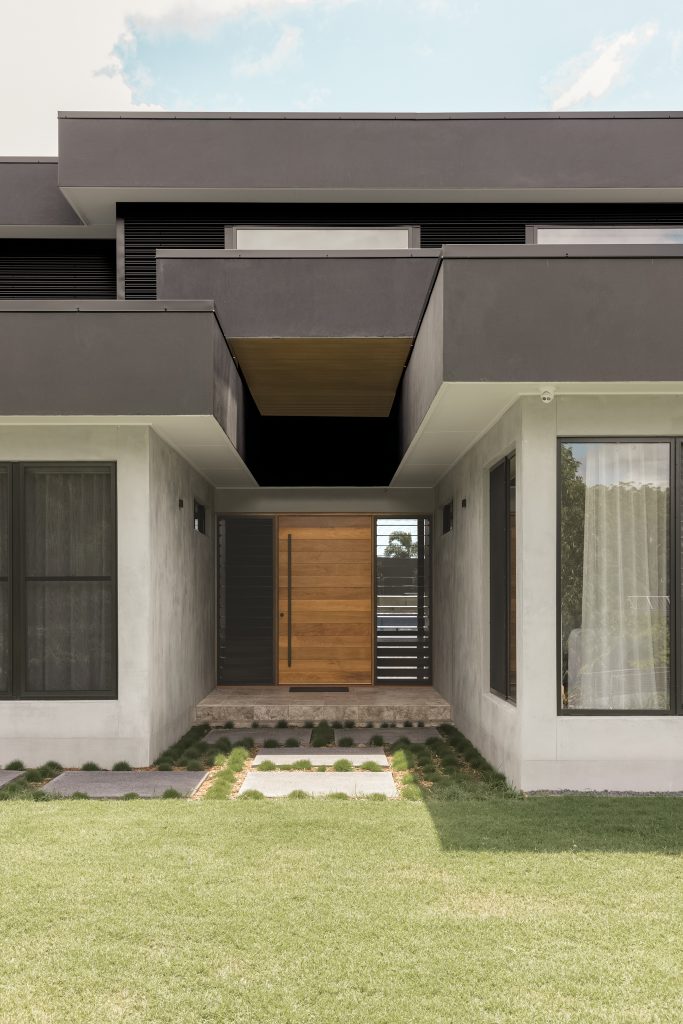
Project Credits:
Architect: Box Clever Interiors
Builder: Horley Homes
Photographer: Pixel Collective
Product: Viroc in Viroc Grey
Considerations for Timber Specifications
While natural timber products provide outstanding aesthetic appeal and biophilic design benefits, they require careful consideration in cyclone-prone areas. Timber cladding can be suitable in lower wind classification zones (C1-C2) when:– Properly treated and maintained with appropriate protective finishes
– Installed with cyclone-rated fixing systems and adequate support
– Protected from direct weather exposure where possible through thoughtful architectural detailing.
For regions with higher cyclonic risk, our timber grain aluminium range offers the aesthetic warmth of timber with enhanced durability against severe weather, giving architects the best of both worlds.
Best Practice Specification for Cyclone Resilience
When specifying cladding for cyclone-prone regions, consider these professional recommendations:
Consult wind classification maps specific to your project location before finalising material selections
Review fixing methods to ensure they meet or exceed requirements for the relevant wind classification
Consider material transitions where different exposures may require varying performance characteristics
Document specific installation requirements in your specifications to ensure contractor compliance
Conclusion
Specifying the right cladding material for your climate zone isn’t just about aesthetics – it’s about ensuring long-term structural integrity, safety and client satisfaction. In cyclone-prone regions of Australia, understanding wind classifications and material limitations is essential for responsible architectural and building practice.
Modinex offers a comprehensive range of cladding solutions suitable for various environmental conditions. From our aluminium range for moderate cyclonic regions to our high-performance concrete and composite materials for the most severe weather zones, we provide options that don’t compromise on style or substance.
When planning your next building project in a cyclone-affected region, consult with our specification specialists to ensure your selected materials meet both your design vision and the necessary performance requirements for your specific wind classification. Remember that proper installation is just as important as material selection – always work with qualified installers who understand cyclonic building requirements.
By making informed specification choices, you can create structures that not only look exceptional but also stand the test of time – and weather.
To discuss your specific project requirements or for more technical information about our cladding products for cyclone-prone regions, contact our specification team at hello@modinex.com.au
Article By Joel Leitch | 19 December 2025

Joel Leitch
Project Consultant
Joel is an integral team member of NSW projects division with over a decade as a consultant to architects and builders. With extensive experience as a head of projects, Joel Leitch combines deep knowledge of natural timber, aluminium, and concrete to provide innovative and inspiring design solutions.
